
Guide
Storm Windows: Energy, Cost, and Fit
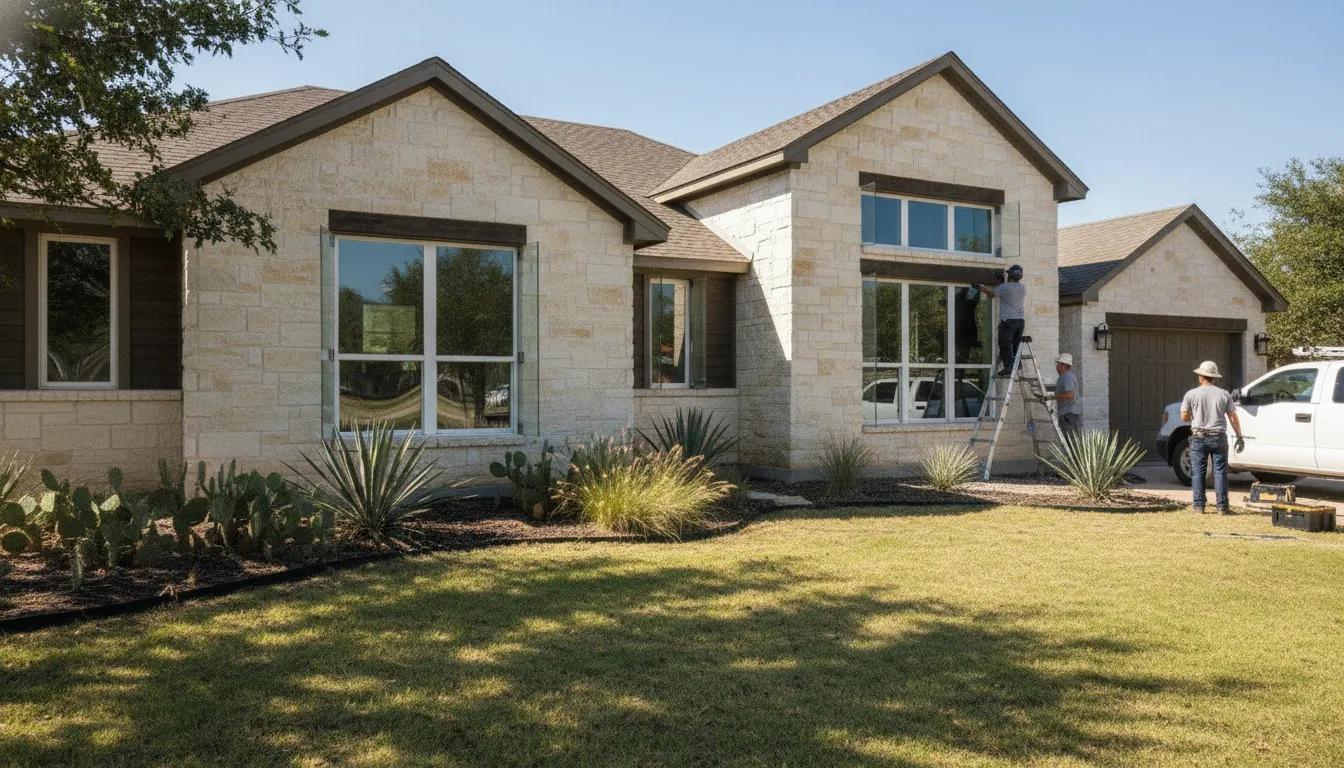
Older single-pane glass can make a Dallas-Fort Worth room feel hot by midafternoon and drafty on the first cold night. Storm windows add a second layer over the window you already have, instead of replacing the whole unit.
Yes. ENERGY STAR-certified storm windows can improve a sound single-pane window, especially with low-E glass and a tight air seal. The U.S. Environmental Protection Agency estimates about $350 a year in heating and cooling savings, roughly 10 percent, when low-E units go over single-pane clear glass with no existing storm. Actual results depend on climate, the home, and utility rates. A loose fit, a rotten frame, or a window that no longer operates well is a poor candidate.
Get a window consultation for your DFW home.
Exterior and Interior Storm Windows
The right storm window depends on how the existing window operates, where you want the extra barrier, and whether you can reach the outside. Exterior models sit outside the primary window. Interior models mount inside the opening or against the interior trim. Both can cut drafts. They solve different practical problems.
Exterior units protect the primary window
An exterior storm window mounts on the outside of the existing frame. That position adds a barrier against wind and weather and can shield the primary window. Operable single-pane units, including double-hung and single-hung windows, are the usual fit. If you still want to open the window, choose an exterior model with an operable sash.
A fixed exterior unit can seal more simply, but it does not open. Exterior work also needs accurate measuring and safe access. Upper floors and awkward openings are better left to a professional installer.
Interior units focus on air sealing
Interior storm windows mount to the interior frame or trim. Because the work happens inside, many homeowners can install them. A careful fit can cut drafts around older windows. The tradeoff is daily use. An interior panel can block the sash or the crank if you open that window often. Check whether the model is removable or operable before you order it for a bedroom or kitchen.
Match the frame and glass to the job
Frames are usually aluminum, vinyl, or wood. Aluminum is light and common. Vinyl needs less upkeep. Wood can suit an older home, but it needs more care. Glass stays clear and lasts. Plastic is lighter and more impact resistant. Pick the mix for the room, the look, and how often you will clean or open the window.
- Choose exterior for operable single-pane windows, weather protection, and ventilation.
- Choose interior for easier access, draft reduction, or hard-to-reach exteriors.
- Choose fixed when you want a simple barrier and do not need to open that window.
Confirm the existing window still closes and seals before you order. A storm unit cannot repair a deteriorated primary frame. On an older Dallas-Fort Worth home, that check decides whether a retrofit is even worth pricing.
Do Storm Windows Save Energy in Texas?
They can, mainly over older single-pane glass. In Dallas-Fort Worth, the product and the install matter more than the name on the box. ENERGY STAR says ENERGY STAR-certified storm windows can improve single-pane windows and, in some cases, approach the performance of an efficient replacement. A loose unit leaves much of that benefit unused.
Summer sun is the Texas-specific problem. West-facing glass can dump heat into a room all afternoon. Look for low-E glass and a solar heat gain rating suited to a warm climate. Low-E coatings reflect heat. The rating shows how much sun gets through. ENERGY STAR's storm window guidance explains why low-E glass cuts heat transfer versus clear glass, and why the climate map on the label matters.
That extra pane can make sunny rooms steadier in a long cooling season. It also adds an insulating layer for the occasional North Texas cold snap. Expect comfort near the glass to improve. Do not expect a guaranteed dollar amount on every bill. The EPA figure above is a national average, and it does not include extra savings from sealing air leaks, which vary by house.
When you compare products, start with these details:
- Low-E glass for a warm climate: Most useful on west-facing glass, where afternoon heat is the complaint.
- A real air seal: The product can meet a leakage standard and still fail if the installer leaves gaps.
- Thermal breaks over metal frames: ENERGY STAR warns that aluminum storms over metal primary frames can carry heat unless a non-metal separator breaks that path.
The extra pane can also quiet street noise and give the primary window some weather protection. It is not a fix for water intrusion or a failing sash. For how pane count changes comfort on its own, see double-pane versus single-pane windows. For the ratings that matter on a full replacement, read how solar heat gain works on Texas windows.
What Storm Windows Cost in 2026
In 2026, price follows the opening, not a single shelf tag. Size, frame, glazing, low-E performance, access, and the condition of the existing window all move the quote. A small fixed interior panel will not price like a large operable exterior unit. ENERGY STAR treats material, ratings, and installation as the main cost drivers. For a 2026 planning benchmark, Fixr's latest storm-window cost guide, updated August 29, 2025, reports a national installed range of about $1,505 to $2,737, with a $2,090 average. Local size, labor, access, and repairs can move a DFW project outside that range.
A local quote should measure each opening. The figures below are national planning ranges, not a DFW price.
HomeAdvisor's 2025 storm-window data, updated in June 2026, puts a typical unit at about $90 to $400. The same guide lists these product ranges:
- Fixed panels: about $90 to $200.
- Two-track units: about $150 to $350.
- Three-track units: about $300 to $400 or more.
- Aluminum frames: about $90 to $275.
Fixr's August 2025 guide puts material-only interior units near $100 to $300. Exterior units land near $100 to $400 before labor.
A retrofit leaves the primary window in place, so it usually costs less than replacing that same opening. Custom size, hard access, frame repairs, and low-E glass can close that gap. Compare the installed scope, not a frame price alone. For what a full replacement includes in this market, use the Texas window replacement cost guide.
| Frame | Relative cost | Upkeep | What affects performance |
|---|---|---|---|
| Aluminum | Often the lower-cost retrofit, about $90 to $275 in HomeAdvisor's frame range. Custom size, labor, and low-E glass raise it. | Simple, but check seals, fasteners, and weep holes. | Glazing and the air seal do the work. Low-E matters in DFW heat. |
| Vinyl | Usually mid-range. Size, profile, glass, and access set the number inside the broader $90 to $400 unit range. | Low maintenance. Keep tracks and seals clean. | Can perform well with suitable low-E glass and a tight fit. |
| Wood | Often higher, especially when matching an older or historic window, and it can sit at the top of that unit range. | Needs paint or finish and moisture care. | Performs when fitted and sealed, and it keeps the original look. |
Glass stays clearer for longer. Plastic is lighter and handles impact better. Low-E glass costs more than clear glass and is the feature most worth paying for on a west wall. Rebates, if any, come from your utility, not from a national promise. Ask the utility what is open this year. For a side-by-side of retrofit and replacement, start with SunSmart window and door services.
How Storm Windows Install Over Existing Windows
A retrofit works when the existing window has a sound mounting surface. The goal is a unit that fits, sheds water, lets the window work, and seals air. Bolting on another pane is not enough.
Interior units are the realistic DIY jobs because they mount to interior trim. Exterior units need outside access. Use a pro for upper floors, large openings, and odd frames. Walk the opening in this order:
- Measure twice. Follow the maker's width and height points. Windows that look alike are often different. A bad measure leaves gaps or a panel that will not operate.
- Pick interior or exterior. Interior panels mount inside and skip ladder work. Exterior panels sit outside and suit operable single-pane windows. Think about cleaning, egress, looks, and ventilation before you order.
- Mount it to sound material. Aluminum, vinyl, and wood need different care. On a large or odd opening, a pro protects both the new unit and the window underneath.
- Seal the air path. Follow the fastening instructions. A loose storm underperforms even with good glass. Seal the primary window too, or moisture can collect between the layers.
- Plan for water and air. Choose an operable sash if you need ventilation. Keep exterior weep holes clear so water drains instead of sitting between the two windows.
Condensation between the layers is a warning. It usually means the primary window is leaky or indoor humidity is high. Fix that before you call the retrofit done. Interior panels can be a careful DIY project. Exterior access, damage, or a performance-sensitive room deserves a pro.
If you are unsure the frame is worth keeping, compare the signs in window replacement versus repair and signs a window is not energy efficient.
Storm Windows or Full Replacement in DFW
The useful question is what you want the project to fix. Storm windows are a long-used retrofit, and they usually cost less than replacing the whole unit. For a sound older window, that lower cost can be the right first step.
They fit best when the primary windows are solid but drafty, single-pane, or worth keeping. A fitted second layer can cut heat transfer and shield original wood from weather. ENERGY STAR notes the biggest savings come over single-pane glass without low-E. Over clear double-pane glass, savings are smaller and payback takes longer. Read the storm window product page before you treat every opening the same.
When a retrofit is enough
Choose a retrofit when the frame and sash are sound, the opening can take a storm unit, and you want comfort without changing the look. That is a common fit for older homes whose original windows still operate. It can also bridge a few years while you plan a larger project. It does not repair rot, a failed sash, standing moisture, or a window that is unsafe to use.
When replacement is the better buy
In Texas, a modern replacement is often the stronger long-term fix once the existing units are deteriorated or cannot control air leaks and sun. A vinyl window with low-E glass can be specified for this climate, including glass that limits afternoon heat gain. Replacement also renews the frame, seals, and hardware instead of covering weaknesses that stay in place. For the spec side of that choice, see which window ratings handle Texas heat and what low-E glass does.
Replacement makes more sense when you want reliable operation, a matched look, and fewer compromises. SunSmart can walk through both paths. Homeowners in Tarrant County can start with Fort Worth window replacement. For budget ranges on a full project, use the Texas window replacement cost guide rather than a storm-window guess.
Schedule a window consultation.
Frequently Asked Questions
How much do storm windows cost in 2026?
There is no single local installed price. National 2025 data updated by HomeAdvisor in June 2026 puts a typical storm window at about $90 to $400, before custom size and repairs. Size, frame, glazing, low-E glass, and access all change the estimate. A retrofit is generally much less than replacing the whole window, according to ENERGY STAR. Ask for a quote that separates the panel, the glass, and the labor.
Are interior or exterior storm windows better in Texas?
Exterior units suit operable single-pane windows and can shield the primary window. Interior units are easier to install and can tighten air leaks. In DFW, low-E glass is the feature to check, because summer heat gain is the main complaint. Access, ventilation, and looks decide the rest.
Will storm windows lower my energy bills?
They can, especially over single-pane clear glass with a tight seal. The EPA estimates about $350 a year, roughly 10 percent, on a national average for ENERGY STAR-certified low-E storms in that situation. Replacing clear storms with low-E storms saves less, about $50 a year on that same average. Your bill depends on the climate, the house, and your rates.
Can I install storm windows myself?
Interior models are often a careful DIY job if you measure accurately and seal the fit. Exterior units, large openings, and hard access are safer with a professional. An installer can also tell you whether the frame is sound enough to keep.
How do I stop condensation between storm windows?
Moisture between the layers usually means the primary window is not sealed or indoor humidity is high. Seal the original window, confirm the storm seals, and lower indoor moisture before you assume the product failed. Keep exterior weep holes open so water can drain.
When should I replace the window instead?
Replace it when the frame is rotten, the sash will not operate, or the glass is damaged past a reasonable repair. ENERGY STAR says storm windows work best over primary windows that are still in good condition. If that is not your window, a certified replacement is the cleaner fix. How ENERGY STAR applies to Texas windows is the right next read.