
Guide
Solar Heat Gain Coefficient Windows Texas Guide
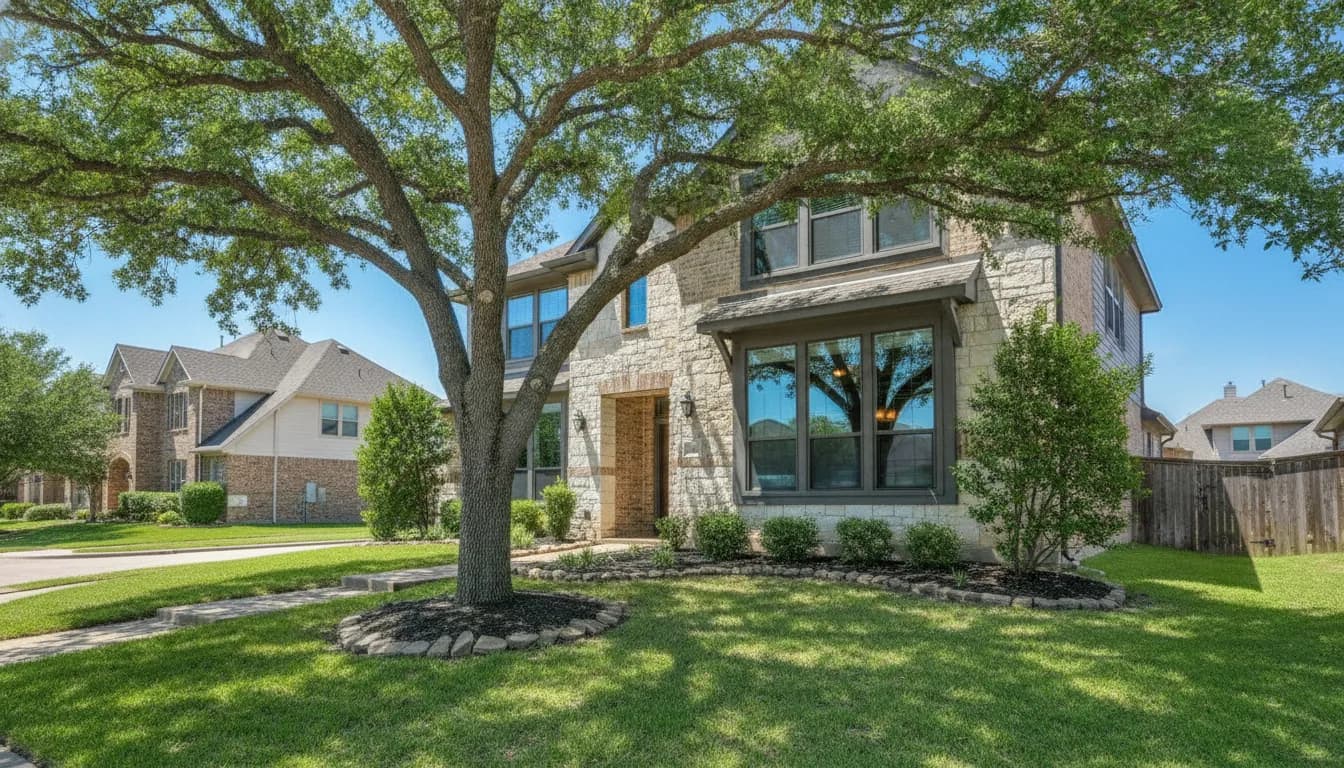
In a DFW summer, sunlight through a window can turn a comfortable room into the warmest part of the house. That makes the glass package and its performance ratings worth understanding before you compare replacement options. This focused guide complements SunSmart's energy-efficient windows and smart glass resource with a closer look at one rating: SHGC.
Talk with SunSmart about the right window performance options for your home.
For homeowners researching solar heat gain coefficient windows texas, SHGC is the fraction of solar radiation a window admits and releases as indoor heat. It is shown as a decimal from 0 to 1, so a lower number generally admits less solar heat, while a higher number admits more. The right choice depends on the window's direction, exterior shade, desired daylight, and the performance of the complete window system.
SHGC is only one part of an informed decision. U-factor describes non-solar heat transfer, while Low-E coatings, glazing layers, spacers, and installation also affect comfort and efficiency. The next step is to understand exactly what the SHGC number represents on a window label.
What Do Solar Heat Gain Coefficient Windows Texas Ratings Mean?
Solar Heat Gain Coefficient, usually shortened to SHGC, measures the fraction of solar radiation that enters through a window and is released as heat inside the home. It is one of the numbers used to describe window energy performance, especially when sunlight and indoor comfort are important concerns.
That makes SHGC particularly relevant for homes in Rockwall, Dallas, Fort Worth, and the wider DFW area. A sunny window can influence how warm a room feels, but the right rating depends on more than the fact that Texas has hot summers. Window orientation, exterior shade, glass design, and the rest of the window assembly all matter.
How the SHGC scale works
SHGC is generally shown as a decimal between 0 and 1. The number represents the share of available solar heat that can pass through the rated window. A lower number indicates less solar heat admission, while a higher number indicates more. Neither end of the scale is automatically best for every room or home.
- SHGC of 0: represents the least possible solar heat admission on the scale.
- SHGC of 1: represents the maximum solar heat admission on the scale.
- SHGC of 0.30: means that 30 percent of available solar heat can pass through the window.
The 0.30 example is a way to interpret the label, not a promise about the temperature of a room or a home's energy use. Actual conditions change with the amount of sunlight, season, shading, window placement, and indoor and outdoor temperatures.
Why the complete window assembly matters
SHGC generally describes the full window assembly, not just the center pane of glass. The rating can account for the combination of glazing, frame, and spacers between glazing panels. Window type and glass selection can therefore both affect the final number.
This distinction is useful when comparing replacement windows. A glass feature may sound promising on its own, but the published rating should be reviewed as part of the complete product. Installation quality also matters to how the finished window performs in the home, even though installation is not represented by changing the SHGC number on the label.
SHGC is one piece of the selection process. It helps describe solar heat, while other metrics address different aspects of performance. Reading the number in context leads to a more precise decision than choosing the lowest available rating by default.
Why SHGC Matters More Than U-Factor in Texas Heat
In a DFW summer, the sun can warm a room through the glass even when the air conditioner is working properly. That is why solar heat gain coefficient, or SHGC, deserves close attention when comparing windows for a Rockwall, Dallas, or Fort Worth home. SHGC measures solar heat entering through the window. U-factor measures a different pathway: non-solar heat conduction through the window assembly. ENERGY STAR window ratings use both measurements, so neither number tells the whole story by itself.
The distinction is practical. A low SHGC can limit unwanted sunlight-driven heat, while a low U-factor indicates less heat conduction. Since DFW has hot summers and meaningful cooling demand, solar control may have a larger day-to-day comfort impact than it would in a heating-dominated climate. Guidance for cooling-dominated southern regions identifies low-SHGC windows as especially beneficial, but that does not make the lowest available number automatically correct for every room or home.
| Rating | Measures | Lower value generally means |
|---|---|---|
| SHGC | Solar heat passing through the window. | Less solar heat enters. |
| U-factor | Non-solar heat conducted through the window. | Less heat conducts through the unit. |
There is a seasonal tradeoff. Lower SHGC can help keep interiors cooler during summer, but it also admits less solar warmth during colder months. The right balance depends on the room's orientation, exterior shade, desired natural light, and how the home is used. A heavily shaded north-facing opening may call for a different solar-control decision than an unshaded west-facing window exposed to late-afternoon sun.
Also look beyond the two headline numbers. Low-E coatings can reflect solar heat and reduce interior hot spots while preserving natural light. Double-pane glass, argon, sealing, insulation, and precise installation all contribute to the performance of the complete window system. For an authoritative overview, review the ENERGY STAR residential windows, doors, and skylights criteria. Then compare options based on the conditions around each opening.
How Should You Compare Solar Heat Gain Coefficient Windows Texas Options?
There isn't one universally best SHGC for every Texas window. The right choice depends on how much sun reaches a specific opening and how the room is used. It also depends on how the complete window system balances solar control with daylight, insulation, and installation quality.
Start with orientation and shading
Window direction is a practical starting point. A large, unshaded opening that receives strong afternoon sun may benefit from more solar control than a smaller window protected by a roof overhang or mature trees. East-facing glass can receive low morning sun, while west-facing glass often faces intense late-day exposure. South-facing windows require a closer look at seasonal sun angles and any exterior shade. These conditions can vary from one room to the next, even within the same Rockwall, Dallas, Fort Worth, or wider DFW home.
Shading should be considered alongside the glass rating. Exterior overhangs, covered porches, landscaping, blinds, and other obstructions change the amount of sunlight that actually reaches the window. Instead of choosing a rating from a generic Texas recommendation, evaluate each opening's exposure and the comfort problem you are trying to solve.
Balance solar control with daylight
A lower SHGC generally admits less solar heat, which can be useful during long, hot cooling seasons. However, choosing the lowest available number everywhere may not match your priorities. Some homeowners want strong solar control in a sun-baked living room but still want comfortable natural light and a welcoming view. Low-E coatings can reflect solar heat, reduce interior hot spots, and preserve natural light, so the glass package deserves attention rather than relying on SHGC alone. For more context, review these Low-E glass and SHGC basics.
Use Texas guidance as a starting point, not a promise
One Texas-focused guide cites an SHGC of 0.25 or below for most Texas windows. That is attributed guidance, not a universal SunSmart requirement, code guarantee, or assurance that the same rating is appropriate for every opening. Climate-zone criteria and project conditions matter, so confirm current requirements for the specific home and location rather than treating a single number as a substitute for evaluation.
Finally, remember that SHGC describes more than the pane in isolation. The frame, spacers, glazing, double-pane construction, argon, insulation, professional sealing, and precise installation all contribute to the window system's performance. Compare the full product information and installation plan before ordering. A careful assessment of orientation, shading, visible light, climate, and the complete assembly will produce a more useful decision than chasing one supposedly ideal rating.
How Low-E Coatings and Window Tint Affect Solar Heat
Low-E glass and window tint can both enter the conversation when a Texas homeowner wants to manage intense sunlight, but they are not interchangeable terms. A Low-E coating is part of a specified glazing package. It is designed to reflect solar heat while helping preserve natural light and reduce uncomfortable hot spots near the glass. You can review the fundamentals in Low-E glass and SHGC basics, then connect that discussion to SunSmart's broader energy-efficient windows and smart glass guide.
That distinction matters when comparing solar heat gain coefficient windows Texas options. The SHGC shown for a window applies to the tested product assembly, rather than describing an isolated piece of film in the abstract. The appropriate choice depends on more than whether the glass looks darker. Window orientation, exterior shading, visible-light priorities, and the complete construction all influence how a package should perform in a particular room.
Low-E glass is one part of a complete package
In a replacement window, Low-E is commonly considered alongside double-pane glass and an insulating gas fill such as argon. Double-pane construction reduces heat transfer between the indoors and outdoors, while argon is often used between the panes to support insulation. These components should be evaluated together rather than treated as separate upgrades that guarantee the same result in every home.
The surrounding frame and installation matter as well. Professional sealing, insulation, and precise installation help the window function as part of the home's envelope. A strong glass specification cannot compensate for gaps, poor fit, or overlooked conditions around the opening. This is particularly relevant in Rockwall, Dallas, Fort Worth, and the wider DFW area, where homeowners are balancing summer comfort with the needs of an existing home.
Where generic tint fits
Generic window tint usually refers to an applied film or aftermarket treatment. It may change the appearance and light transmission of existing glass. However, it should not automatically be described as equivalent to a factory-specified Low-E package or assigned the same SHGC as a rated replacement window. Ask what product is being proposed, which performance values are documented, and whether the figures describe the complete window assembly.
A careful comparison looks at the glass, frame, spacers, and installation plan together. That approach makes the decision more useful than choosing by color or by a standalone tint claim. It also gives you a clearer basis for discussing comfort, daylight, and solar control before ordering.
How to Read the SHGC Number on a Window Label
A window label can look crowded, but the energy-performance fields answer different questions. Use this process to compare products without treating one number as the complete story.
Find the NFRC performance label
Look for the rating label attached to the window, package, or product documentation. An NFRC-certified label identifies performance information for the tested window assembly, rather than describing the glass alone. That distinction matters because the rating generally accounts for the glazing, frame, and spacers together.
Locate the SHGC field
Find the line labeled "Solar Heat Gain Coefficient" or "SHGC." The rating is usually shown as a decimal on a scale from 0 to 1. In practical terms, a lower number indicates that less available solar heat is admitted through the window, while a higher number indicates more solar heat enters. Do not read the number as a promised indoor temperature or utility-bill result. Orientation, exterior shade, glass selection, and installation also affect the experience inside a home.
Read U-factor separately
U-factor measures how readily the window conducts heat, including heat that is not coming from direct sunlight. Lower U-factor generally means less heat conduction through the unit. SHGC and U-factor work together, but they are not interchangeable: SHGC addresses solar heat, while U-factor addresses heat conduction through the window.
Review the supporting fields
Depending on the label, you may also see air leakage, visible transmittance, and condensation resistance. Air leakage relates to how much air passes through the window assembly. Visible transmittance helps describe how much daylight the glazing allows through. Condensation resistance provides another performance reference. Consider these fields alongside the SHGC and U-factor instead of selecting a product from one rating in isolation.
Check the ENERGY STAR qualification
ENERGY STAR window ratings use U-factor and SHGC. Qualifying products must meet program thresholds verified through NFRC. You can review the current residential windows, doors, and skylights criteria on ENERGY STAR's official product requirements page. ENERGY STAR is a useful screening reference, but the right selection for a Rockwall. Dallas, or Fort Worth home still depends on the property and the complete window system.
When comparing labels for a Texas replacement project, save the product documentation. Ask how the listed ratings fit the room's sun exposure, shading, comfort goals, and installation plan. That creates a more useful comparison than searching for a single universally best number.
Questions to Ask Before Ordering Texas Replacement Windows
A window decision should begin with the room, the home, and the way sunlight moves across the property, not with a single number on a product sheet. Before ordering replacement windows in Rockwall, Dallas, Fort Worth, or another DFW community, ask the installer to connect each recommendation to your home's conditions.
How much direct sun reaches each opening?
Ask whether the window faces east, west, south, or north, and whether nearby trees, roof overhangs, porches, or neighboring buildings provide shade. A west-facing room may experience intense afternoon sun, while a shaded elevation may have different priorities. Orientation and shading help determine how much solar heat control makes sense. They also affect how important visible light is in the final glass package.
What do the SHGC and U-factor mean for this room?
Ask the installer to explain both ratings together. The Solar Heat Gain Coefficient, or SHGC, describes the fraction of solar radiation admitted through the window and released as heat indoors. U-factor describes how readily the window conducts heat between indoors and outdoors. In a Texas home, a lower SHGC may be useful where cooling demand and direct sun are major concerns, but lower is not automatically best for every opening. The right choice depends on exposure, shade, comfort goals, daylight preferences, and the complete window assembly.
Ask to see the actual performance label for the proposed product rather than relying on a broad statement such as "energy efficient." NFRC-style labels can show SHGC. U-factor, visible transmittance, air leakage, and condensation resistance. Those details make it easier to compare options consistently. ENERGY STAR explains that its window ratings are based on U-factor and SHGC, with products verified through NFRC testing and qualification requirements.
What is included in the glass package?
Ask whether the recommendation includes double-pane glass, a Low-E coating, and an argon gas fill, and ask what each component is intended to do. Double-pane construction and argon can support insulation, while Low-E coatings can help manage solar heat and interior hot spots without treating all daylight as a problem. If glare, fading, or bright afternoon rooms concern you, ask how the selected glass balances solar control with visible light. You can also review Low-E glass and SHGC basics before comparing packages.
How will the opening be sealed and documented?
Ask how the existing opening will be prepared, how the replacement will be sealed and insulated, and how installation quality will be checked. The label describes a tested window assembly, but the installed result also depends on fit, sealing, insulation, and workmanship. Request the product specifications, NFRC label information, glass-package details, and written installation scope before ordering. A clear record helps you compare the complete system rather than choosing by appearance alone.
For a project-specific review, SunSmart can walk through the glass, frame, and installation questions that apply to your home through energy-efficient window replacement.
Request no-pressure guidance on SHGC, Low-E glass, and replacement windows.
Frequently Asked Questions
What is a good solar heat gain coefficient for a Texas home?
There is no single best value for every Texas home. Lower SHGC usually helps limit unwanted solar heat in cooling-dominated DFW, but orientation, exterior shade, window size, visible light, and winter comfort also matter. Treat a cited value of 0.25 or below as guidance to discuss, not a universal requirement or guarantee.
Does a lower SHGC always mean a more efficient window?
No. A lower SHGC can reduce solar heat entering a sunny room, while a higher value may allow useful winter warmth in some settings. Compare SHGC with U-factor, which measures non-solar heat conduction, and evaluate the complete window assembly rather than choosing one number in isolation.
Where can I find SHGC on a window label?
Look for the NFRC performance label and find the field marked SHGC, usually shown as a decimal between 0 and 1. The same label may also list U-factor, air leakage, visible transmittance, and condensation resistance. ENERGY STAR ratings are based on U-factor and SHGC, and qualifying products are verified by NFRC. ENERGY STAR window guidance.
Should I compare SHGC for the glass or the whole window?
Compare the rated window unit whenever possible. SHGC generally describes the complete assembly, including glazing, frame, and spacers. Ask how the glass package, frame, seals, shading, and installation work together, because a label number alone does not describe every comfort or durability factor.
Get Started With Window Guidance for Your DFW Home
Choosing SHGC is easier when the glass package, window orientation, shading, and installation plan are considered together. SunSmart can help you turn the label details into a practical replacement plan for a home in Rockwall, Dallas, Fort Worth, or the wider DFW area, without pressure.