
Guide
What Is Low-E Glass for Windows? Texas Guide
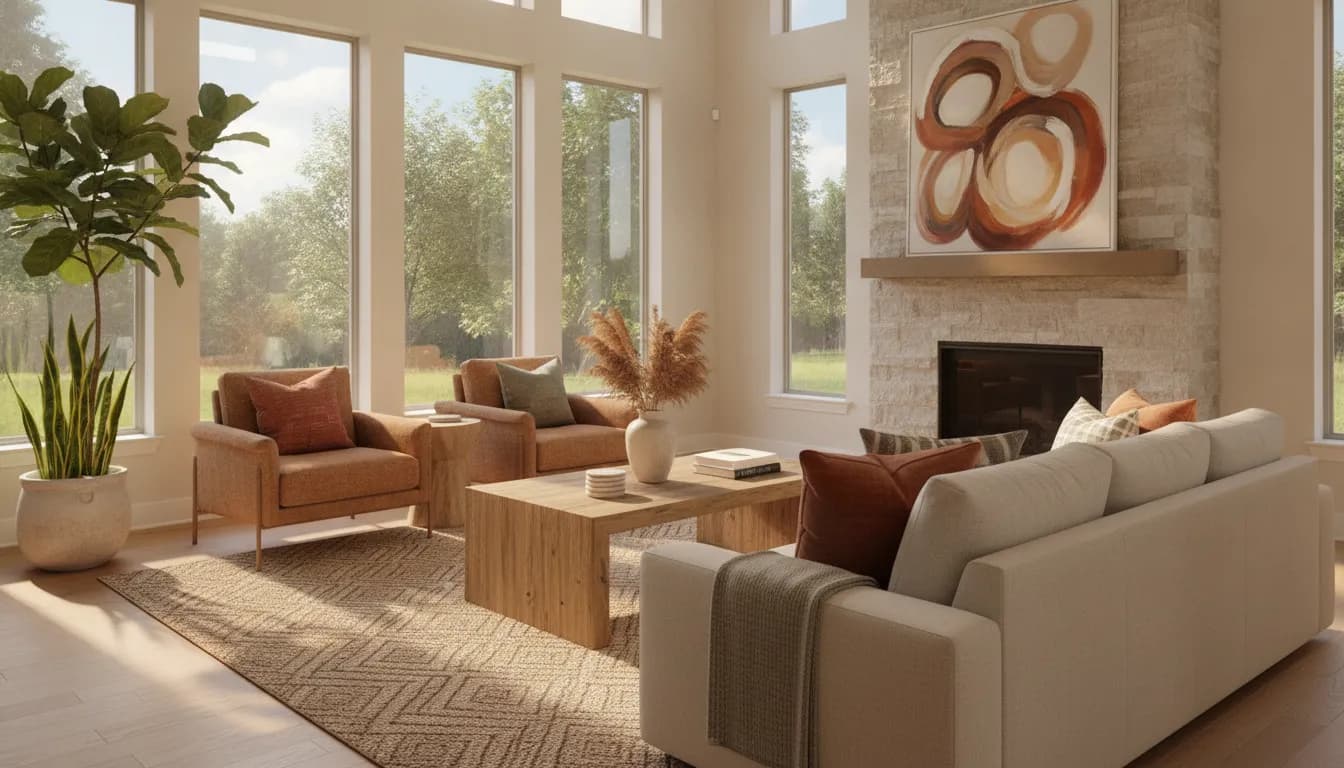
Texas sunlight can make one room feel noticeably warmer than the rest of the house, especially when older or clear-glass windows face strong afternoon sun. The glass may look perfectly ordinary, yet it can still admit radiant heat, contribute to glare, and expose furnishings to ultraviolet light.
What is low-e glass for windows? It is glass treated with a nearly invisible, microscopically thin coating that changes how radiant heat moves through the window. Low-E can reflect unwanted solar heat while allowing visible light into the home, helping support more consistent comfort in Texas and DFW rooms.
That does not mean a coating works alone or guarantees a specific reduction in cooling costs. The result depends on the complete window system, including the number of panes, gas fill, frame, seals, orientation, shading, and installation quality. For a homeowner in Rockwall, Dallas, Fort Worth, or the wider DFW area, the practical question is whether the glass package addresses a specific problem. That might be a hot room, fading concerns, glare, drafts, or an aging window that performs poorly during extreme weather. Learning how emissivity works makes those choices easier to evaluate, and SunSmart's energy-efficient windows and doors provide a useful starting point.
Contact SunSmart for an educational, no-pressure window discussion.
What Is Low-E Glass for Windows? Start With the Coating
Low-E means low emissivity. In a window, it describes a nearly invisible, transparent metallic coating applied to a glass surface. The coating is thinner than a human hair, yet it changes how the glass manages radiant heat. In simple terms, Low-E glass is designed to reflect some heat energy instead of allowing the glass to radiate it freely through the window.
What emissivity means
Emissivity describes how readily a surface radiates heat. It is expressed as a value between 0 and 1, with lower values indicating less heat radiation. Ordinary clear glass has an emissivity of approximately 0.84. Some high-performance Low-E glass can reduce emissivity to approximately 0.02. Those figures describe the glass surface's behavior, not a guarantee of how an entire window or home will perform. Vitro Glass explains emissivity and Low-E coatings in more detail.
How Low-E manages radiant energy
Radiant energy is heat that travels as infrared energy. Low-E coated windows can reflect long-wave infrared energy from heated surfaces and heating systems rather than readily radiating that energy through the glass. Sunlight can also warm interior surfaces, making this distinction especially relevant in a bright room.
That does not mean Low-E glass is a mirror or that it blocks ordinary daylight. High-performance window glass can reflect radiant energy while allowing visible light to pass through. This is why a window can help moderate unwanted heat without turning a room completely dark. The U.S. Department of Energy's building science guidance describes this difference between radiant energy and visible light.
The coating is one part of the window
Low-E is a glass feature, not the entire window system. The final result also depends on the number and arrangement of panes, the frame, seals, spacers, the window's orientation, available shading, and the quality of measurement and installation. A Low-E coating can influence radiant heat transfer, but it cannot correct every weakness in an aging frame or a poorly sealed opening.
For homeowners in Rockwall, Dallas, Fort Worth, and the wider DFW area, that distinction matters. Choosing a window is not simply a matter of asking whether it has Low-E. A useful discussion considers how the complete glass package and installation will address the home's actual comfort and sunlight conditions.
How Low-E Coatings Help Control Texas Heat and UV
In a Texas home, sunlight can make one room feel noticeably warmer than the rest, especially near large or west-facing windows. Clear glass absorbs solar heat and can transfer it indoors, contributing to overheated rooms and greater cooling demand. A Low-E coating changes how the glass handles that radiant energy. It reflects a significant portion of solar heat while allowing visible light to pass through, helping a room stay bright without taking on as much unwanted warmth. (U.S. Department of Energy Building Science Education; manufacturer glass guidance)
That distinction matters in Rockwall, Dallas, Fort Worth, and the wider DFW area. The goal is not simply to make a window dark. The right glass package can reduce hot spots around sunny windows while preserving useful daylight. SunSmart describes Low-E coatings as a way to reflect solar heat and improve thermal efficiency.
The company also notes that Low-E can reduce interior hot spots without sacrificing natural light. See SunSmart's window guidance for more context.
Heat control without giving up daylight
Daylight still matters in a comfortable home.
Exterior shades, interior blinds, and curtains can limit solar heat, but they may block the daylight homeowners want. Low-E glass works at the pane, so the window can continue admitting visible light while managing more of the sun's radiant heat. That can help in living rooms, home offices, and bedrooms that feel uncomfortable during bright afternoons. The exact result depends on glass design, window orientation, surrounding shading, frame, seals, and installation. The coating is one part of the system, not a stand-alone guarantee of an indoor temperature or utility bill.
UV exposure and fading protection
Sunlight can gradually damage curtains, rugs, furniture, artwork, and hardwood floors. The National Fenestration Rating Council consumer guidance states that Low-E coatings can reduce damage to interior surfaces from UV light.
High-performance window guidance also identifies reduced fading of curtains, furniture, and hardwood floors as a benefit (NFRC consumer guide; Building Science Education).
Low-E does not make interiors completely immune to fading. Exposure varies with the item, glazing, orientation, shading, and time. Sensitive furnishings may still need curtains, shades, or strategic placement.
- Helps manage solar heat entering through sun-exposed glass.
- Can reduce uncomfortable hot spots near bright windows.
- Allows visible light to remain while reflecting radiant heat.
- Can help reduce UV-related fading of interior furnishings.
For context, the NFRC consumer guide says Low-E coatings can reduce energy loss associated with windows by as much as 40%. That is an NFRC claim, not a guaranteed result for every Texas home. Actual performance depends on the complete window assembly and the home's conditions, including orientation, shading, air leakage, and installation quality.
Soft-Coat vs. Hard-Coat Low-E Glass: What Is the Difference?
Soft-coat and hard-coat Low-E are two ways manufacturers apply a low-emissivity coating to glass. Both are intended to improve thermal insulation and energy efficiency, but they differ in how the coating is made. How it is protected, and how it manages heat and sunlight. The better fit depends on the complete glass package and the Texas application, not on the coating label alone.
| Consideration | Soft-coat Low-E | Hard-coat Low-E |
|---|---|---|
| How it is applied | Applied in a controlled environment, commonly through a sputter-coating process. | Fused to the glass during manufacturing. |
| Typical performance profile | Often provides stronger heat-transfer performance and very low emissivity. | Improves thermal insulation, with a somewhat different emissivity and solar-control profile. |
| Durability and placement | Commonly sealed inside an insulating glass unit, where the coating is protected between panes. | Known for greater durability because the coating is fused to the glass. |
| Best selection question | Would stronger heat-transfer and solar-control performance suit the window design and exposure? | Would a durable fused coating suit the design, use, and performance priorities? |
In a Rockwall, Dallas, Fort Worth, or wider DFW home, the decision should account for the window's direction, summer sun exposure, desired daylight, and the room's comfort concerns. A west-facing room may call for a different solar-control approach than a shaded opening. The number of panes, gas fill, frame, and installation also influence the finished result. Soft-coat Low-E is commonly sealed into an insulating glass unit. While hard-coat Low-E offers a durable fused surface, but neither description is a substitute for reviewing the full package.
Practical takeaway: ask which coat is being proposed, then ask how it works with the panes, gas fill, frame, and orientation of each opening. Comparing the complete system helps you choose glass that fits the Texas application instead of treating soft-coat or hard-coat as an automatic winner.
Sources: soft- and hard-coat performance overview and Low-E glass manufacturing and insulation overview.
How Low-E Works With Double-Pane Glass and Argon
Low-E is one part of a window's performance, not a substitute for insulation. The coating manages radiant heat at the glass surface, while the rest of the window system controls conduction. Air movement, and heat transfer through the space around the glass. When these components are designed to work together, the result can be more consistent indoor comfort than a coating alone can provide.
High-performance windows may use two or three panes separated by insulating spacers. The space between the panes can be filled with argon or krypton, gases that insulate better than air. Low-E coatings, multiple panes, and gas fills address different parts of the same problem. The coating helps manage radiant energy. The panes and sealed space add insulation. Together, they can improve the window's overall thermal performance. The U.S. Department of Energy explains how these components work together.
Why spacers, frames, and seals matter
Insulating glass depends on a stable space between the panes. The spacer helps maintain that separation, and the seal helps keep the gas fill in place. A frame also creates part of the thermal boundary. Insulated frames made from materials such as vinyl, fiberglass, or wood can complement the glass package. But a strong glass specification cannot compensate for poor fit or air leakage around the opening.
Fogging or condensation between panes deserves attention. It can indicate a failed seal, which may reduce the effectiveness of both the Low-E coating and the insulating gas. This is different from condensation on the room-side surface, which can have other causes. If the view between panes looks persistently hazy, have the unit evaluated rather than assuming the coating is still performing as intended. A Low-E glass guide describes fogging between panes as a possible failed-seal symptom.
Orientation, shading, and installation complete the picture
A window facing strong afternoon sun has a different design challenge from one protected by a porch or mature shade. Exterior shading can reduce solar heat, although interior shades may also reduce daylight. The glass selection, pane configuration, frame, and installation should be considered together with the window's orientation and the room's comfort problems. Precise measurement, airtight sealing, caulking, and insulation placement are part of SunSmart's stated residential installation approach. SunSmart describes its double-pane and installation offering.
- Confirm whether the unit is double-pane or triple-pane.
- Ask whether the glass package includes Low-E and argon or krypton.
- Review the spacer and frame design, not just the coating name.
- Consider sun direction, exterior shade, glare, and the room's hottest times.
- Inspect for drafts, visible gaps, and fogging between panes.
- Verify measurement, sealing, caulking, and insulation details before installation.
Is Low-E Glass Worth It for DFW Homeowners?
For many DFW homeowners, Low-E glass is worth considering when the goal is more consistent indoor comfort, better control of solar heat, and protection for furnishings. The strongest case usually comes from the condition of the existing windows and the way sunlight reaches each room, rather than from the coating alone.
Start with the symptoms in your home
Low-E may be part of a sensible replacement plan if you notice rooms that become uncomfortably hot in the afternoon. Persistent glare, drafts near the glass, or clear temperature differences from one side of the room to another. Older single-pane windows are especially limited because they typically lack coatings designed to block summer solar heat. ENERGY STAR notes that old, drafty, poorly made, or degraded windows can waste energy and reduce comfort during extreme weather. While single-pane windows are poor insulators and commonly allow more summer heat into the home.
Low-E coatings can help reflect radiant heat while allowing visible light through. That can make a sunny room feel more usable without simply covering the glass with a shade. Shading still has an important role, especially on strongly exposed elevations, but exterior or interior shades can reduce daylight along with solar heat. Low-E is therefore useful when you want to balance brightness, glare, and comfort.
Evaluate the whole window, not just the coating
A Low-E coating cannot compensate for every weakness in a window. The result also depends on the number of panes, glass package, frame material, spacer, seals, orientation, shading, and installation quality. A window facing intense afternoon sun may call for a different solar-control approach than one under deep shade. A frame with poor fit or a failed seal can continue to create drafts or fogging even when the glass includes Low-E.
When comparing options, look for performance information on the National Fenestration Rating Council label. The coating itself is nearly invisible, so the label or manufacturer documentation is more reliable than a visual inspection. ENERGY STAR performance criteria also vary by climate, which makes climate-appropriate ratings more meaningful for homes in Rockwall, Dallas, Fort Worth, and the wider DFW area.
When the upgrade makes practical sense
Low-E is most compelling when you are already replacing failing windows, improving a room with hot spots, or addressing drafts and uneven comfort. It is also worth discussing when fading concerns affect curtains, furniture, or flooring near bright windows. A properly planned system can combine energy-efficient glass with suitable frames, careful measurement, airtight sealing, and professional installation. SunSmart offers window installation services for homeowners evaluating those connected decisions, and Dallas homeowners can review Dallas window replacement options with the local climate in mind.
The right answer should come from the home's symptoms, sun exposure, existing window condition, and the proposed glass package. A clear comparison of those factors is more useful than assuming every Low-E product performs identically.
Contact SunSmart for a clear, no-pressure Low-E window recommendation for your DFW home.
Frequently Asked Questions
Do Low-E windows block natural light?
No. Low-E coatings are designed to reflect unwanted radiant heat while allowing visible light to pass through. So a room can remain bright without taking on as much solar heat. The final balance of light, glare, and heat also depends on the glass selection, window orientation, and shading. The U.S. Department of Energy explains this relationship.
Are Low-E windows worth the extra cost?
They can be a strong value when hot rooms, uncomfortable glass, fading furnishings, or cooling demands are part of the problem. Rather than judging the coating alone, compare the complete window system, including panes, frame, seals, orientation, and installation. ENERGY STAR criteria also vary by climate, so DFW homeowners should review the applicable performance ratings instead of relying on a generic promise.
How do I tell if I have Low-E glass windows?
Look for an NFRC label or manufacturer marking, and inspect the edge between panes for etched or stamped information. Because the coating is nearly invisible, a visual inspection is not conclusive. A window professional can review the glass and performance documentation without guessing based on appearance.
Can you add Low-E coating to existing windows?
Low-E film may sometimes be applied to existing glass, but it is not the same as replacing the pane with factory-applied Low-E glass. Compatibility, film quality, glass condition, seals, and the existing frame all matter. Have the window evaluated first, especially if there is fogging between panes or another sign of seal failure.
Do Low-E windows help with noise reduction?
Not by themselves. The Low-E coating controls heat transfer, while sound performance depends more on factors such as pane configuration, glass thickness, air spaces, frame construction, and installation. A multi-pane window that includes Low-E glass may help create a quieter room, but the coating should not be presented as a standalone soundproofing feature.
Contact Us About a Low-E Window Upgrade
The right Low-E window choice depends on your home's comfort goals, sunlight exposure, and the performance of the complete window system. A thoughtful conversation can help you understand which options may fit your Rockwall, Dallas, Fort Worth, or wider DFW home without pressure. Contact SunSmart to discuss your questions and explore an educational next step.