
Guide
Repair or Replace: White Vs Beige Vinyl Windows
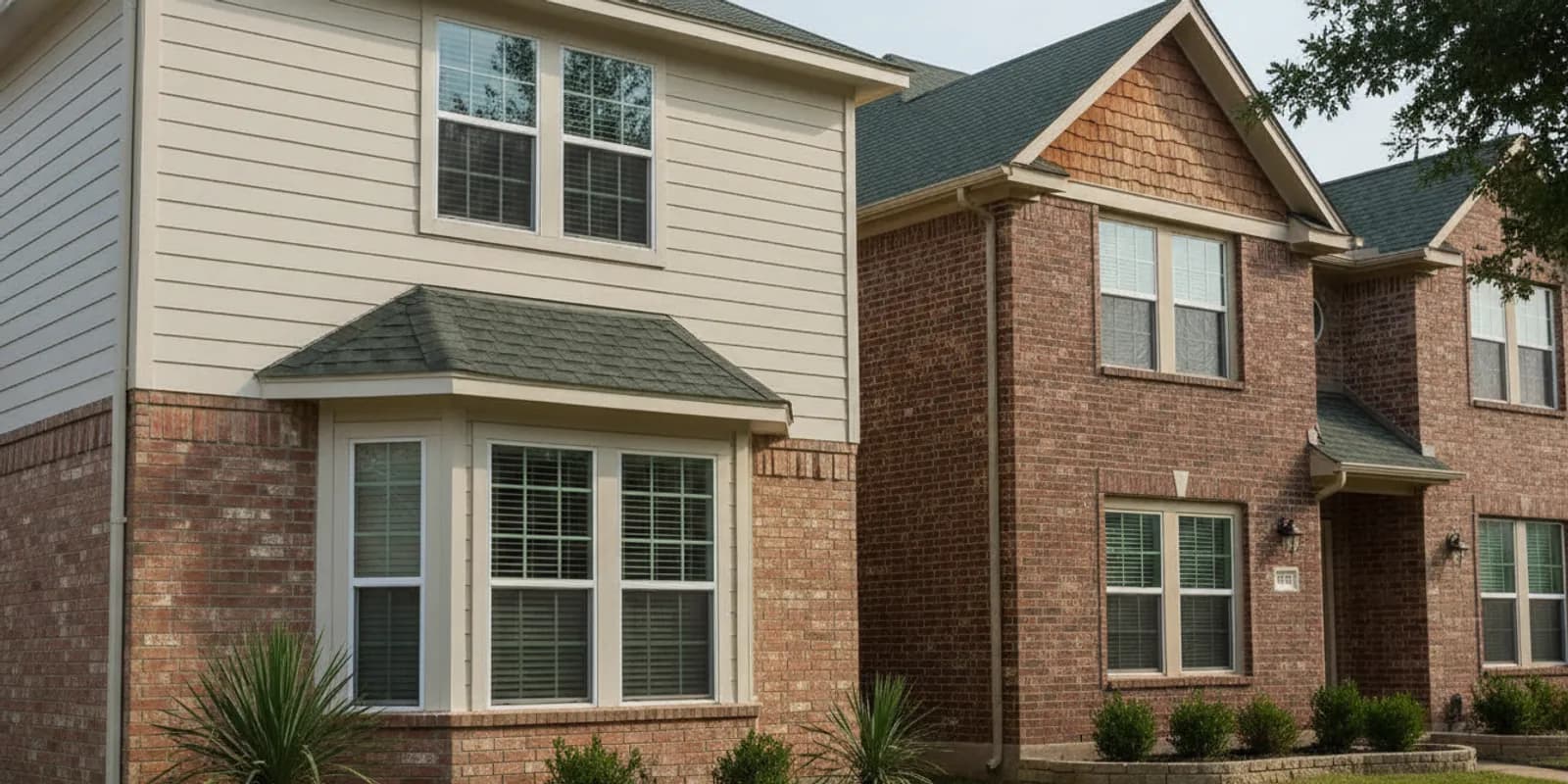
Choosing between white vs beige vinyl windows is mostly a decision about the look you want and how the frames fit your home—not a shortcut to judging the window’s overall performance. Before you replace anything, decide whether the existing windows need repair, then compare the proposed color with your exterior, interior trim, glass, and installation plan.
Talk through your window options
What is the practical difference between white and beige vinyl windows?
White creates a crisp, high-contrast outline. It often works well when a home already has white trim, light siding, or a clean, bright palette. Beige gives the frame a warmer, softer appearance. It can blend more quietly with tan, cream, brown, or warm brick colors.
Those are visual tendencies, not rules. A white frame can look striking on a darker exterior, while beige can add contrast to a light façade. The right choice depends on the home’s fixed colors, the amount of visible frame, and the view from both inside and outside.
Color alone does not tell you how well a window insulates, blocks solar heat, reduces sound, or handles water. Those outcomes depend on the complete product and how it is installed. Compare the glass and frame specifications, operating style, sizing, and installation scope alongside the finish. SunSmart’s guide to Low-E glass and argon explains two features homeowners may see in window proposals.
Should you repair the existing windows or replace them?
It is easy to focus on color when a project starts with wanting a different look. But a finish change is not, by itself, proof that a window needs replacement. First identify what is wrong with the current unit and whether the issue is limited to a repairable component.
Check whether the sash opens and closes smoothly, whether locks engage, and whether you can see damaged or deteriorated parts. Look for drafts, water entry, damaged frame areas, or condensation between panes. Condensation on the room-side glass can have different causes than moisture trapped between panes, so note where and when it appears rather than assuming the cause. A qualified assessment can help distinguish a repair from a replacement need.
Repair may be worth exploring when the problem is limited, the frame is sound, and the existing look still suits the home. Replacement may be a better fit when several parts are failing, the frame is damaged, operation is unreliable, or you want to change the opening’s style or finish as part of a broader project. The decision should reflect condition and goals, not a color trend.
For a more detailed decision framework, see SunSmart’s guide to window replacement versus repair and its overview of window frame rot. If the windows are staying, changing interior décor or exterior trim may be enough to address a color mismatch.
How do white and beige frames change a home’s appearance?
Think of the frame as part of the home’s permanent color scheme. It borders the glass and meets the siding, brick, trim, and sometimes shutters. The color can either repeat an existing finish or create a deliberate contrast.
- White frames: Consider them when you want a clear outline, have white or cool-toned trim, or prefer a bright, familiar finish. They can make the window shape stand out against brick or darker siding.
- Beige frames: Consider them when warm neutrals appear throughout the exterior or interior and you want the frame to blend rather than read as a bright border.
- Mixed palettes: If the home combines warm brick with white trim, either may work. Decide whether you want to echo the trim or soften the transition between brick and window.
View samples in the actual rooms and against the exterior. A small sample held beside the window can look different from a full frame once it is surrounded by siding and glass. Check it in morning and afternoon light, and compare it with permanent materials rather than temporary décor. For a whole-home project, view the color from the street and from the rooms where the frames will be most visible.
Also consider how much frame you will see. A large window or a group of windows gives the finish more visual weight than a small opening. For unusual openings or specific design goals, learn more about custom window options before settling on a color.
Which color works with common DFW home exteriors?
Homes across the Dallas–Fort Worth area use a mix of brick, stone, siding, and painted trim. Rather than choosing a color based on a broad style label, compare it with the materials that will remain after the project.
| Home feature | White may suit it when… | Beige may suit it when… | What to check |
|---|---|---|---|
| Red or brown brick | You want a visible frame or want to repeat light trim. | You want to echo warm masonry tones. | Compare samples beside the brick and existing trim. |
| Light siding | You prefer a clean, blended border. | You want a warmer contrast against the siding. | Check whether the siding reads warm or cool in daylight. |
| Dark exterior colors | You want the windows to stand out clearly. | You want a softer contrast than bright white. | View a full-size sample from the street if possible. |
| Warm interior finishes | You already have white interior trim or want a crisp outline. | You want the frame to coordinate with warm wood or neutral walls. | Check the inside finish and exterior finish separately. |
| Mixed materials | You want to repeat a consistent trim color around the home. | You want to connect warm materials with less contrast. | Prioritize the most prominent fixed colors. |
This table is a starting point, not a substitute for viewing actual samples. A frame finish can vary by product line, and the inside and outside appearance may not be identical in every configuration. Confirm the exact color and finish for the model being quoted. If the home’s layout or style calls for a particular profile, SunSmart’s overview of vinyl windows and its guide to windows for Texas heat can help you prepare questions about product options.
What if you replace only some windows?
A partial project adds one more color question: how will the new frames relate to the windows that remain? Even when you choose the same general shade, age, dirt, product design, and finish can make adjacent frames look different. A new white frame may not appear identical to an older white frame, and beige products can vary between manufacturers. Do not assume that matching color names guarantee an exact visual match.
Walk through the home and identify which openings are part of the first phase. Note the rooms and exterior elevations where new and existing windows will sit close together. If a front elevation has several windows, replacing only one may make the difference more noticeable than doing a set on a less prominent side. This is a visual planning point, not a requirement to replace all windows at once.
Ask the provider to show the proposed sample next to the existing frame and explain whether a close match is available. Consider whether the project will look intentional with a consistent new color in one area, or whether the goal is to keep all visible frames aligned. If later phases are likely, ask which product and finish details you should record so the next order can be compared. Product availability can change, so do not rely on an assumption that a future unit will be identical.
For each phase, keep a written record of the manufacturer, model, finish name or code, opening size, and glass selection. Review the design and scope before approving an order. A staged plan can be easier to organize, but each stage should still be evaluated for condition, appearance, and the performance details of the window being installed.
Does frame color affect energy performance?
Do not assume that white or beige automatically means a more energy-efficient window. A window is a system: the frame, glass package, spacers, seals, operating design, and installation all matter. Two windows that look similar from the room can have different specifications, while two different frame colors may be offered with comparable configurations. Ask for the exact model and performance details rather than relying on color as a proxy.
For a proposal comparison, record the manufacturer and model, frame material and finish, glass configuration, and any performance ratings provided. Ask whether the quoted units are the same size and operating type so you are making a like-for-like comparison. The U-factor describes heat transfer through the whole window; solar heat gain coefficient (SHGC) addresses how much solar heat passes through. Use the product documentation to compare these ratings for the specific window and climate needs.
The ENERGY STAR program is a useful starting point for homeowners researching energy-efficient products and window guidance. You can also read SunSmart’s explanations of window U-factor and solar heat gain coefficient. Use ratings to compare actual products, not to infer performance from a frame’s color.
What should you confirm before ordering a color?
Once you have narrowed the finish, confirm the details in writing. Window replacement is a measured, made-to-fit project, so an assumption made during an early conversation can cause confusion later. Use this checklist when you review an estimate or product selection:
- Identify the exact finish. Ask for the manufacturer’s color name or code, not only a general description such as “tan.” Confirm whether the finish applies to the interior, exterior, or both.
- Compare samples with permanent surfaces. Check exterior trim, brick, siding, interior casing, and flooring as relevant. View the sample in more than one kind of daylight.
- Verify the product line. Confirm that the selected color is available with the frame style, opening type, and glass package you need.
- Review each opening. Confirm measurements, operation, and any special shape or site condition. Do not assume every window in the home has the same requirements.
- Compare performance information. Review documented ratings and glass details for the quoted units. Ask the provider to explain differences in plain language.
- Understand installation scope. Ask what removal, preparation, sealing, insulation, cleanup, and finishing work are included. Clarify how the installer will protect surrounding surfaces.
- Check the written order. Match the chosen color, product, quantity, and any options against the estimate before approving manufacturing.
SunSmart describes a process that includes consultation, precision measurement, and professional installation. For a general overview of planning and project questions, read the DFW window replacement guide. Homeowners comparing product configurations may also find the article on double-pane versus single-pane windows useful.
How can you choose without overcommitting?
Start with the reason for the project. If the windows function well and your only concern is that the current frame color feels dated, compare a low-impact update with full replacement before deciding. If there are operating, frame, or glass problems, get those assessed and use the replacement conversation to review color and specifications together.
Then separate appearance from performance. Choose a finish that works with the fixed colors and the look you want. Evaluate energy and comfort goals using the product details, glass options, and installation scope. Finally, make sure the order reflects the choices you approved for each opening.
White is a strong option when you want a crisp, distinct frame or a match to white trim. Beige is worth considering when you want a warmer, quieter frame that relates to warm exterior or interior finishes. Neither is automatically right for every home, and neither color alone establishes how a window will perform.
If you are planning work in the area, review SunSmart’s residential window replacement service and Dallas window replacement information to understand the relevant project options.
Frequently asked questions
Are beige vinyl windows harder to match than white?
Not necessarily. Beige can coordinate well with warm brick, stone, siding, and interior finishes, while white is common alongside white trim. Because colors vary by manufacturer, compare the exact sample with the home rather than relying on a generic color name.
Can I choose one color inside and another outside?
Some product lines offer different interior and exterior finishes, while others may have more limited options. Ask which configurations are available for the specific window being considered and confirm the choices for each opening in the written order.
Will changing from white to beige improve energy savings?
Frame color alone is not a reliable measure of energy performance. Compare the complete window’s documented ratings, glass package, frame design, and installation plan. The exact model matters more than a broad color label.
Do I need to replace every window to change the appearance?
No. The scope depends on the condition of each window and your design goal. You can assess windows individually, though mixing old and new frames may create visible differences in finish, profile, or condition. Ask how a partial project will look and perform alongside the windows that remain.
What is the safest way to select a final color?
Review a sample from the exact product line next to the home’s permanent finishes in different daylight. Confirm whether the sample represents the interior or exterior finish, then verify the color code on the written product selection before approving the order.
A careful comparison of samples, window condition, and product specifications can help you choose a finish that suits your home without mistaking color for performance.