
Guide
Wooden Door: How to Choose the Right Exterior Door for a DFW Home
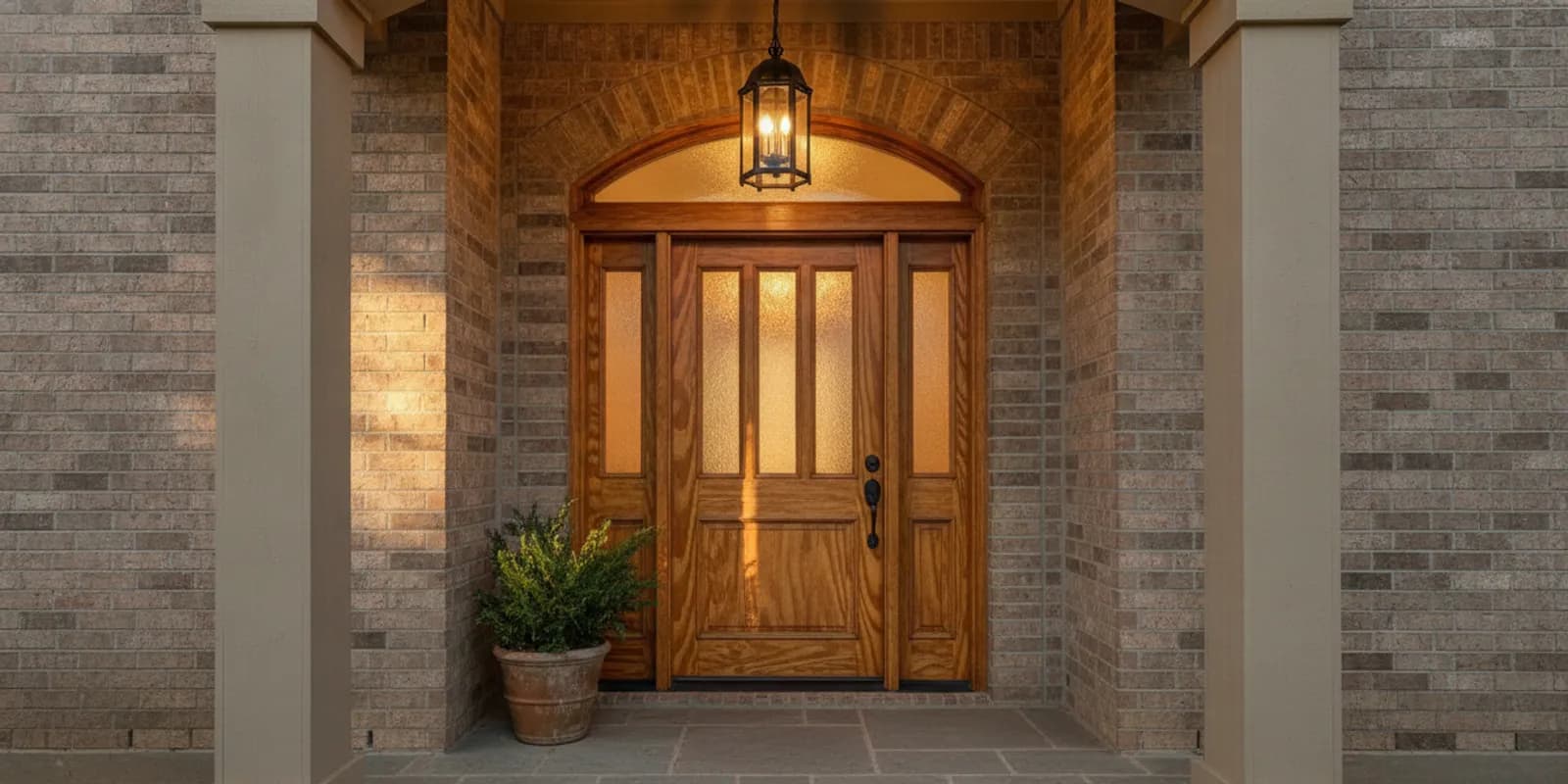
A wooden door can bring natural grain and warmth to a home's entry, but choosing one involves more than picking a stain. For homeowners in Rockwall, Dallas, Fort Worth, and across DFW, sun, rain, shelter, maintenance, and installation details all affect the decision. This guide explains how to compare options and plan for a door that suits your entry and your priorities.
Discuss your exterior door plans
What should you know about a wooden door?
“Wooden door” can describe several types of construction. Some doors use solid wood throughout. Others combine wood with engineered components, or use a wood surface over a different core. Those differences can affect appearance, stability, weight, finish care, and the manufacturer's instructions. Ask for the exact construction rather than relying on a broad material label.
Wood offers visual qualities that many homeowners want at an entry. Grain patterns vary, and a stain can make that texture a focal point. Paint is another option when a more uniform color works better with the home's trim or exterior. Different species and panel designs create different looks, so request samples or product information when available and compare them in the light near your actual entry.
A door is also a complete assembly, not only a slab. The frame, threshold, hinges, latch, weatherstripping, glass, finish, and installation all contribute to how it looks and operates. A well-chosen panel can still leave gaps or be difficult to use if the opening is measured incorrectly or the surrounding parts are in poor condition. SunSmart's exterior door replacement information is a useful starting point for understanding the service category.
Is a wooden door a good fit for a DFW home?
Start with the conditions at your entry, not a general claim about how a material performs. A deeply covered porch may shield a door from direct sun and rain. An exposed west-facing entry may receive strong afternoon sunlight and weather. Neither situation alone determines the right choice, but it changes what you should ask about finishes, maintenance, and protection.
Walk outside at different times of day and observe the entry. Note whether sunlight reaches the panel or frame, whether rain can blow directly onto it, and whether water drains away from the threshold. Look at nearby trim and flooring for signs of recurring moisture. If the door already sticks, also record when the problem occurs. Seasonal movement, hardware wear, and a shifted frame can affect operation, so sticking does not by itself prove the slab must be replaced.
- Sun: Record which parts of the door receive direct sunlight and for how long.
- Rain and shelter: Check the overhang, the condition of the sill, and whether water tends to collect near the opening.
- Household use: Consider daily traffic, pets, children, deliveries, and whether the entry is a primary route in and out.
- Existing symptoms: Note drafts, rubbing, loose hardware, damaged finish, soft spots, or a latch that does not engage smoothly.
- Style context: Look at nearby windows, trim, brick, siding, and architectural details so the new entry feels coordinated.
These observations help turn a vague preference into useful questions. For example, a homeowner who loves stained grain but has a fully exposed entry should ask about finish care and inspection needs before selecting a product. A homeowner with a sheltered entry may put more weight on panel design and color, while still confirming the manufacturer's care guidance. Consider the home's existing entry door design and planning details as you narrow your choices.
How do wooden door options compare with other materials?
Compare the whole assembly and the maintenance you are willing to do. Material labels do not guarantee a particular level of durability, security, energy performance, or weather resistance. Product construction and installation details matter. Use this table to organize a first conversation, then verify specifics for each door under consideration.
| Option | What may appeal | What to check | Useful question |
|---|---|---|---|
| Wood | Natural grain, traditional character, and varied stain or paint choices | Construction, finish, exposure, and maintenance instructions | How should this finish and its exposed edges be cared for? |
| Fiberglass | Some designs can offer a wood-like appearance in a different material | Surface texture, available designs, panel construction, and care directions | What is the specific model's surface and maintenance guidance? |
| Steel | A distinct surface and construction choice with a range of designs | Finish protection, glass and frame options, and the complete assembly | How are the frame, threshold, and weather seals configured? |
Ask for product documentation and compare like with like. Confirm whether each proposal includes the same kind of frame, threshold, glass, hardware, trim, and finish. Also ask how any nonstandard opening or existing damage would be handled. A material comparison is most useful when the actual products and scope are clear.
Energy performance is another assembly question. Look at the manufacturer's specifications for the complete door and any glazing rather than assuming a wood panel alone determines performance. The ENERGY STAR program offers an authoritative reference for energy-efficient products; check the current product guidance and criteria relevant to the door or glazed components you are comparing. For more background on the wider decision, see this homeowner's door replacement guide and the exterior door buying guide.
What should you check before selecting a wooden door?
1. Confirm the opening and door swing
Measure the existing door and opening, and identify the swing direction and handle side. For a replacement, the visible slab is only part of the measurement picture. The frame, threshold, and surrounding finish may also be changing or staying in place. Have the opening assessed so the proposed product and installation plan reflect the actual conditions.
Make a note of obstacles near the entry. A nearby wall, light switch, railing, or piece of furniture may affect how a door can swing. Check how people approach the doorway and whether the handle is convenient to reach. These practical details can be easy to overlook when attention is focused on color and panels.
2. Decide how much glass you want
Choose whether you prefer a solid panel, glass inserts, or sidelights. Glass can bring more daylight to an entry, but it also changes sightlines and privacy. Consider the location of interior rooms, the direction visitors face, and the amount of light you want in the foyer. Ask about available glass configurations and how they are sealed into the door.
Do not choose a glass pattern from a small image alone if privacy is important. Request clear details about the specific glazing and consider how it looks from both indoors and outdoors. The appearance at noon may differ from the evening, when interior lighting is on. Put the exact glass option in the written product description.
3. Match finish and maintenance to exposure
Ask whether the door arrives stained, painted, or unfinished, and what the manufacturer requires for ongoing care. Find out whether exposed edges, the top and bottom of the slab, and any glass trim need particular attention. Ask which cleaning products are suitable. Avoid applying a coating or cleaner unless it is allowed for that product and finish.
Think realistically about upkeep. If you enjoy caring for natural materials and are prepared to follow the recommended inspection and refinishing schedule, a wood appearance may be worth the attention. If you prefer less finish maintenance, compare other materials and ask for product-specific care directions instead of assuming every alternative is maintenance-free. SunSmart's door service overview can help you frame questions about options and replacement planning.
4. Review hardware and daily operation
Check the handle, lock, hinges, and latch as part of the plan. Ask what hardware is included and whether it works with the door's thickness and swing. Make sure the proposed arrangement supports the way the household uses the entry. If you want to reuse existing hardware, confirm compatibility before treating that as a settled detail.
During an assessment, describe any current difficulty opening, closing, or locking the door. Explain whether it happens all the time or only under particular weather conditions. That context can help distinguish a slab issue from a frame, hinge, threshold, or adjustment issue. A proposed replacement scope should explain which parts are being replaced and which are being retained.
5. Clarify the full installation scope
Ask whether the proposal includes the door, frame, threshold, weatherstripping, glass, trim work, removal and disposal, and cleanup. Confirm how the installer will address gaps around the opening and how the perimeter will be sealed. If the existing frame is staying, ask how its condition and dimensions will be checked for compatibility.
Also ask what is excluded. Rot or concealed damage, changes to trim, painting, or adjustments to the opening may affect the final scope. The point is not to assume those conditions will occur. It is to understand how they would be discussed if they are found. SunSmart describes its approach as an educational in-home consultation followed by precision measurement and professional installation. You can review its company background and approach before arranging a discussion.
For location-specific information, homeowners can review SunSmart's pages for Rockwall, Dallas, and Fort Worth. The company's window and door services overview provides additional context about its work in the DFW area.
How should you care for a wooden door?
Follow the door maker's written instructions for the exact construction and finish. No single schedule suits every product or exposure. A sensible habit is to inspect the door periodically and after severe weather, particularly when the entry receives direct sun or rain. Look over the surface, edges, frame, threshold, and weatherstripping.
- Look for fading, peeling, cracking, scratches, or areas where the finish has worn through.
- Check whether the door opens, closes, and latches without unusual force.
- Look for gaps, loose weatherstripping, or daylight around the closed door.
- Keep drainage paths near the entry clear and note any water that remains by the threshold.
- Use only cleaning and finish-care methods approved for the product.
Keep a short record of what you see. A note such as “finish wear at lower outside edge” is more useful than waiting until several symptoms appear and trying to remember when they began. If damage develops, ask the manufacturer or a qualified door professional what repair or maintenance steps are appropriate. Avoid assuming that a generic stain or sealant will suit the existing finish.
Regular inspection does not eliminate weather exposure, but it can help you notice changes before they become harder to address. If the entry repeatedly sticks or allows drafts, note the location and conditions. That information is useful when deciding whether the issue relates to adjustment, seals, the frame, or the door itself.
How can you compare replacement proposals?
Request proposals based on the same opening and a clearly described scope. Comparing only the door name or finish can conceal important differences. Build a checklist with the product model and construction, measurements, frame and threshold, glass, hardware, finish, weather seals, installation work, cleanup, and exclusions. Ask who confirms the final dimensions and how any unexpected opening conditions will be handled.
Consider a simple example. One homeowner wants a stained wood look, has a sheltered porch, and is comfortable checking finish condition. Another wants a similar appearance but has a west-facing entry exposed to weather and would rather reduce finish care. The first may focus on grain, stain samples, and the maker's maintenance instructions. The second may compare wood-look alternatives and ask more detailed questions about finish protection and product care. Neither should rely on a broad material label; both should verify the exact door and installation scope.
Write down your priorities before a consultation. Rank appearance, privacy, daylight, upkeep, operation, and the condition of the opening. Mark which items are essential and which are preferences. That makes it easier to evaluate recommendations without feeling that every available feature is necessary. If you are still comparing, review the DFW door replacement planning guide and this additional front door replacement overview.
Arrange a no-pressure door consultation
Frequently asked questions
Is a wooden door suitable for a DFW home?
It may suit a DFW home if its appearance and care needs match your priorities. Consider the entry's sun and rain exposure, shelter, construction, and finish instructions before choosing. Compare the specific product with alternatives rather than relying on a general material claim.
Does a wooden exterior door need regular maintenance?
It needs inspection and care according to the manufacturer. The appropriate schedule depends on the construction, finish, and exposure. Check the surface and edges for wear, and use only approved cleaning or maintenance methods.
Can I replace the door and keep the existing frame?
That depends on the frame's condition, dimensions, and compatibility with the selected door. Ask for the opening to be assessed and make sure the written proposal states whether the frame and threshold are included or retained.
What should I ask about glass in a wooden entry door?
Ask about the exact glass configuration, how it affects privacy and daylight, and how it is integrated and sealed. Review how the design looks from both sides of the entry, then confirm the selected specification in writing.
How do I compare wood and fiberglass doors?
Compare construction, surface appearance, finish care, design choices, glass options, and complete installation scope. Ask for the instructions and specifications for each model. Do not assume all doors in either category have the same performance or maintenance needs.
A good selection begins with the entry's exposure, condition, and the way your household uses it. With a clear product specification and installation scope, you can weigh the appeal of a wooden door against its upkeep and compare alternatives at your own pace.