
Guide
Door Replacement Guide DFW Homeowners Need
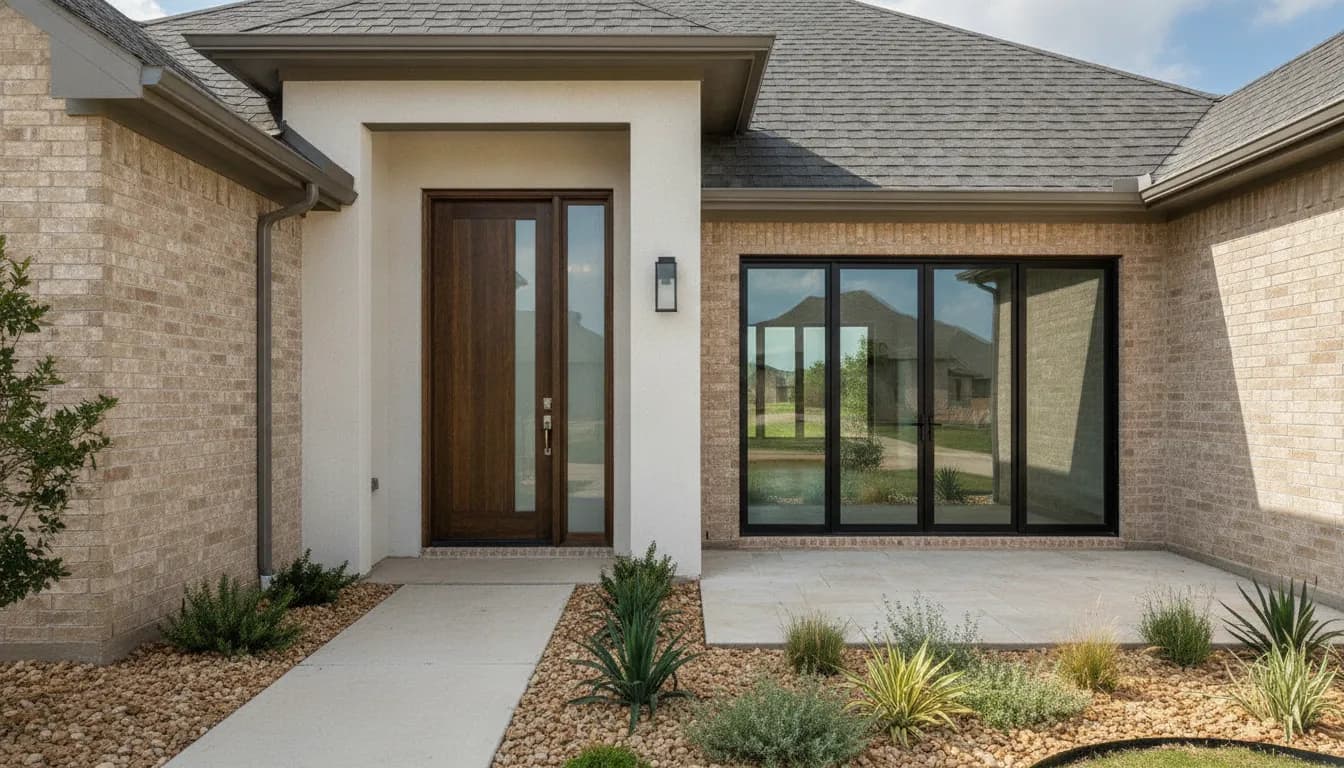
Replacing an entry door or patio door in the DFW area is more than a style update. The opening, exposure, glass, frame, hardware, and installation method all affect comfort, security, energy performance, and long-term durability. This door replacement guide dfw homeowners can use starts with those practical decisions. You can compare options without relying on a one-size-fits-all recommendation.
A well-planned replacement should match the door to your home's opening, use, and exposure, then confirm fit, sealing, and product performance through professional installation. ENERGY STAR provides a useful reference for evaluating energy-related features and ratings: review its residential windows, doors, and skylights criteria before comparing products.
Whether you are in Rockwall, Dallas, Fort Worth, or elsewhere in DFW, the right path depends on what you are replacing and why. Begin by defining the scope of the project, then weigh entry-door materials and patio-door configurations against the realities of your home.
Contact SunSmart for education-led door replacement guidance in DFW.
How This Door Replacement Guide Helps DFW Homeowners Plan
Replacing a door is easier to evaluate when you separate the decision into a few practical questions. Start with the opening itself, then define what the door needs to do. Compare styles and materials, and finally confirm that the installation plan addresses fit, sealing, and operation. That sequence helps homeowners in Dallas, Fort Worth, Rockwall, and surrounding DFW communities make a decision based on the home rather than on a product label alone.
This guide is a broad planning resource, not a substitute for a site-specific assessment. A narrower article may go deeper into front-door warning signs, entry-door materials, patio-door styles, or installation steps. Use those cluster topics when you are ready to investigate one part of the project in detail. The goal here is to help you identify the right questions and collect useful information before requesting a quote.
Define whether the project is for an entry door or patio door
Entry and patio doors solve different problems. An entry door usually needs to support secure closing, weather protection, daily access, and the home's street-facing appearance. A patio door also has to work with the available opening, traffic pattern, furniture layout, and connection to an outdoor area. Sliding, swinging, French, and other configurations each involve different space and hardware considerations, so the preferred look should be tested against how people actually move through the room.
For an entry replacement, note whether the current door is difficult to latch, visibly damaged, drafty, or poorly sealed. For a patio replacement, observe sticking, gaps, difficult operation, worn weatherstripping, or a layout that no longer suits the room. Older, unsealed, or uninsulated exterior doors can contribute to air leakage and energy waste. ENERGY STAR provides a useful framework for comparing qualified door performance and product documentation: review its residential windows, doors, and skylights criteria rather than relying on a universal performance promise.
Gather the details that shape the recommendation
Before contacting an installer, record the door's location, approximate width and height, swing or sliding direction, and any visible concerns around the frame, trim, threshold, or surrounding wall. Take clear photos from both sides if possible. Also write down your priorities, such as improved comfort, security, efficiency, easier access, natural light, privacy, or a different appearance. If you are considering a patio door, include clearance around the opening and how the space is used.
These details give the conversation a useful starting point, but accurate field measurement and an inspection of the opening remain essential. SunSmart's professional door replacement services in DFW can be considered alongside the guide's planning criteria, while the final scope should reflect the home's condition, exposure, and intended use.
What Signs Mean It Is Time to Replace an Entry Door?
An entry door does not have to look severely damaged before replacement becomes worth considering. Small changes in comfort, operation, fit, and security can indicate that the door or its surrounding opening is no longer performing as it should. In a DFW home, pay attention to several signs together rather than treating one minor issue as an automatic reason to replace the entire unit.
Persistent drafts or visible light around the door
Cold or warm air moving around the perimeter, daylight showing through closed gaps, or a noticeable temperature difference near the entry can point to failed weatherstripping. An improperly adjusted latch, or a door that no longer fits the opening well. Older, unsealed, or uninsulated exterior doors can contribute to air leakage and energy waste, according to ENERGY STAR guidance for residential windows and doors.
Weatherstripping, a threshold adjustment, or fresh sealant may solve a localized air leak. Replacement deserves closer consideration when sealing attempts do not hold, the slab is warped, or the frame itself is out of square or deteriorated.
Damage, rot, or moisture-related deterioration
Inspect the door slab, frame, sill, and trim for swelling, soft wood, cracks, peeling finishes, corrosion, or water staining. Surface wear may be manageable with repair and refinishing. Deterioration that extends into the frame or opening is more consequential because it can affect alignment, anchoring, and water management. A professional inspection can help separate cosmetic maintenance from damage that calls for a new, properly fitted door system.
Opening and closing requires force
A door that sticks, drags, rattles, or will not latch smoothly may have a loose hinge, worn strike plate, shifted hardware, or compressed weatherstripping. Those are often repairable. If the problem persists after hardware adjustment, the slab has changed shape, or the frame has shifted, replacement may provide a more reliable solution. Poor operation is not only inconvenient. It can leave the door incompletely latched or create gaps that undermine sealing.
Weak fit or growing security concerns
Check whether the latch engages fully, the deadbolt moves cleanly, and the door sits evenly within the frame. Excessive movement when the door is closed, a damaged frame, or hardware that cannot be securely anchored can justify a closer evaluation. Do not assume a new lock alone will correct a compromised opening. If the frame, jamb, or surrounding structure is damaged, the replacement decision should address the complete assembly.
The practical distinction is simple: repair isolated hardware, finish, and weatherstripping problems when the door and opening remain sound. Consider replacement when damage, poor fit, repeated operating problems, air leakage, or security limitations involve the door system itself. The right recommendation depends on the condition of the home, opening, exposure, and installation details, not on a universal age or lifespan rule.
Which Entry Door Materials Fit a DFW Home Best?
Material choice affects more than curb appeal. For a DFW entry door, consider how the door handles sun exposure, temperature changes, moisture, daily use, and the condition of the existing opening. Insulation matters, but so do the frame, weatherstripping, threshold, hardware, and installation fit. An efficient door cannot perform as intended if air can move around its edges.
ENERGY STAR provides a useful efficiency reference for comparing qualifying windows and doors, while product documentation can provide the details for a specific model. Use those resources to compare performance rather than assuming one material is the universal best choice.
| Material | Insulation and comfort | Appearance and maintenance | Best fit to evaluate |
|---|---|---|---|
| Fiberglass | Often offers strong insulation. It can support a comfortable interior when the door and frame are properly fitted. | Can be finished to create a wood-inspired appearance. Review the finish requirements and how the door will face sun and weather. | Homeowners who want a balance of appearance, durability, and lower routine maintenance than natural wood may require. |
| Steel | Steel and fiberglass-clad doors can provide higher insulating value than solid wood of the same thickness, depending on construction and configuration. | Offers a clean, dependable look. Inspect the protective finish and consider exposure to moisture, impacts, and direct sunlight. | Entrances where strength, security, and practical upkeep are important parts of the decision. |
| Wood | Provides natural character, but insulation depends on thickness, construction, and the complete door system. | Distinctive grain and finish options can complement an older or design-focused home. Wood generally needs closer attention to finish and moisture. | Projects where architectural character and a specific finish matter enough to justify a more involved maintenance plan. |
Fiberglass and steel: performance with different priorities
Fiberglass and steel are commonly compared because both can combine a durable exterior with an insulated core. That does not make them interchangeable. Fiberglass may be the better visual match when you want the texture of wood without choosing natural wood. Steel may make more sense when a straightforward, solid entry and security are central to the project. Look at the complete assembly, including the slab, frame, threshold, glazing, and seals.
The ENERGY STAR residential windows, doors, and skylights standard is a useful starting point for efficiency context: review the ENERGY STAR requirements and product guidance. For a particular door, confirm the applicable rating information and manufacturer documentation instead of relying on a material label alone.
Where wood and glass inserts change the decision
Wood can bring warmth and character to a front entrance, especially when the door is protected by a covered entry. A more exposed opening may require a careful conversation about finish upkeep, drainage, and sealing. Glass inserts also change the balance among daylight, privacy, security, and insulation. Compare the glass configuration and edge sealing with the door itself, since a window can alter the performance of an otherwise insulated slab.
Finally, confirm the opening before selecting a material. A precise measurement, square frame, properly adjusted hinges, and continuous weather sealing help the chosen door operate smoothly and limit drafts. If the existing opening is out of square or damaged, preparation may matter as much as the material specification.
How Should You Compare Patio Door Styles and Glass?
Patio door selection starts with how the opening works in daily life. A door that looks right in a showroom still needs enough clearance, a practical swing path. Dependable weather sealing, and hardware that suits the way people move between the home and outdoor space. In a DFW replacement project, also consider the existing opening, wall layout, exposure, and whether the installation requires changes to trim or surrounding finishes.
| Style | Planning strengths | Questions to resolve |
|---|---|---|
| Sliding | Panels move along a track, so the door does not need an interior or exterior swing area. This can preserve furniture placement and support frequent access. | Is the track in good condition, and is the opening wide enough for the desired access? Check operation, drainage, rollers, locks, and the condition of the frame. |
| French or swinging | Hinged panels can create a broad passage and a familiar entry experience. Swinging doors generally offer a tighter air seal than sliding designs. | Where will the panels swing? Confirm that furniture, steps, landscaping, and walkways will not interfere. Review the threshold, hinges, active panel, and latch alignment. |
| Bi-fold | Multiple panels can open a large portion of the wall, which may connect indoor and outdoor areas effectively for entertaining or wide access. | Does the structure support the opening and the panel weight? Plan for stacking space, hardware clearance, threshold details, drainage, and careful alignment during installation. |
Glass is the next major decision. Larger glass areas can bring in more daylight and improve the visual connection to a patio. But they also make frame design, orientation, solar exposure, and installation quality more important. Compare the product's documented performance rather than assuming that one style or glass appearance performs the same across every manufacturer. The verified ENERGY STAR criteria for residential windows, doors, and skylights provide useful performance context, while product documentation should identify the specific glass and frame configuration being considered.
Ask whether the glass is selected for the home's exposure and comfort goals, and clarify how the frame manages heat transfer. Modern glass doors with metal frames may incorporate a thermal break, an insulating component between inner and outer frame sections. That feature can reduce heat conduction, but the complete assembly still depends on the glass, frame, seals, threshold, and installation.
For homeowners comparing patio-door configurations, review sliding patio door styles alongside the actual room layout. A professional evaluation should verify measurements, opening squareness, sill and framing condition, drainage, weather sealing, lock operation, and final adjustment. These details matter as much as the style because even a well-selected patio door can underperform when the opening is not prepared or the unit is not fitted carefully.
What Does Door Replacement Cost in the DFW Area?
A door replacement quote is based on the project in front of the installer, not a one-size-fits-all number. An entry door and a patio door can involve different products, measurements, preparation work, and installation requirements. That is why a useful estimate should explain the scope of work and the conditions affecting it, rather than present an unexplained figure.
Start with the type and scope of door
Replacing a single front entry door may involve a different level of planning than replacing a sliding patio door, French doors, or a larger multi-panel opening. The quote should identify the exact configuration, including the number of panels, direction of operation, sidelites, transoms, or other glass areas. If the project changes the opening size or converts one style to another, additional preparation and finish work may be required.
Product choices affect the estimate
Material is one part of the decision. Fiberglass, steel, wood, and framed glass systems each have different construction, appearance, maintenance, and installation considerations. The dimensions of the door and frame also matter. A standard replacement that fits an existing opening may require less work than a custom-size unit or a product that must be adapted to an unusual opening.
Glass and hardware add further variables. Homeowners may be comparing clear, decorative, privacy, or insulated glass, along with handles, locks, hinges, thresholds, and other hardware. The right choice depends on the door's location, exposure, security needs, ventilation goals, and how the household uses the opening. Product performance labels and manufacturer documentation can help compare efficiency claims, including those covered by ENERGY STAR guidance.
The existing opening and installation site matter
Before installation, the existing door and frame should be evaluated for damage, moisture, rot, uneven surfaces, and signs that the opening is out of square. Removal and disposal may be included in the scope, along with new trim, interior or exterior finish repairs, threshold work, and perimeter sealing. These details can be easy to miss when an estimate lists only the door itself.
Access also affects planning. Tight hallways, upper-level openings, landscaping, security restrictions, and limited space around the entry can make removal and installation more involved. An on-site assessment allows the installer to verify measurements, inspect the opening, discuss product options, and identify preparation work before the project begins. For homeowners in Rockwall, Dallas, Fort Worth, and the wider DFW area. That practical review creates a clearer basis for comparing quotes and selecting a door that fits both the home and the intended use.
What Should You Expect From a Professional Door Installation?
A careful installation is more than removing one door and placing another in the same opening. The installer should confirm the right product for the home, protect the surrounding area, and adjust the finished assembly so it operates as intended. The exact work can vary between an entry door and a patio door, but a clear process gives you useful checkpoints throughout the project.
- Consultation and scope review. The process should begin with a conversation about the existing door, how the opening is used, and what you want to improve. Entry and patio replacements can involve different priorities, including security, daylight, access, ventilation, sightlines, and traffic patterns. Review the selected style, frame, glass, hardware, trim, and any related work before installation begins. SunSmart's professional door replacement services in DFW provide a starting point for understanding the available service scope.
- Accurate measurement. Measurements should account for the existing frame and the rough opening, not just the visible door slab. The installer should confirm width, height, depth, swing or sliding direction, threshold conditions, and clearance for trim and hardware. Patio doors also require attention to panel configuration and the space needed for operation. Precise measurements help identify fit issues before the product arrives.
- Opening inspection. Once the old door and surrounding trim are accessible, the installer should inspect the opening for damage. Moisture intrusion, deterioration, uneven surfaces, or signs that the structure is out of square. The selected replacement may need a different preparation approach if the opening condition differs from what was visible during the consultation. Any additional scope should be explained before it is performed.
- Preparation and protection. The work area should be protected from dust, debris, and incidental damage. The installer prepares the sill, framing surfaces, fastener locations, and surrounding trim as needed. This stage can include removing compromised material, correcting minor fit conditions, and preparing surfaces for a continuous weather-resistant connection. Preparation should support the new door rather than conceal an unresolved opening problem.
- Setting the door assembly. The door or frame is placed into the prepared opening and positioned according to the manufacturer's installation requirements. The installer checks that the frame is seated correctly and that the threshold or sill has appropriate support. Replacement work should preserve the intended drainage path and avoid forcing the assembly into position.
- Shimming and alignment. Shims and fasteners help establish a level, plumb, and square frame. Alignment matters because a frame that is slightly twisted can affect gaps, latch engagement, panel movement, and long-term operation. The installer should recheck the spacing around the door as the fasteners are secured, rather than relying on a single measurement at the start.
- Weather sealing. The connection between the door, frame, and opening should be sealed with materials and techniques suited to the assembly and the manufacturer's instructions. Pay attention to the sill, jambs, head, corners, and transitions into the surrounding wall. A product's efficiency rating does not replace sound installation. ENERGY STAR provides a useful reference for comparing documented product performance, but the finished result still depends on fit and sealing.
- Hardware adjustment and operation checks. Locks, hinges, rollers, handles, latches, and other moving parts should be adjusted after the frame is secured. The installer should open, close, latch, and lock the door several times, checking for rubbing, excessive force, uneven gaps, or air and light paths around the perimeter. For a patio door, confirm that each panel moves smoothly and that the screen, if included in the scope, operates correctly.
- Cleanup and homeowner handoff. The final walkthrough should cover the door's operation, locks, screens, ventilation positions, maintenance considerations, and any care instructions supplied with the product. The installer should remove job debris and leave the work area reasonably orderly. Ask questions while the crew is present, and make sure any remaining trim, finish, or follow-up items are clearly identified. For more local process details, review SunSmart's front door replacement guide for Dallas homeowners.
How Do You Choose a Trustworthy DFW Door Installer?
A dependable installer should make the project easier to understand before asking you to make a decision. Start by asking for a clear scope of work. It should identify whether the project covers an entry door, patio door, frame, trim, sidelights, transom, hardware, glass, removal, disposal, and finishing work. Vague phrases such as "complete installation" are worth clarifying before you compare proposals.
Ask how the opening will be measured and inspected
Measurement is more than recording the visible width and height of the existing door. Ask whether the installer will check the opening in multiple places, confirm that it is square and level, and account for the frame, threshold, and surrounding trim. The installer should also discuss the condition of the opening before the new unit is ordered. Rot, moisture damage, movement, or previous installation problems can affect preparation and the final fit.
A useful conversation includes what happens if an unexpected condition is found. You should know which work is included, which work may require approval, and how any change would affect the written scope. This is particularly important for older homes and replacement projects where the opening may not match current dimensions.
Request product and performance documentation
Ask to review the proposed door's material, glass configuration, hardware, and available manufacturer documentation. For efficiency claims, compare product performance labels and documentation rather than relying on a universal promise. ENERGY STAR provides a useful reference for residential windows, doors, and skylights. But the right selection still depends on the opening, exposure, operation, and how the unit will be installed.
Have the installer explain practical tradeoffs. A particular glass package may support comfort or light control, while a specific hardware option may better suit daily use or security priorities. The explanation should help you choose, not pressure you into the most expensive configuration.
Evaluate the proposal and communication
A written quote should make it possible to compare like with like. Look for the exact product or configuration, labor, preparation, sealing, trim, hardware, removal, cleanup, and any exclusions. Ask how updates will be handled, who your point of contact will be, and when you will receive notice about changes. Clear communication before installation is a useful indicator of how questions may be handled during the project.
References and independent reviews can add context, but read them for patterns rather than relying on a single rating. Look for comments about measurement, cleanliness, communication, fit, and follow-through. Be cautious of unverifiable claims or testimonials that do not explain what work was completed.
Do not skip the final walkthrough
Before the installer leaves, operate the door several times. Check the swing or slide, latch, lock, threshold, weather seals, glass, trim, and surrounding finish. Ask how to care for the materials and whom to contact if adjustment questions arise. A careful final walkthrough confirms that the work is complete and gives you a chance to address concerns while the installation details are still fresh.
When homeowners compare professional door replacement services in DFW, an education-first consultation should leave them with a clear scope and realistic options. It should also clarify how the opening and installation process affect the result.
Frequently Asked Questions
How do I know if I need to replace my front door?
Look for persistent drafts, difficulty opening or latching, visible warping or rot, damaged weatherstripping, and gaps around the frame. If the door is sound but the seal or hardware has failed, a repair may be practical. Replacement is worth evaluating when fit, insulation, security, or operating problems point to the door and opening as a whole.
What is the best material for entry doors in North Texas?
There is no universal best material. Fiberglass and steel can provide strong insulation and durability, while wood offers a distinct appearance but may require more finish maintenance. Consider sun and weather exposure, maintenance preferences, security, glass inserts, and how accurately the door can be fitted and sealed. Steel and fiberglass-clad doors commonly have higher insulating value than solid wood of the same thickness, according to ENERGY STAR guidance.
How long does door replacement take?
The installation time depends on the door type, opening condition, removal requirements, trim work, and whether framing or other repairs are needed. A straightforward replacement may be completed quickly. But a reliable installer should confirm the scope after measuring and inspecting the opening rather than promise a fixed timeline in advance.
Does professional door installation improve energy efficiency?
It can help when the new door is properly selected, fitted, weather-sealed, and adjusted. Compare product performance information, including applicable NFRC ratings, instead of relying on a general efficiency promise. Installation quality matters because gaps, poor alignment, or incomplete sealing can undermine an otherwise well-performing door. ENERGY STAR provides the referenced efficiency framework.
What should I look for in a local DFW door installer?
Choose an installer who explains the full scope and measures the opening carefully. The installer should document the selected door and glass, provide a clear written quote, and review sealing, hardware, operation, trim, and cleanup at handoff. Ask how they address an opening that is out of square and whether their recommendations account for your home's exposure and everyday use.
Plan Your Door Replacement With Clear Guidance
Choosing an entry or patio door involves more than style. The opening, fit, sealing, glass, and everyday use all affect which option makes sense for your home. SunSmart can help you compare those considerations with a practical, education-first approach for Rockwall, Dallas, Fort Worth, and the wider DFW area.
Contact SunSmart to get started with clear guidance on your door replacement project.