
Guide
What to Know Before: Window Replacement for Older DFW Homes
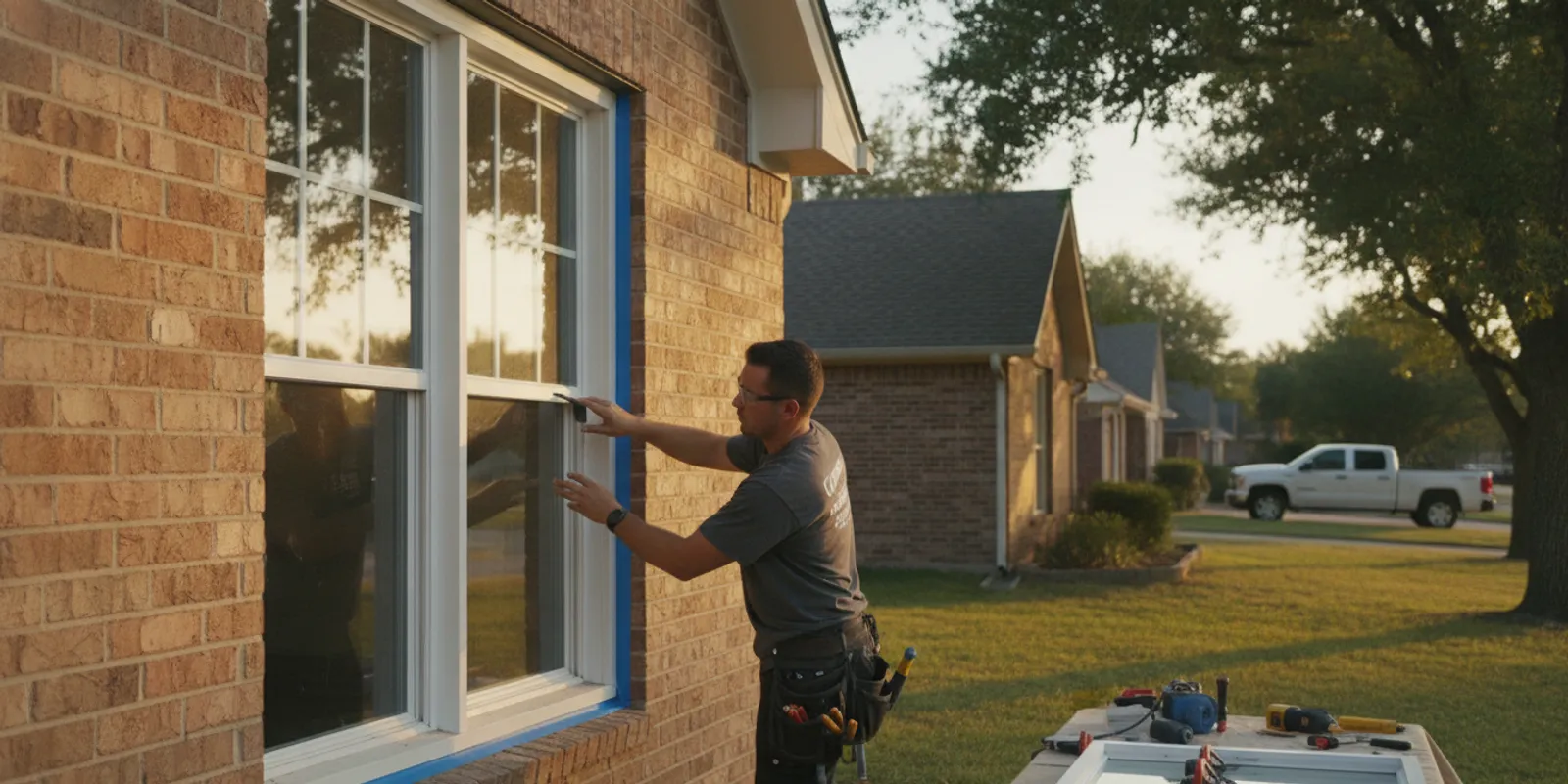
Planning window replacement for older DFW homes starts with more than choosing a frame color. The home's existing openings, surrounding trim, signs of moisture, comfort concerns, and desired appearance all affect what to measure and discuss. A careful review helps you decide which windows need attention and what questions to ask before work begins.
Talk through your window replacement plans
What should you inspect before window replacement for older DFW homes?
Walk through the home and note what each window does, what it looks like, and what you notice around it. Do not assume every window has the same problem or needs the same solution. A room-by-room list gives you a useful starting point for an in-home assessment and helps keep the conversation focused on your needs.
Check operation and visible condition
Open and close each window if it is safe to do so. Note windows that stick, will not stay in position, or are difficult to latch. Look for cracked glass, gaps, damaged locks, soft or deteriorated frame sections, and visible separation between the window and surrounding materials. Record the room and which part of the window concerns you. A photo can help you remember the location later.
Look at the inside and outside where accessible, but do not climb or remove trim to inspect hidden areas. A surface issue may have more than one possible cause. An experienced installer can examine the opening and explain whether the problem appears to involve the window, the frame, or the surrounding construction.
Notice drafts, heat, and unwanted sound
Pay attention to rooms that feel less comfortable than others, especially during hot DFW weather. Make a note of when the discomfort occurs and whether it seems to come from one window or the whole room. Also note outside noise that is particularly noticeable. These observations help guide a discussion of glass, operation, frame fit, and sound-reduction options.
A simple observation is not a performance test. Curtains, sun exposure, room layout, air movement, and other parts of the building can affect comfort. Treat your notes as clues to discuss, rather than proof that a specific window feature will solve the issue.
Look for condensation and signs of water
Record where condensation appears and when you see it. Moisture on a room-side surface is different from moisture that appears between panes, so note which one you are seeing. Look for staining, bubbling paint, or damaged material around the opening, too. If you find signs of moisture, raise them during the assessment instead of assuming that new windows alone will address the underlying source.
For an older home, the boundary between the window and the wall deserves particular attention. Ask how the installer will examine the opening, address the fit, and seal around the new unit. The goal is to understand the planned work, not to guess at hidden conditions from inside the room.
How do you plan window replacement for an older DFW home?
Before choosing products, define what you want the project to accomplish. Some homeowners are focused on easier operation. Others want a more comfortable room, a different appearance, improved sound control, or a consistent look across the front of the home. Rank your priorities so that tradeoffs are easier to evaluate.
- Function: Which windows are hard to open, close, clean, or secure?
- Comfort: Which rooms feel uncomfortable, and at what times?
- Appearance: Do you want to preserve the home's existing style or make a visible change?
- Scope: Are you considering selected openings or a broader replacement project?
- Planning: What access, furniture, pets, or daily routines will the crew need to account for?
If you are still deciding whether the project should include one opening or many, compare the condition and priorities for each window rather than treating a whole-home replacement as automatic. A detailed list gives you a basis for considering scope and sequencing with a professional.
Think about the home's style and existing details
Older houses can have distinctive proportions, trim, muntin patterns, and exterior finishes. Photograph the front and sides of the house, then take closer photos of windows that best represent its character. Point out any details you want to retain. Ask what changes the proposed window would make to the visible glass area, frame lines, trim, and overall appearance.
Window selection is not only about the product. The opening and installation approach matter, too. If an opening is an unusual size or shape, ask whether a made-to-fit option is appropriate. SunSmart's custom window information can help you prepare questions about nonstandard openings.
If you are comparing frame types, consider the existing appearance, upkeep preferences, opening requirements, and product details together. Read more about vinyl windows and review the vinyl versus fiberglass comparison as background for a product conversation. The right choice depends on the home's openings and your priorities, not on a material label alone.
Match glass decisions to the room and the goal
Glass options can affect more than one performance consideration. Ask which glass package is proposed for each exposure and why. If heat and sunlight are central concerns, discuss Low-E glass and how the actual product's performance information applies to the window you are considering. SunSmart's guide to Low-E glass and argon explains the basic terms, while the ENERGY STAR windows guide for Texas homes is a starting point for learning about efficiency considerations.
ENERGY STAR is the efficiency reference to use when comparing eligible window products. Ask for the specific product information and ratings rather than relying on a broad claim such as “energy efficient.” Compare like with like, and make sure the product being discussed fits the opening, home, and goals.
Which older-home conditions may change the replacement plan?
Older windows are not automatically at the end of their useful life. The condition of the unit and frame, the way it operates, and the needs of the home all matter. A National Center for Healthy Housing symposium report notes that wood windows can last decades, and that some older wood windows can last longer. That background is a reason to assess the actual condition rather than relying on age alone. Read the window replacement symposium report.
On the other hand, the Texas Department of Housing and Community Affairs' window-replacement guidance says replacement should be considered when a window is damaged beyond repair and air is infiltrating through the window frame itself. Review the Texas guidance on window replacement. The guidance provides a useful distinction to discuss: whether the concern is a repairable component or a damaged frame that is allowing air infiltration.
Use the table below to organize what you observe and the next question to ask. It is not a diagnosis or a promise that a particular repair or product will be right for your house.
| What you notice | What to document | What to ask during the assessment |
|---|---|---|
| Window sticks or will not latch | Room, window type, and whether the issue occurs every time | Is the issue with the operating hardware, sash, frame, or opening? |
| Draft or noticeable air movement | Where you feel it and whether it is near the frame or another area | Can the source be identified, and how will the proposed work address it? |
| Moisture or staining near the opening | Location, appearance, and when it tends to show up | What conditions need further inspection before installation? |
| Cracked glass or damaged frame | Which part is affected and whether damage is visible from both sides | Is the affected component repairable, or does the frame need replacement? |
| Distinctive trim or unusual dimensions | Photos, approximate location, and details you want to preserve | What options fit this opening and maintain the appearance you want? |
What should you ask about measurement and installation?
In an older home, precise measurement and clear installation planning matter because existing openings and finishes may vary. Ask how measurements will be taken for each opening and when final specifications are confirmed. The visit should establish what is included, what assumptions are being made, and which conditions may need attention before the replacement unit is installed.
- Will each opening be measured individually, including unusual sizes?
- What parts of the existing window, frame, and trim are included in the planned removal?
- How will the opening be checked once the existing unit is removed?
- How will the new window be fitted, sealed, and insulated at the perimeter?
- What work is included for interior and exterior trim, and what is not?
- How will the crew protect nearby floors, furnishings, and landscaping?
- What should I move or prepare before installation day?
- What should I inspect with the installer when the work is complete?
Answers should be specific to the project. If a detail is important to you, ask to have it explained clearly before agreeing to the work. SunSmart's residential window replacement information outlines the service, and the window replacement day preparation guide can help you plan for the work at home.
For a broader overview of the steps involved, see the DFW homeowner's window replacement guide. If you are still comparing what different product types mean, the guide to double-pane versus single-pane windows offers another useful set of questions to take to a consultation.
How should you set the scope for an older home's window project?
Once you have assessed the openings, separate immediate concerns from preferences. A window that is damaged or hard to secure may deserve a different priority from one that is simply a different style than you would choose today. This distinction helps you discuss the project in a calm, practical order rather than feeling that every visible difference requires a replacement.
For each opening, consider whether the window is in a prominent part of the exterior, serves a particular room, or has an unusual size or operation. A front-facing window may have a greater effect on the home's overall appearance than one at the back. A bedroom or other frequently used room may make comfort and ease of operation especially important. Share those priorities so they can be considered alongside the opening's condition.
Consistency is another useful topic. Replacing only selected windows may leave different frame profiles or finishes next to one another, depending on the products and what is already installed. Conversely, replacing more windows than necessary may not fit your priorities. Ask to compare how each proposed scope would look from both inside and outside, and confirm which windows are included in each option.
If the home has had previous window work, mention it. Differences in age, size, trim, or operation from one room to another can affect how a project is planned. Photographs and a simple room list make these variations easier to discuss. Do not assume the same product or installation detail will be appropriate for every opening just because the windows appear similar from the street.
It can also help to think about timing and access. Consider rooms where furniture is close to the window, places where pets or children need extra separation during work, and exterior areas that may be difficult to reach. Ask how the installer plans to handle access and protect nearby finishes. These are planning questions, not reasons to rush into a particular scope.
How can DFW homeowners compare project options clearly?
Ask for a written description that connects the proposed product and installation approach to the concerns you raised. It should be possible to tell which windows are included, what type of unit is proposed for each opening, and which options are alternatives rather than part of the base recommendation. A product comparison is easier to understand when the same details are laid out for each choice.
For each option, compare the frame and operating style, glass features, appearance, installation scope, and any stated exclusions. Ask what changes if you select another glass package or frame type. If a recommendation is based on an observed condition, ask the installer to show or explain that condition. Keep your priorities in view so a long list of upgrades does not distract from the reasons you started the project.
Pricing can depend on the products, sizes, and work included, so avoid comparing totals without checking that the scope is similar. SunSmart's window replacement cost information is a resource for framing cost questions. For a practical discussion of replacement choices across the home, SunSmart also provides window and door service information.
SunSmart is a family-owned windows and doors company serving Rockwall, Dallas, Fort Worth, and the wider DFW area. Its approach centers on education, precise planning, professional installation, and transparent guidance. You can learn more about SunSmart before deciding what questions you want to bring to a consultation.
Request a no-pressure window consultation
Frequently asked questions
Does an older DFW home always need new windows?
No. Age alone does not establish that a window needs replacement. Check its condition and operation, note any drafts or damage, and have the opening assessed before deciding what work makes sense.
Should I replace all the windows at once?
Not necessarily. Start by documenting the condition and needs of each opening. A consultation can help you compare addressing selected windows with a broader project, based on the home's condition, your priorities, and your plans.
What should I bring to a window consultation?
Bring your room-by-room notes, photos of problem areas and exterior details, a list of priorities, and any questions about appearance, glass, operation, and installation. Also identify windows that are difficult to access or have unusual shapes.
How can I tell whether a draft comes from the window?
Note where you feel air movement and whether it appears to be near the window frame, sash, or another part of the room. Share the observation with an installer and ask how the source will be checked. A draft by itself does not establish which component is responsible.
What is the most important thing to confirm before installation?
Make sure you understand the products, openings, and work included, along with how the installation will be completed and what preparation is expected from you. Clear answers before work starts help you make an informed decision about your older home's windows.
A thoughtful assessment connects each window's actual condition with your comfort, appearance, and project goals. With clear notes and specific questions, DFW homeowners can compare replacement options without assuming that every older window needs the same solution.