
Guide
How to Prepare for Window Replacement Day: A Step-by-Step Guide
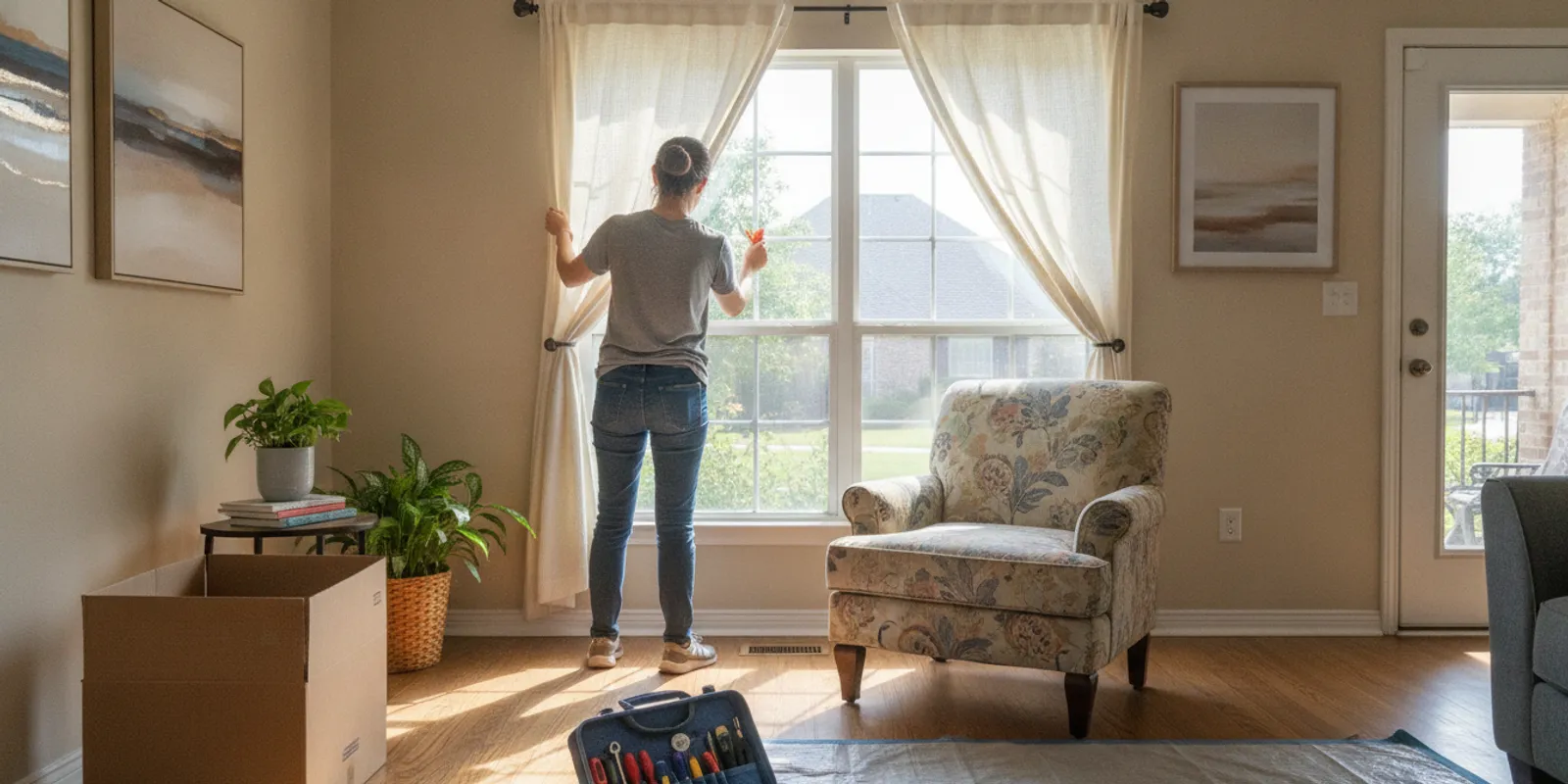
If your installation date is set, knowing how to prepare for window replacement day can make the work easier for your household and help the crew reach each opening safely. A little planning is usually enough: clear the work area, protect belongings, make a plan for children and pets, and know what you want to review at the end. For a broader look at window types and decisions before ordering, start with our window replacement guide for DFW homeowners.
Talk with SunSmart about your window project
How to prepare for window replacement day the week before
Before moving furniture or taking down window treatments, confirm the job details with your installer. Ask which openings are included, how the crew will access the home, whether someone needs to be present, and what preparation the installer expects from you. The answers can vary with the number and type of windows, the layout of the home, and the installation plan.
Use the confirmation call or message to settle practical details. Confirm the scheduled arrival window, the best entrance to use, and where the crew may park or unload. If you live in a neighborhood with gate access, parking limits, a shared driveway, or an association with work-hour rules, raise that early. Tell the installer about conditions that could affect access, such as a narrow side yard, a steep path, fragile landscaping, or a room that cannot be entered without notice.
Also mention any unusual features around the windows. Examples include security sensors, window air conditioners, built-in furniture, delicate trim, interior shutters, or a window that is difficult to reach. Do not assume that a crew will know about these details before arrival. A quick photo or clear description can help the installer advise you on what to remove and what can stay.
Make a simple room-by-room plan
Write down the rooms and openings scheduled for replacement. For each one, decide what needs to be moved, where it can go, and whether the room needs extra protection. This is especially useful when several windows are being replaced throughout a home. The plan also makes it easier to keep children, pets, and household routines away from active work areas.
If you are still comparing products or trying to understand how frame and glass choices fit together, review our guides to vinyl window options and Low-E glass. Those decisions are best discussed before installation day, not while the crew is preparing an opening.
What should you move before the window crew arrives?
Clear enough space for workers to reach each window from inside and, when needed, outside. A generous work area is safer and more useful than shifting a few small items at the last minute. Your installer can tell you how much clearance is needed for the particular openings and method planned.
- Move furniture and floor items. Shift beds, sofas, desks, lamps, rugs, plants, and anything breakable away from the window. If a large piece cannot be moved, ask the installer what to do rather than assuming it can remain in place.
- Remove window coverings. Take down curtains, blinds, shades, and other removable treatments if your installer requests it. Put hardware and small parts in a labeled bag so they do not get lost. Built-in or hardwired coverings may need special handling.
- Clear shelves and nearby surfaces. Remove framed photos, decorations, electronics, and valuables from the sill and nearby tables. Vibration or handling during work can disturb items even if they are not directly beside the opening.
- Protect floors and furnishings. Ask whether the crew supplies floor protection and what you should cover yourself. Move rugs and delicate items out of the route between the entrance and each work area.
- Make a path to each opening. Clear hallways and doorways of toys, cords, laundry baskets, and other trip hazards. If an exterior route is needed, move hoses, yard tools, patio furniture, and planters where practical.
- Secure valuables and private items. Put away medication, documents, jewelry, and personal items. This is a sensible precaution whenever workers need access to several rooms.
Do not remove parts of the existing window or alter the opening yourself unless the installer specifically asks you to. Avoid disconnecting alarms or electrical equipment without guidance. For security devices, ask whether the sensor must be removed by you, by the alarm provider, or by the installation team, and how the system will be checked afterward.
In a DFW home, exterior access can matter as much as the room inside. Trim shrubs only if you can do so safely and without damaging the property, and move items that block the approach. Do not climb ladders or try to prepare a high window yourself. Point out the obstacle and let the installer explain what access is required.
How do you prepare children and pets for window installation?
Window work can bring unfamiliar people, open doorways, tools, noise, and movement between rooms. Plan for children and pets to remain away from active work areas. The right arrangement depends on your household and the crew's process, but the goal is consistent: provide a clear work zone and reduce the chance that someone walks into it unexpectedly.
For young children, arrange a separate room, a visit with a caregiver, or another safe activity away from the work area. Explain in simple terms that workers will be fixing the windows and that the marked work spaces are off limits. Keep toys, snacks, and favorite items in the area where the child will spend time, so there is less reason to cross through the work zone.
For dogs and cats, choose a closed room well away from the active openings, a secure carrier, or an off-site care option. Let the crew know where the animal will be and make sure the plan accounts for exterior doors opening. A pet that is usually calm may react differently to unfamiliar sounds or people. Do not rely on a baby gate alone if a pet could push through it or slip past when a door opens.
Think through the household schedule, too. If someone works from home, identify a quiet room that is not next to the windows being changed, and ask the installer what level of noise or interruption to expect. If a family member has mobility, health, or sensory needs, share relevant access considerations in advance and agree on a practical route through the home.
What should you do on the morning of replacement?
Before the crew arrives, take a few minutes to check the plan rather than trying to do last-minute repairs or heavy lifting. Walk through the scheduled rooms and confirm that window coverings and nearby belongings have been handled as agreed. Make sure the path from the entrance to the work areas is clear, and put away anything that could be a trip hazard. If a room is not ready or an item cannot be moved, point it out when the crew arrives and ask how they want to proceed.
Keep the project details, contact information, and list of included openings nearby. If you have questions about the scope, resolve them before work begins. You can also take a few reference photos of the rooms or window areas for your own records, especially if there are existing marks or features you have already discussed with the installer. Photos do not replace a walkthrough or written agreement, but they can help you describe a question clearly.
Make sure the crew knows where to find you if you need to step away. Avoid leaving the property without agreeing on how the team can contact you if an unexpected issue comes up. If you need to leave during the project, confirm who can make decisions and how any proposed change will be documented. Keep your phone accessible, but stay clear of the work zone when the crew is handling tools or an opening.
Texas weather can change quickly, so ask how the installer plans to handle rain or other conditions that could affect the work. Do not postpone or alter the schedule based only on a forecast; discuss concerns with the company coordinating the installation. The installer can explain whether conditions affect access, timing, or the sequence for your specific job.
What happens during window removal and installation?
The exact sequence varies by product and project. In general, installers prepare the work area, remove the existing window components as required, inspect the opening, fit and secure the replacement, and address the sealing and trim details included in the agreed scope. The crew may work inside and outside. Some dust, noise, and temporary exposure at an opening can occur during removal and fitting, so keep the immediate area clear.
Ask your installer to explain the planned sequence for your home before work begins. Confirm whether the crew expects to move between rooms, whether openings will be worked on one at a time, and how they will handle any unexpected condition found after an old unit is removed. If a condition differs from what was anticipated, ask for a clear explanation of the proposed next step before approving a change to the work.
When the opening is exposed, the crew should be able to work without household items in the way. Keep children and pets out, and do not touch tools, materials, or the opening unless the installer invites you to inspect. If you have questions, direct them to the crew lead at a convenient pause instead of interrupting a safety-sensitive task.
Municipal requirements differ by location and project. If you are unsure whether a permit or review applies, ask your installer and check with your local building department before work starts. For example, Boston's published application instructions note that some interior work can affect a building's exterior, including window replacement; this is a reminder to check the rules that apply to your own city, not a statement of Texas requirements. Read the Boston application and fee instructions.
SunSmart's residential window replacement service page explains the work category, while the window and door services overview can help you identify related project questions to raise before scheduling.
What should you check when the window work is done?
Set aside time for a walkthrough before the crew leaves. Use the opening list you made in advance, and review each completed window with the installer. The goal is to understand how the new units operate, identify any concern while the team is present, and confirm what cleanup or follow-up remains within the agreed scope.
| What to review | What to check | Question to ask |
|---|---|---|
| Operation | Open, close, and lock each unit as instructed. Check that the sash or panel moves as expected. | Is there anything about this model's operation I should know? |
| Visible finish | Look at the visible frame, trim, and surrounding work for an obvious unfinished area or damage. | Is this finish complete, or is any agreed follow-up still needed? |
| Work area | Review the rooms and paths used by the crew for tools, packaging, or debris that should be removed. | What cleanup is included, and is anything left for me to handle? |
| Controls and accessories | Identify screens, locks, or other included components and learn how to use them. | Can you show me how this part is removed or adjusted? |
| Open questions | Note concerns or items that need explanation before signing off on the walkthrough. | Who should I contact if I notice a concern after the crew leaves? |
Check the operation using the installer’s directions. Do not force a unit that feels stuck or operate a part in a way you have not been shown. If something seems unusual, describe what you noticed and ask the crew to take a look. For concerns that cannot be resolved during the walkthrough, get the agreed next step and the right contact in writing.
Ask for any care instructions, product information, and project paperwork that applies to your order. Keep these materials where you can find them. Do not assume that every window has identical hardware or care requirements, especially if the project includes more than one style.
What questions should you ask your installer after completion?
A brief set of practical questions can help you care for the new windows and know what to do if you have a concern later. Tailor them to the products and scope in your contract:
- How should I clean the glass, frame, and any included hardware?
- Are there any care steps or products I should avoid?
- How do I operate and secure each window style?
- What should I do if I notice a draft, water, unusual operation, or visible issue?
- Who is the correct contact for a question about the installation or product, and what information should I provide?
- Are there project documents, care instructions, or warranty terms I should keep?
Warranty coverage depends on the product and the written terms for your project. Read those terms rather than relying on a general statement, and ask the responsible contact to clarify anything that is unclear. Save your contract, product details, and any service instructions together.
If your project includes patio or entry units as well as windows, make sure those openings are included in the same walkthrough. Our guides to exterior door replacement and door replacement planning for DFW homeowners cover related considerations to discuss before or after a project.
For another perspective on selecting the right project scope, see the story and approach behind SunSmart. Questions about your specific order are best directed to the installer or the contact identified in your project documents.
Ask SunSmart a question about your window installation
Frequently asked questions
Do I need to be home during window replacement?
Confirm this with your installer before the scheduled date. The answer can depend on the project, access needs, and the agreement for your home. Even when you do not need to remain in every room, make sure the crew has an approved way to enter and reach the scheduled openings, and arrange for someone to be available for questions or decisions.
Should I take down blinds and curtains before installation?
Ask the installer what must be removed for your specific windows. Curtains and removable blinds may need to come down to provide access, but built-in, hardwired, or unusually mounted coverings can require different handling. Label small hardware and keep it together if you plan to reuse the treatments.
Will window replacement make a mess inside my home?
Removal and fitting can create some dust or debris, and crews need room to work. Clear the area, move fragile belongings, and ask what floor and furniture protection the installer supplies. The amount of disruption depends on the number of openings, the home's layout, and the work involved.
Can I stay in the house while windows are being replaced?
Many homeowners arrange to be elsewhere in the home, but ask the installer what is practical for your project. Keep away from active openings and work zones, and plan a separate place for children and pets. For a project that affects several rooms, ask about the anticipated sequence so you can plan your day.
What if the installer finds a problem after removing an old window?
Ask the crew to explain what they found, how it affects the planned work, and what options are available. Request the proposed next step and any change to the agreed scope or cost in writing before authorizing additional work. The right response depends on the specific condition and project agreement.
Good preparation is less about doing the crew's work and more about making access clear, protecting your household, and knowing what to review. Confirm the plan with your installer, keep questions handy, and give yourself time for a calm walkthrough when the work is complete.