
Guide
Dutch Door: What DFW Homeowners Should Know Before Choosing One
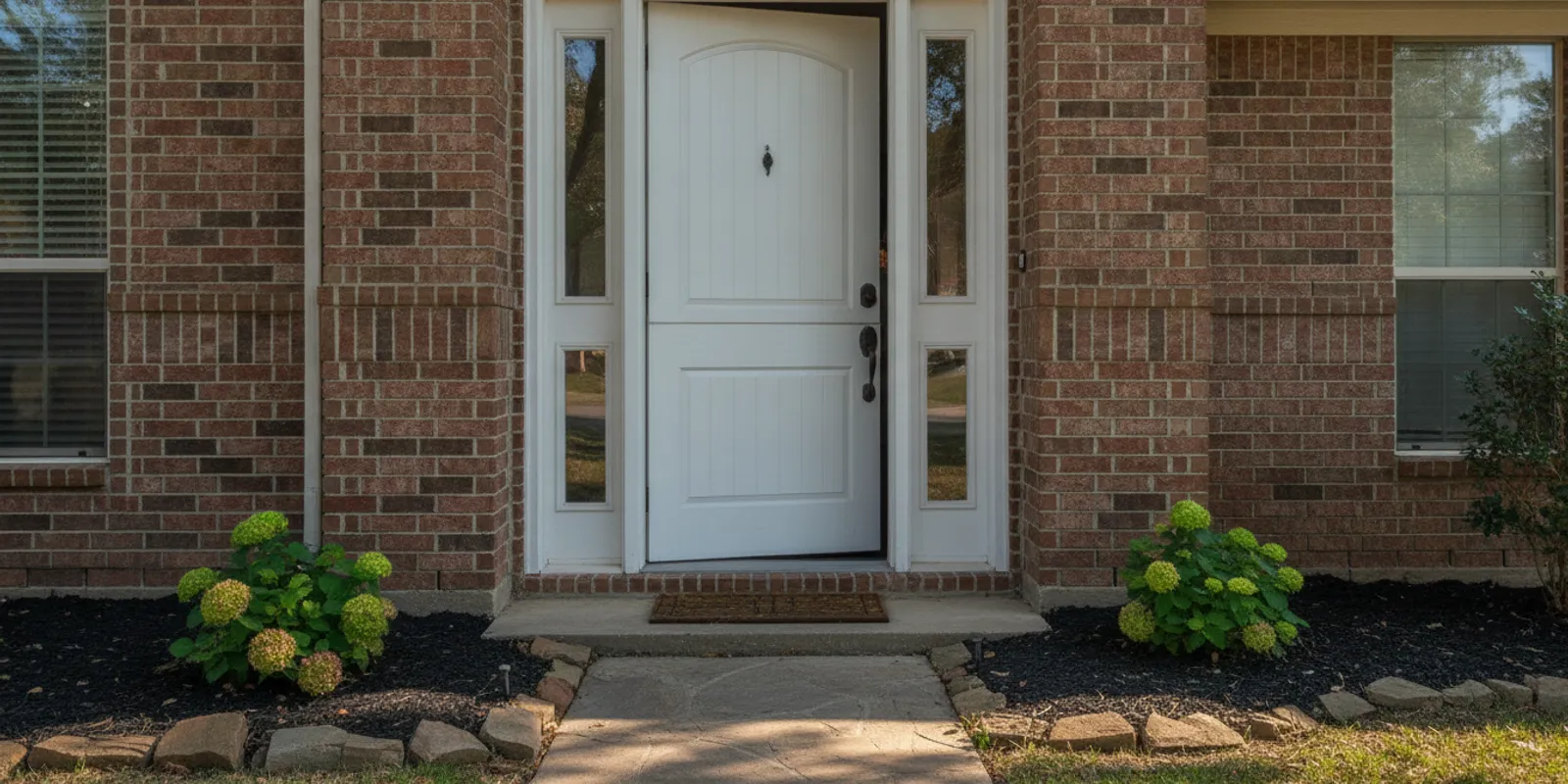
A dutch door gives an entryway a distinctive look: the door is divided horizontally so the upper and lower sections can operate separately. If you are considering a dutch door for a home in Rockwall, Dallas, Fort Worth, or elsewhere in DFW, the key question is not only whether you like the style. You will also want to think through how the opening, hardware, seals, and daily use fit your household.
What makes a dutch door different?
A dutch door, sometimes called a stable door, is one door made in two horizontal sections. The top half can open while the bottom half stays closed, or both halves can swing together when the connecting hardware is released. That split changes how the doorway works compared with a conventional single-panel entry door.
Homeowners often consider this style for its character and flexible opening. It can let in air and daylight while the lower section remains in place, and it can make a kitchen, mudroom, or porch entry feel more connected to the outdoors. But the split also creates a joint, extra hardware, and more details to inspect. The right fit depends on where it will go and how often you expect to use each half.
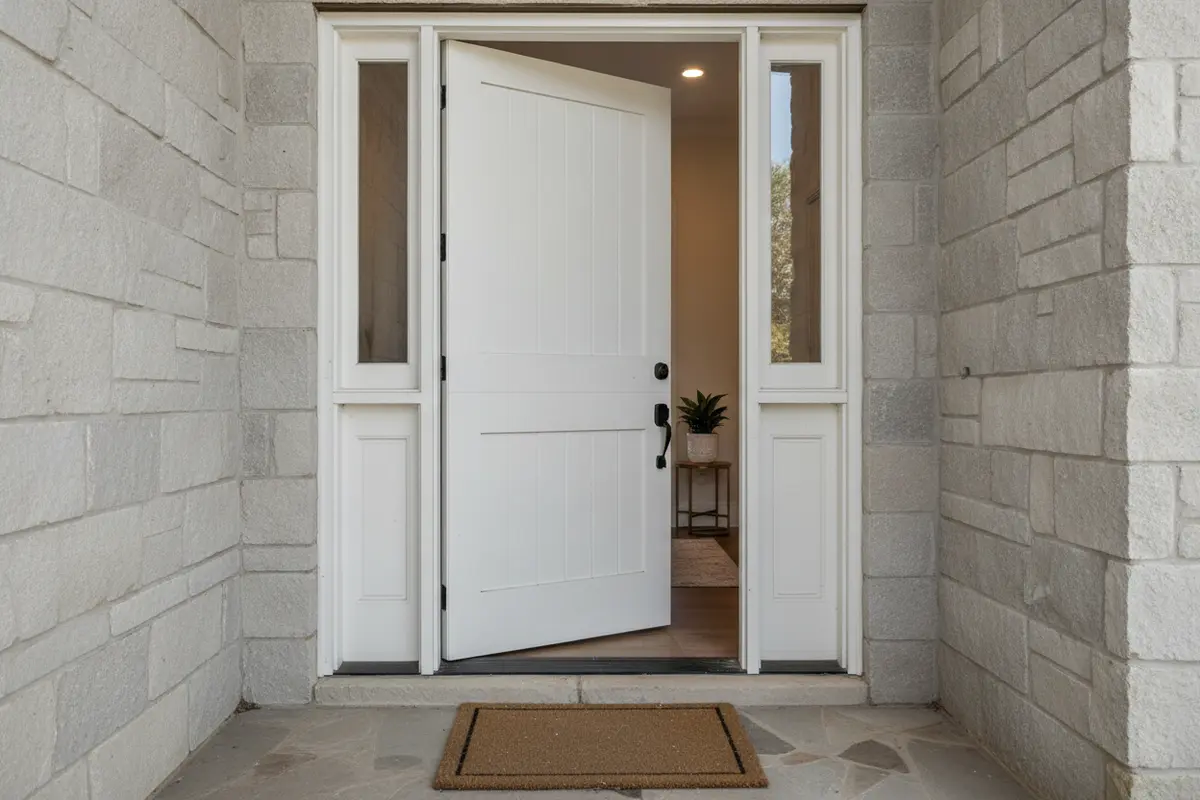
Is a dutch door a practical choice for a DFW home?
Consider the door's job before choosing a style. A front entry has different needs from a back door that opens onto a fenced yard or a door between a kitchen and a covered patio. The upper opening may be useful when you want a limited opening, but it does not replace a screen, secure latch, or careful supervision. Warm weather, wind-driven rain, dust, pets, and children can all affect how useful the design feels day to day.
DFW homeowners should also consider exposure. A door facing strong sun or weather needs materials and finishes suited to its location, along with careful fitting and sealing. The exact product options and requirements vary, so do not assume every dutch door is suitable for every exterior opening. If you are comparing a broader entry upgrade, SunSmart's exterior door replacement service information can help you frame the discussion around the opening and your priorities.
What should you compare before choosing a dutch door?
Compare complete door assemblies rather than judging by appearance alone. Ask how the two sections connect, how the top half latches, what seals the horizontal joint, and whether the assembly is intended for your specific location. Confirm the handing, swing direction, rough opening dimensions, threshold, and trim details before ordering. A careful measure and installation plan matter because alignment affects how the door closes and how its moving parts meet.
| Option | Opening and everyday use | Details to check |
|---|---|---|
| Dutch door | Upper and lower sections can be used separately, subject to the model's hardware. | Section latches, joint seals, alignment, security, and weather exposure. |
| Conventional single-panel entry door | The full door opens as one panel; the familiar setup may suit frequent passage. | Slab or prehung scope, swing, threshold, frame condition, and seals. |
| Entry door with a separate screen or storm door | The main door and outer door serve separate roles; configuration depends on the opening. | Clearance, door-swing conflicts, screen needs, hardware, and maintenance. |
This comparison is a starting point, not a specification. Models differ, and a separate outer door may not suit every entry. Consider how often people carry groceries or packages through the doorway, whether the opening faces wind and rain, and whether you need a clear view from inside. Nearby walls, steps, furniture, and traffic paths can affect the swing and the ease of using either section. If the door connects to a patio or yard, consider how it will work with the adjoining space and any existing screen. Note the features that matter most, then ask providers to explain how a proposed assembly meets those needs rather than comparing photos or product names alone. If appearance is the main reason for considering a split design, compare it with other exterior door styles and selection factors. If you are weighing a complete change rather than a new style, the DFW door replacement planning guide offers another way to organize your questions.
How do safety, privacy, and security affect the decision?
A dutch door changes the boundary between inside and outside. With the top open, people outside may see farther into the home, and sounds or air pass through the opening. Consider sightlines from the street, neighboring homes, and outdoor areas. Curtains, shades, or privacy glass may help in some settings, but each changes the look and light. Think about whether the door faces a busy walkway and whether you need to keep the interior private when the upper section is open.
For households with young children or pets, ask how the upper section is held in place and how the lower section latches. Check whether small hands could reach the operating hardware, and whether the door can be secured in the position you intend to use. Do not treat a closed lower half as a substitute for a child-safety barrier or supervision. Ask the installer to demonstrate how the sections connect and release, and make sure everyone who uses the door understands the controls.
Security deserves the same attention as on any exterior door. Ask about the lock locations, the way the two sections secure together, and what happens if one section is forced. Do not assume a split door has the same security characteristics as a single-panel door. The answer depends on its construction, hardware, frame, and installation. Have the installer explain the specific assembly rather than relying on a general label or appearance.
How can you assess energy performance and weather sealing?
For an exterior dutch door, ask how the door seals around its perimeter and across the horizontal meeting point. Confirm that the two sections close evenly and that the latches pull them into their intended position. A poorly aligned door can be difficult to operate and may leave gaps. Ask what maintenance the seals and moving hardware need, and what signs indicate adjustment is needed.
Compare product information for the specific door, including materials, glazing if present, and the manufacturer's performance details. ENERGY STAR provides a useful starting point for understanding energy-efficient products; review its official energy-efficiency resources, then verify whether the exact model and configuration you are considering meet the relevant criteria. Do not assume a rating applies to every door in a product line or to a custom configuration.
Also consider the entry as a system. The frame, threshold, weather seals, and installation all contribute to how the opening performs. Ask who will verify measurements, how the installer plans to address the existing frame and surrounding wall, and what is included in the scope. SunSmart's guide to Low-E glass may be useful if the door includes glass and you are comparing glazing features. For a wider look at energy-conscious upgrades, see the company's Texas energy-efficient windows guide.
What should you expect from measuring and installation?
Before ordering, identify the existing door type and condition. A replacement may involve the door slab alone or a larger assembly that includes the frame. Those are different scopes. Have the opening measured at more than one point, and discuss out-of-square conditions, rot or damage, trim, flooring, and the threshold. Do not order based only on the nominal size of the existing door.
- Clarify the use. Decide whether the door is an exterior entry, an interior divider, or a passage to a covered area. Note who uses it and what you want the split opening to accomplish.
- Confirm the opening. Review width, height, frame condition, swing, and nearby walls or furniture. Ask whether the selected product is made for the intended location.
- Review the complete hardware plan. Discuss locks, top-to-bottom connectors, handles, hinges, and how each section will operate.
- Agree on the installation scope. Ask what will be removed, what will be fitted or sealed, how surrounding trim will be handled, and how the finished door will be checked.
- Test the finished operation. Operate both sections, test the latches, inspect the visible seals, and ask for care instructions before the work is considered complete.
For custom sizes or unusual openings, browse SunSmart's custom opening guidance as an example of why accurate dimensions and planning matter, then ask specifically which door products and installation options fit your project. You can also review the company's approach to professional guidance before arranging a conversation.
How should you compare proposals for a dutch door?
Ask each provider to describe the same scope so you can compare like with like. A useful proposal should identify the door configuration, material and finish, glass if applicable, hardware, frame work, sealing, trim, and any site preparation. Ask what is excluded, how changes are handled if the opening differs from expectations, and what product documentation is supplied. Do not rely on a verbal description such as “standard installation” if the details affect your home.
Check that the installer has accounted for the split joint, not just the outer perimeter. Ask how the sections will be aligned, how the connection hardware works, and how the finished installation will be tested. Discuss upkeep in plain terms: which parts need inspection, what cleaning products are appropriate for the finish, and who to contact if the door does not latch smoothly. The answers help you understand both the initial work and the care the design may require.
A considered consultation should leave room for questions. Bring photographs of the existing entry, notes about drafts or sticking, and a list of the features you want to preserve or change. Ask the provider to explain which measurements are needed, what choices affect the scope, and what happens if the opening needs additional preparation. SunSmart describes an education-first process centered on measurements, product details, and professional installation, without requiring you to make a decision on the spot. To see how the company approaches window and door work across the area, visit its window and door services page or the local Rockwall service page and Dallas service page. Choose the page relevant to your location and confirm service details directly.
Plan a no-pressure door consultation
Frequently asked questions
Can you open just the top half of a dutch door?
Many dutch door designs allow the upper section to open independently, but the exact operation depends on the model and its hardware. Confirm how the sections connect and latch before choosing a specific product.
Is a dutch door a good choice for a front entrance?
It can be considered for a front entrance, but evaluate privacy, security, weather exposure, and the way the opening will be used. Ask whether the particular product is intended for exterior use and how both sections secure.
Does a dutch door keep out drafts?
That depends on the door's construction, fit, seals, and installation. Ask how the perimeter and horizontal joint seal, and inspect that both sections close and latch evenly after installation.
Is a dutch door safe for a home with children or pets?
Safety depends on the specific hardware, how the door is used, and the household. Discuss reachable latches and the security of each section, and do not use an open upper half as a substitute for supervision or an appropriate safety barrier.
What should I ask before ordering a dutch door?
Confirm the intended location, exact measurements, swing, frame scope, materials, seals, locks, and installation plan. Ask for product details in writing and have the installer explain how to operate and maintain both sections.
A dutch door can be an appealing and useful design when its split opening suits your daily routine. Compare the full assembly, ask specific questions about fit and security, and make the decision after you understand how it will work in your home.