
Guide
Repair or Replace: Two-Story Home Windows
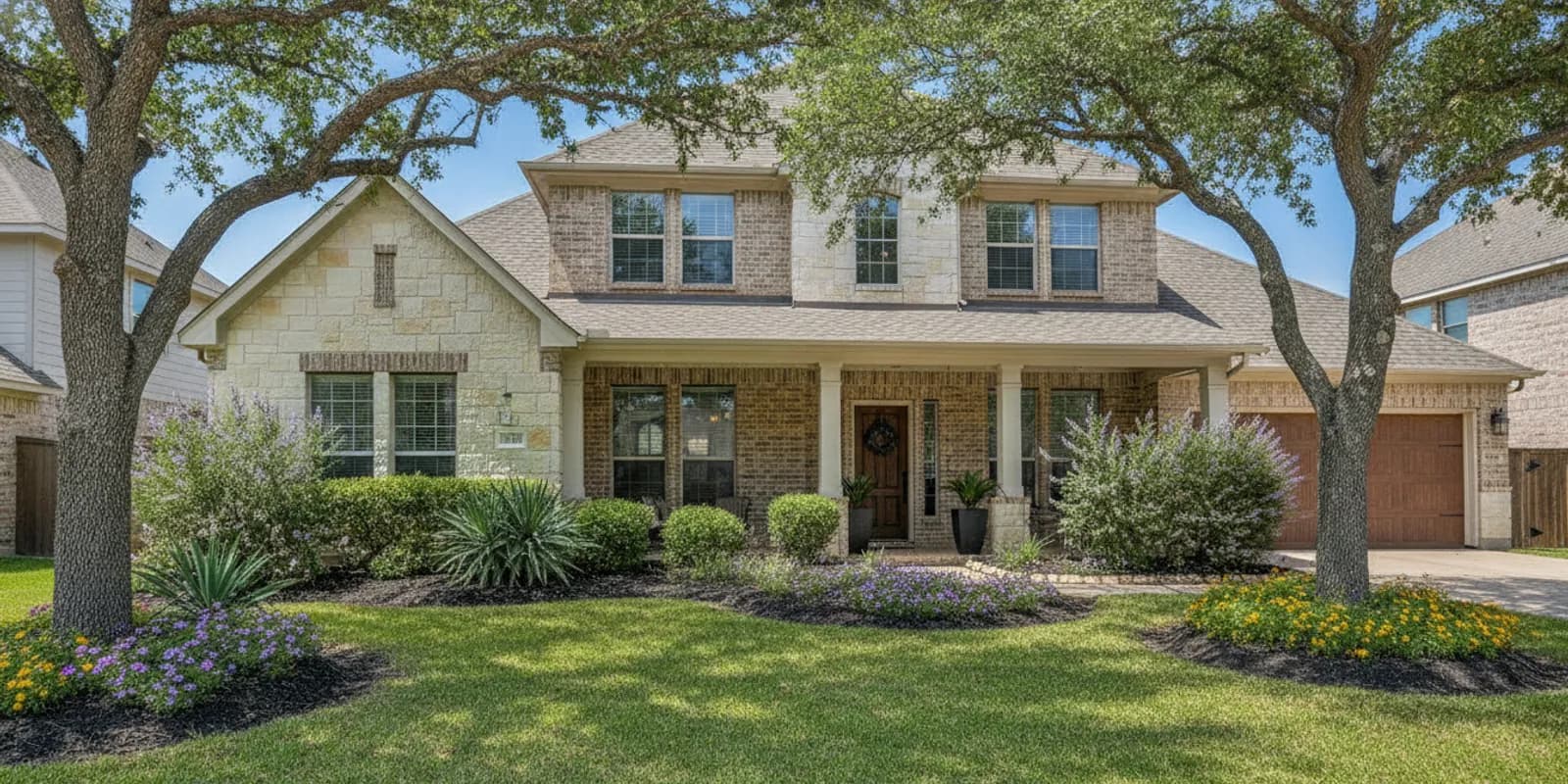
Deciding what to do with two-story home windows starts with the condition of each window, not simply its height. An upper-floor window may need a focused repair, while another on the same wall may have frame damage or persistent comfort problems that make replacement worth discussing. For homeowners in Rockwall, Dallas, Fort Worth, and across DFW, separating the window issue from the access issue helps make a clearer plan.
Request a no-pressure window consultation
What should you check before repairing or replacing two-story home windows?
Start by recording what you notice, which room it affects, and whether the problem is limited to one window. Height can make an inspection or installation more involved, but it does not tell you whether the window itself is beyond repair. Look for patterns across the home and describe symptoms rather than guessing at the cause.
- Operation: Does the sash open, close, and stay in position as expected? Note sticking, loose hardware, or a lock that does not engage.
- Glass: Is a pane cracked, or is there persistent moisture or fogging between panes? Note when you see it. Surface condensation and moisture sealed between panes are different observations.
- Frame and surrounding trim: Look from a safe position for visible gaps, soft or damaged material, peeling finishes, or signs of water intrusion. Do not climb or lean out to inspect an upper floor.
- Comfort: Is the room noticeably drafty, hot, cold, or noisy compared with nearby rooms? Note the time of day and weather conditions.
- Scope: Is the concern isolated to one opening, several windows on one elevation, or windows throughout the home?
A symptom is useful information, but it is not a diagnosis. For example, a draft can be related to the window, its seals, the installation, or another part of the building envelope. A qualified assessment should identify what is being evaluated and explain whether a repair addresses the cause or only one symptom.
For an overview of residential window replacement, review the work involved and bring your questions to an assessment. SunSmart's approach is to explain the condition and options before discussing a project scope.
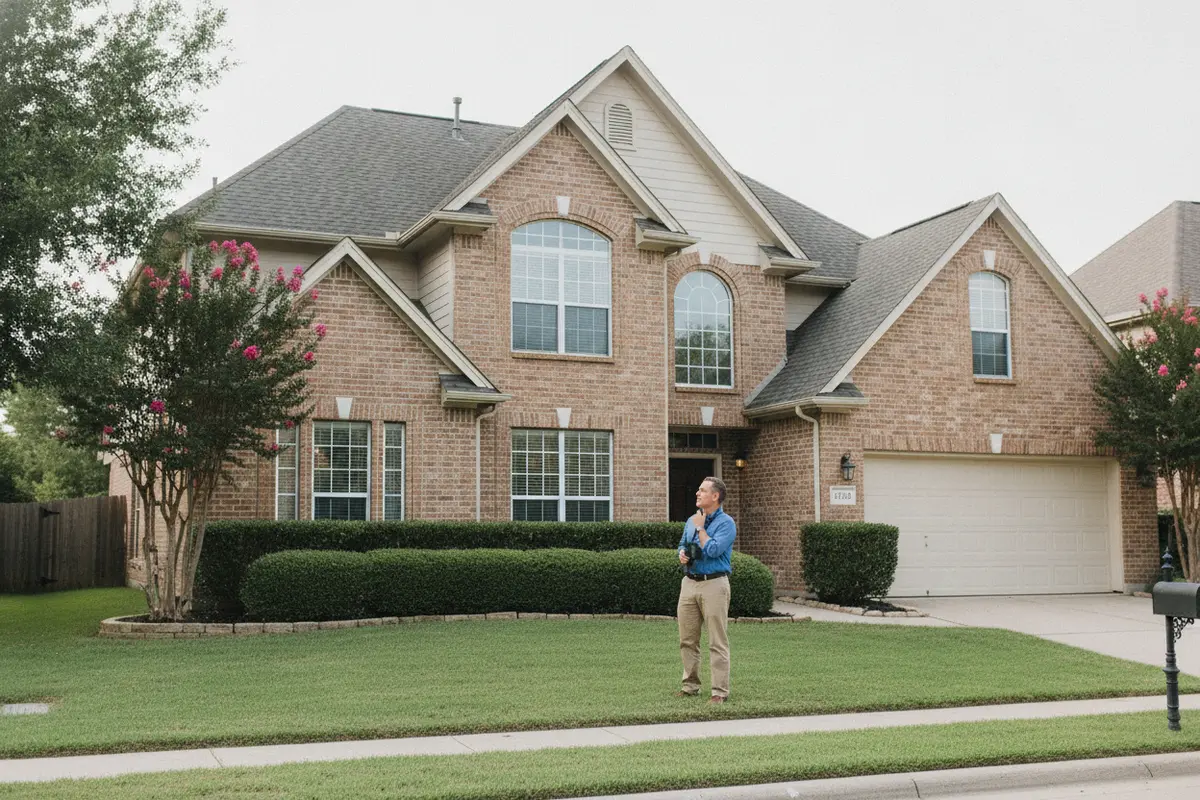
When can a repair make sense for two-story home windows?
A repair may be reasonable when the issue is limited, the frame and surrounding opening remain sound, and the repair can restore the function you need. Examples can include adjusting or replacing hardware, addressing a small localized issue, or replacing a broken pane where the rest of the window is in suitable condition. The right approach depends on the window design and what an inspection finds.
Repair is worth asking about when:
- The window frame appears intact, with no evidence of continuing moisture damage.
- The sash or lock is the main problem and the affected part can be serviced.
- The glass damage is isolated and the remaining window performs as expected.
- You want to address a specific issue before deciding whether a larger project is appropriate.
Ask what the repair includes, what it will not address, and how the result will be checked. A small repair may solve an operation problem without changing the glass or frame performance. Likewise, repairing one opening does not automatically resolve drafts or comfort concerns elsewhere in the room. Have the professional distinguish between the confirmed condition and any possible contributing factors.
Access is a separate planning question. Upper-story work may require appropriate equipment and safe work practices, even when the repair itself is small. Do not try to diagnose an exterior issue from a ladder or remove components yourself at height. Take photographs from inside or from the ground if you can do so safely, then share them during an assessment.
When does replacement become the stronger option?
Replacement is worth considering when an assessment finds substantial frame deterioration, recurring problems that a repair has not resolved, a failed component that is not practical to restore, or several windows with similar performance concerns. It can also make sense when you are planning a broader update and want to compare the condition of all the openings together.
Replacement does not have to mean replacing every window in a two-story home. A measured plan can identify which openings need attention now, which can remain in service, and whether work should happen in phases. The decision should account for the condition of the window and the surrounding opening, your goals for comfort and operation, and how the installation will be completed.
Ask the installer to explain the proposed replacement method. An insert-style replacement generally works within the existing frame when that frame is suitable to retain. A full-frame replacement removes more of the existing assembly and may be considered when the frame or opening condition calls for it. The appropriate method is specific to the opening, so request a clear explanation of what will be removed, retained, sealed, and finished.
For a home with mixed conditions, a room-by-room list can prevent the project from becoming broader than necessary. Record each window's location, operation, visible condition, and priority. A contractor should explain why each opening is included rather than treating all upper-floor windows as one automatic replacement group.
How does upper-floor access affect the repair or replacement plan?
Work at height can affect staging, crew access, protection of landscaping, and the order of installation. It does not, by itself, determine whether repair or replacement is the right choice. A useful plan addresses the specific access conditions at your home before work begins.
During a consultation, discuss:
- Interior access: Identify furniture, window coverings, or other items near each opening that may need to be moved.
- Exterior access: Mention slopes, patios, decks, fences, trees, or other features near the walls. These can affect where equipment or materials can be positioned.
- Protection: Ask how floors, furnishings, landscaping, and nearby surfaces will be protected during the work.
- Sequence: Confirm which rooms and elevations are planned for each work period, and what access the crew will need.
- Cleanup and inspection: Ask how the completed openings will be checked and what cleanup is included.
Do not assume that an upper window requires a particular installation method or that the work will take a fixed amount of time. The number of openings, site access, window specifications, and any conditions found after work begins can all affect the plan. Ask for the expected sequence and how unexpected conditions will be discussed before a change is made.
A practical way to prepare is to sketch a simple floor-by-floor window map before the appointment. Label each opening by room and wall, such as “upstairs bedroom, front-facing,” then mark the symptom and when you noticed it. This keeps similar-looking windows from being confused during a walkthrough and helps connect a comfort complaint to a specific location. Add notes about nearby furniture, window treatments, a sloped yard, or a deck that could affect access. If the concern changes with direct sun, rain, or a particular time of day, include that detail. The map does not need exact measurements; the purpose is to make observations repeatable and help the professional inspect the right openings. Keep any photos paired with the corresponding room label, and take them only from a safe place.
How do repair and replacement options compare?
This comparison is a starting point for a conversation, not a substitute for an inspection. The actual scope depends on the window and opening condition.
| Option | May fit when | What to clarify | Access planning |
|---|---|---|---|
| Focused repair | The problem is limited to a serviceable part and the rest of the assembly is in suitable condition. | What specific issue will be corrected, and what existing conditions will remain? | Confirm how the technician will reach and safely work at the upper opening. |
| Glass or hardware service | The concern is limited to glass or an operating component rather than broader frame condition. | Will the service address the observed symptom, and how will function be checked afterward? | Discuss equipment, room access, and protection around the opening. |
| Insert replacement | The existing frame is suitable to retain and the selected replacement fits the opening and goals. | Which portions remain, and how will fit, sealing, and finish be handled? | Plan access for removing and setting the replacement unit on the upper floor. |
| Full-frame replacement | The assessment indicates the existing frame or opening should not simply be retained. | What will be removed, what conditions could be revealed, and how will they be communicated? | Review exterior staging, interior protection, and the work sequence. |
The table does not rank one option as best for every home. Ask for the reasoning tied to each specific opening, including what is known, what remains uncertain, and what would change the recommendation.
What should DFW homeowners consider when comparing new windows?
If replacement is appropriate, compare the complete window and installation plan rather than choosing by one feature alone. Think about the room's exposure, how you use it, privacy, ventilation, appearance, ease of operation, and comfort. A south- or west-facing room can experience different sun exposure from a shaded room, so describe where the concern occurs instead of assuming every elevation needs the same specification.
Glass options can affect how much solar heat and light pass through, while frame material, seals, installation, and the fit of the window also matter. ENERGY STAR provides information for comparing efficient windows and doors; use its official resources as one reference, then ask how a proposed product's performance information relates to your home's needs. Avoid relying on a single label or feature as a promise of a particular bill reduction.
For DFW homes, it is practical to ask how a proposed selection addresses strong sun, seasonal temperature changes, and the specific room's comfort goals. Do not assume that a window designed for a different climate or exposure will be the right fit. SunSmart offers vinyl window options and custom windows; the right choice depends on the opening, home, and priorities being discussed.
Check that the recommendation specifies the type, size, operation, glass package, and relevant options for each opening. Ask how measurements are verified before manufacturing and how the installer will address fit and sealing. For additional background on efficiency features, see SunSmart's guide to Low-E glass and argon, then ask which details apply to the windows under consideration.
How can you make a clear decision without overcommitting?
A good assessment should leave you better informed, whether you choose repair, replacement, or no immediate work. Before agreeing to a scope, request a written breakdown that identifies each opening, the observed condition, the recommended work, and any optional items. Separate necessary work from upgrades you are considering for comfort or appearance.
- List the symptoms: Note the room, window location, operation issue, visible damage, and when the concern occurs.
- Ask what was inspected: Confirm whether the review covered the sash, glass, frame, seals, and surrounding opening as relevant.
- Compare alternatives: Ask whether a repair is possible, what it would solve, and why replacement is or is not recommended.
- Review specifications: For replacement, confirm the product and installation details for each opening, including upper-story access and protection.
- Understand the sequence: Discuss timing, work areas, cleanup, and how newly discovered conditions will be handled.
- Take time to decide: Compare the explanation and scope against your priorities. A clear consultation should allow you to make an informed choice without pressure.
SunSmart serves homeowners in Rockwall, Dallas, Fort Worth, and the wider DFW area. If you are preparing for an assessment, the guide on getting ready for window replacement day can help you think through room access and preparation. You can also review local information for Rockwall, Dallas, or Fort Worth.
Discuss your window options with SunSmart
Frequently asked questions
Does a second-story window always need replacement if it is hard to reach?
No. Height affects access and work planning, but the condition of the window determines whether repair or replacement may be appropriate. Have the opening assessed safely and ask for the reason behind the recommendation.
Can I replace only the upper-floor windows?
Possibly. A project can be scoped by opening or phase when that makes sense for the home's condition and your priorities. Ask the installer to assess upper and lower windows separately and explain any reason to group work together.
Is a draft enough to prove that a window needs replacement?
No. A draft is a symptom, not a diagnosis. The cause may involve the window, its seals, installation, or another part of the home's envelope. Ask what was checked and whether a repair can address the identified cause.
Should I climb a ladder to inspect an upper-story window?
No. Do not put yourself at risk to inspect or photograph a window. Note what you can see safely from indoors or from the ground and share those observations during a professional assessment.
What should I ask about upper-floor installation?
Ask how the crew will access the opening, protect the interior and exterior, sequence the work, verify the installation, and handle any conditions discovered during removal. Clear answers help you understand the plan before work begins.
The best choice for two-story home windows is the one that addresses the verified condition of each opening and fits your comfort, access, and project priorities. A careful comparison of repair and replacement options can help you make that decision with confidence.