
Guide
Window Replacement Dallas Energy Efficiency: How New Windows Boost Value and Cut Bills
Replacing old single-pane or basic dual-pane windows with ENERGY STAR certified units featuring a .30 U-factor or lower and a low SHGC creates a tight thermal seal against the Texas sun. The EPA estimates 7 to 15 percent savings on energy bills, and most homeowners recover 70 to 80 percent of the cost at resale.
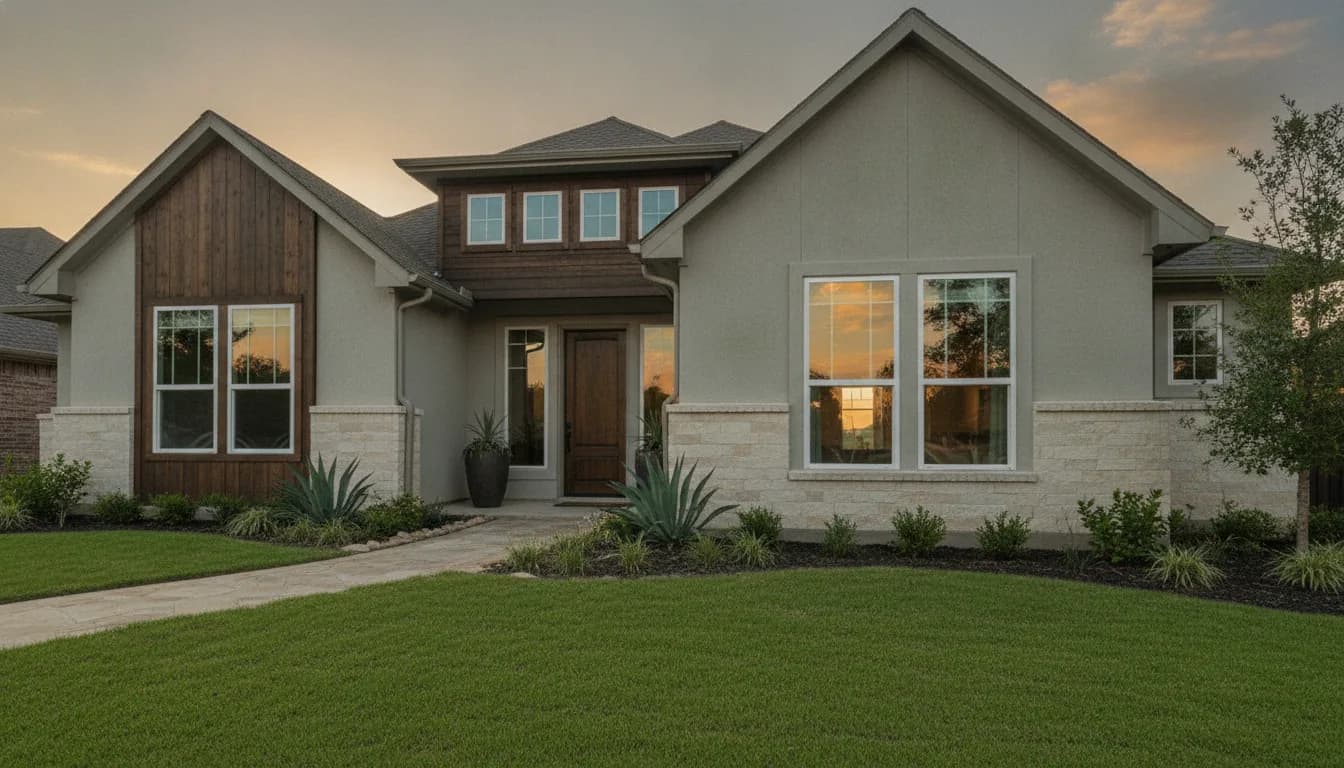
How New Windows Increase Dallas Home Value
New windows do more than improve your view. They signal to potential buyers that the home has been maintained and upgraded with energy efficiency in mind. The National Association of Realtors reports that window replacement consistently ranks among the top home improvement projects for resale value. In the DFW market, where summer heat dominates, energy-efficient windows are a major selling point.
Windows cover a significant portion of your home's exterior. Old, foggy, or warped frames make the entire house look dated. New, clean windows with modern profiles instantly update the look of your home. Buyers notice this before they even step inside, and a fresh set of quality windows tells them the home was well cared for.
According to the Remodeling Cost vs. Value Report, mid-range vinyl window replacement recovers about 70 to 80 percent of its cost at resale nationwide. In hot climates like Dallas, that number can be even higher because energy-efficient windows are a priority for local buyers, so new windows become a value-add that pays off when you sell.
Dallas continues to be one of the fastest-growing metro areas in the country. A home with upgraded windows and doors stands out in a crowded market, and buyers in the $400,000-plus range increasingly expect energy-efficient features. Replacing old windows now builds equity and positions your home to sell faster and at a higher price when the time comes.
Energy Efficiency Gains from New Windows in Texas
Windows are responsible for 25 to 30 percent of residential heating and cooling energy use, according to the U.S. Department of Energy. In a Dallas home with original single-pane windows from the 1990s or earlier, that number climbs even higher. Old glass conducts heat directly into your living space, and on a 100-degree Texas afternoon single-pane windows act like a radiator, pushing outdoor heat inside and forcing your AC to run nonstop.
Upgrading to double-pane windows with Low-E coating and argon gas fill changes this equation. The Low-E coating reflects infrared heat back outside while letting visible light through, and the argon between the panes adds insulation. A window with a .30 U-factor or lower keeps indoor temperatures stable without overworking your HVAC system.
Dallas falls in the South-Central climate zone, which has specific ENERGY STAR requirements. For maximum efficiency, look for windows with a U-factor of .30 or lower and a Solar Heat Gain Coefficient of .25 or lower. The low SHGC matters most here, because it measures how well the window blocks heat from the sun in a region that gets intense, direct sunlight most of the year.
Thermal bridging happens when heat flows through solid materials like window frames and wall studs, bypassing insulation. Aluminum frames are notorious for this, and a metal frame can become hot to the touch on a summer afternoon. Modern vinyl and fiberglass frames have built-in thermal breaks, and proper installation with foam insulation around the frame eliminates the drafts and hot spots that plague older Dallas homes.
Best Window Types for the Texas Climate
Choosing the right window for your Dallas home means balancing energy performance, durability, and budget. Texas weather demands windows that handle intense UV exposure, humidity, hail, and temperature swings from freezing winter nights to 105-degree summer afternoons.
Double-pane windows with Low-E coating and argon gas fill are the standard for energy-efficient Dallas homes, offering an excellent balance of performance and value. Triple-pane windows add an extra layer of glass and gas for slightly better insulation and noise reduction. For most Dallas homeowners, high-quality double-pane windows deliver all the energy savings needed.
| Frame Material | Cost per Window | Energy Performance | Durability | Maintenance |
|---|---|---|---|---|
| Vinyl | $300-$700 | Good (built-in thermal break) | High (won't rot or rust) | Low (wipe clean) |
| Fiberglass | $500-$1,200 | Excellent (low U-factor) | Very high (resists warping) | Very low (paintable) |
| Aluminum | $200-$500 | Poor (conducts heat) | High but transfers heat | Low |
| Wood | $400-$1,000 | Good | Medium (prone to rot) | High (paint and seal regularly) |
| Composite | $600-$1,300 | Excellent | Very high | Low |
Low-E (low-emissivity) coating is a microscopically thin metallic layer on the glass that reflects infrared heat back to its source while letting visible light pass. In summer it keeps outdoor heat out; in winter it reflects indoor heat back inside. Argon gas, which is denser than air, is injected between the panes to reduce heat transfer. Together, Low-E coating and argon gas fill are the most effective combination for Dallas homeowners serious about energy savings.
Door Replacement: The Missing Piece of the Energy Puzzle
Windows get most of the attention, but old doors are a major source of energy loss too. A warped or uninsulated entry door can leak as much conditioned air as a drafty window. In Dallas, where the temperature difference between indoors and outdoors can exceed 50 degrees, every gap matters.
Modern fiberglass and steel entry doors come with polyurethane foam cores that provide excellent insulation, and a well-sealed, insulated entry door with weatherstripping significantly reduces drafts. Sliding glass doors are another common weak point. Replacing an old single-pane sliding door with a modern Low-E double-pane unit cuts heat transfer and improves comfort in rooms that open to the patio or backyard.
Replacing windows and doors together makes practical and financial sense. Crews set up once, address the whole building envelope, and ensure consistent flashing and weather sealing around every opening. When your entire home exterior is sealed with high-performance windows and doors, your HVAC system runs less frequently and your monthly bills decrease noticeably.
What to Expect During a Window Replacement in Dallas
Replacing windows is a straightforward process when you work with an experienced local installer. A typical whole-home window replacement project in Dallas takes one to three days, depending on the number of windows and the complexity of the installation.
- Free consultation and measurement: a project advisor visits your home, measures each opening, discusses your goals and budget, and recommends the best window types. You receive a clear, itemized quote with no pressure.
- Product selection: choose frame material, glass package, color, grille pattern, and hardware. SunSmart offers samples so you can see how each option looks before committing.
- Scheduling and prep: the team schedules the install at your convenience, stages materials, protects landscaping, and sets up work areas to minimize disruption.
- Professional installation: each old window is removed carefully, the opening is inspected for rot or water damage, and the new window is set, leveled, shimmed, and foamed around the frame for an airtight seal.
- Trim and cleanup: interior and exterior trim is installed or replaced, all debris is hauled away, and the property is left clean.