
Guide
How Much Do Replacement Windows Cost? What Actually Drives the Price
There is no honest flat answer, and you should be wary of anyone who gives you one. Replacement window cost is driven by five things: the size of the opening, the frame material, the glass package, how many windows you are replacing, and whether the full frame is replaced or an insert is dropped into the old one.
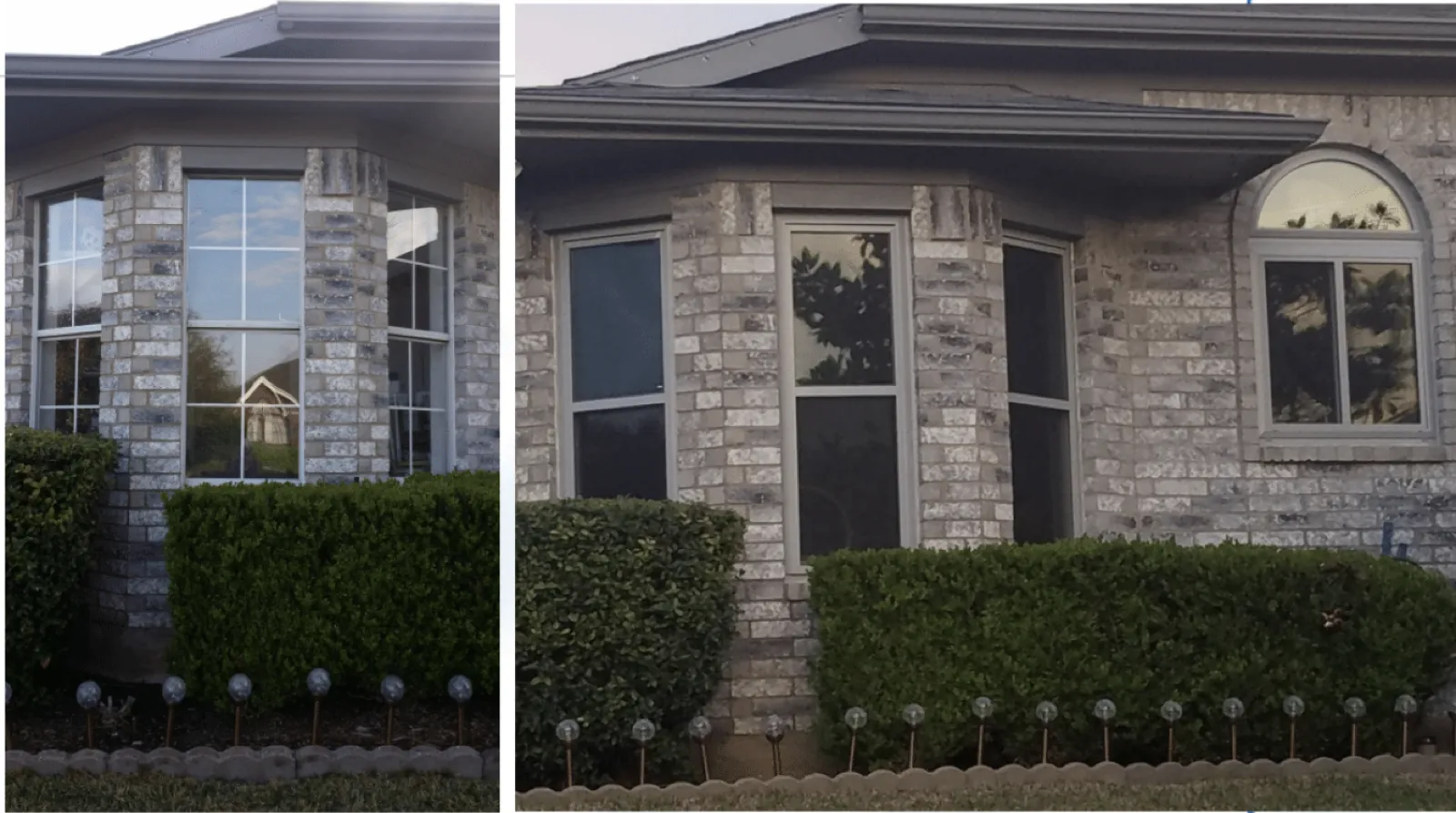
Why nobody can quote you a price over the phone
Because the number depends on things that can only be seen and measured. Two houses on the same street, both wanting "eight windows replaced", can differ by a wide margin — one has square, sound openings that take a stock size; the other has a bay, two arches, and a frame that has been quietly taking on water for a decade.
A company that quotes you before measuring is either padding the number to protect itself, or lowballing it to get in your door and revising upward later. Neither is a company you want cutting into your walls.
The five things that actually move the number
| Cost driver | What pushes it up | What to ask the estimator |
|---|---|---|
| Size of the opening | Bigger glass, and anything that isn't a standard rectangle — arches, bays, round-tops. | "Which of my openings are standard sizes, and which need to be made to fit?" |
| Frame material | Wood costs more up front and adds maintenance forever. Aluminum is cheap but conducts heat. | "What frame material are you quoting, and what does its warranty actually cover?" |
| Glass package | Double-pane with a Low-E coating and argon fill costs more than plain glass — and is most of why the window works. | "What's the U-Factor and SHGC of the glass you're quoting?" |
| Number of openings | More windows costs more in total, but the per-window price usually improves — the crew and the setup are already there. | "What changes if I do the whole house instead of just the west side?" |
| Full-frame vs insert | Full-frame costs more because it's more work. It's also the only version that seals the opening. | "Are you replacing the frame, or fitting into the one that's there?" |
Full-frame vs insert: the difference nobody explains
An insert window drops a new sash into your existing frame. It's faster and it's cheaper, and if your frame is genuinely square and sound, it's a legitimate choice.
A full-frame replacement takes the whole frame out, so the opening itself can be sealed. It costs more. It's also the only option that fixes a frame that was never sealed properly — and if that's what you have, an insert simply hides the problem behind a nicer-looking window. You'll have paid to keep your draft.
This is the single biggest line-item difference between two quotes that look otherwise identical. If one company is meaningfully cheaper than another, this is the first place to look.
Where the money comes back
New windows are usually sold on energy savings, so it's worth being precise about what that actually means. The EPA publishes a figure:
“Replacing old windows with ENERGY STAR certified windows lowers household energy bills by an average of up to 13 percent nationwide when replacing single-pane windows.”
Read that carefully, because the qualifiers are doing real work. It's a national average, not a promise about your house. It's for replacing single-pane windows — if you already have double-pane units in decent shape, expect considerably less. And it's an average across every climate in the country, from Minnesota to Florida.
Anyone who converts that into a specific dollar figure for your home, before measuring it, is making it up.
How to read a window quote without getting played
Run every quote you get — including ours — through these five questions. A company that can answer all of them plainly is a company doing the work properly.
- Is this full-frame or an insert? If they get vague here, that is the answer.
- What are the U-Factor and SHGC of the glass? These are printed on the sticker. A salesperson who doesn't know them is selling, not advising.
- What exactly does the warranty cover, and is it in writing? "Lifetime" is a marketing word until you read what it excludes.
- Is this discount real, or is it a markdown from a number you invented? A price that drops when you stand up to leave was never the price.
- What happens if you open the wall and find rot? Get the answer before the wall is open, not after.
What we do instead
Every SunSmart job starts with a free in-home consultation where we measure, show you what your openings are actually doing, and explain materials and energy performance — before anyone says a number. Sometimes that conversation ends with a homeowner deciding to wait a year. That's a fine outcome, and it's a lot cheaper than a window you were talked into.