
Guide
Condensation Inside Window Panes Cause: What It Means
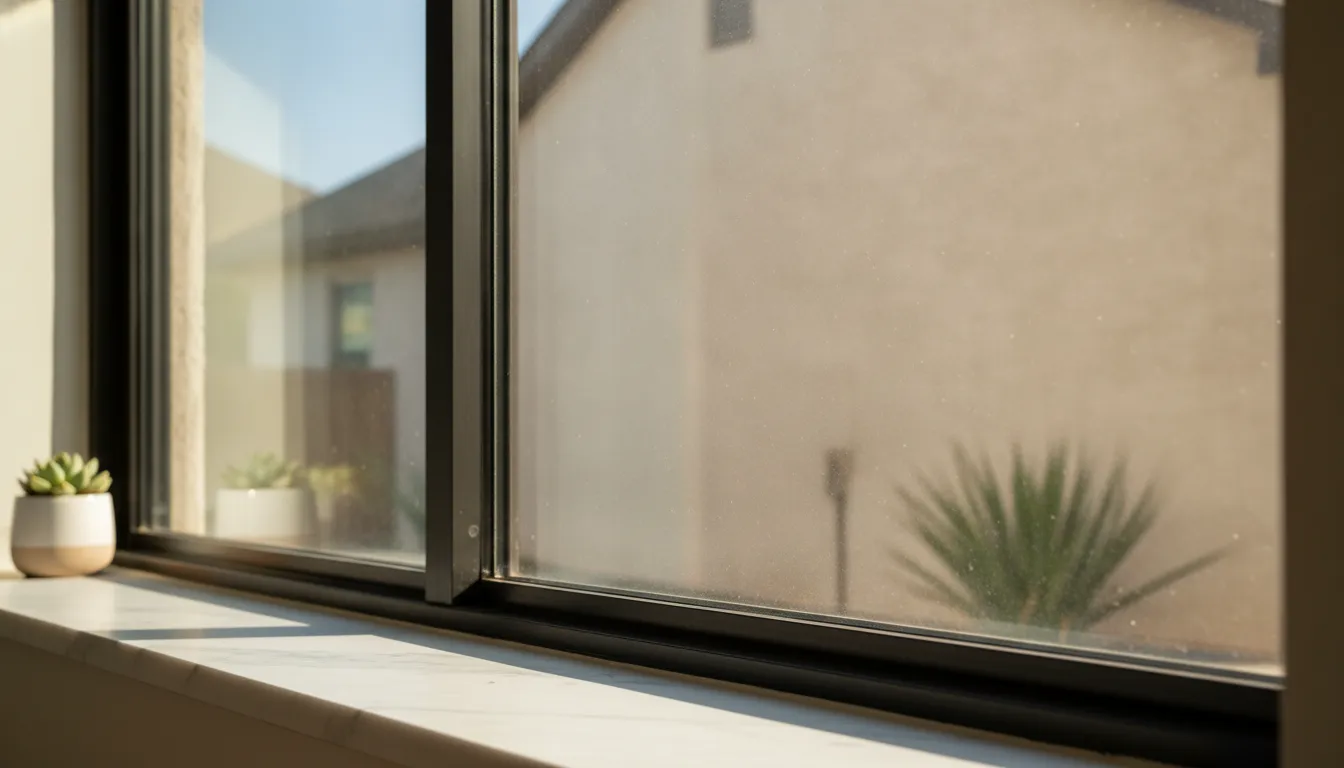
Foggy glass can be more than a cleaning problem. When moisture appears between two panes, it is trapped inside the sealed insulating glass unit. Where it can obscure the view and signal that the window is no longer performing as designed. The right next step depends on where the moisture is located and how the window is built.
If you are searching for the condensation inside window panes cause, look first at the seal between the glass layers. A failed seal can let air and water vapor into the insulated space. While condensation on the room-side surface usually comes from warm, humid indoor air meeting cooler glass. Those are different problems with different solutions.
Understanding that distinction helps you avoid treating a sealed-unit problem like ordinary household humidity. From there, a closer look at how insulated glass units work can clarify what the fog means. Whether the issue is limited to the glass unit, and when a professional assessment makes sense.
What causes condensation inside window panes?
The first step is identifying where the moisture is located. Condensation on the room side of the glass usually comes from warm, humid indoor air contacting a cooler window surface. Cooking, showering, drying clothes, and limited ventilation can all add moisture to the air. Pella recommends using kitchen and bathroom exhaust fans after cooking or showering to help manage indoor humidity. This type of condensation may be a household moisture issue rather than a failed window seal.
Moisture that appears between the glass layers is different. Most double-pane windows are built with an insulating glass unit, or IGU. An IGU joins two panes around a sealed space designed to reduce heat transfer. Depending on the product, that space may contain insulating gas. When the perimeter seal fails, air and water vapor can enter the cavity, and the insulating gas can escape. The result may look like fog, haze, droplets, or even liquid trapped between the panes.
That distinction is central to understanding the condensation inside window panes cause. A room-side film can often change with indoor conditions, ventilation, or temperature. Between-pane moisture remains inside the sealed unit because it is not forming on the accessible surface that you can wipe clean. A failed seal can have several contributing causes, including manufacturing or installation issues, along with the effects of exposure and age. A professional assessment can help determine whether the problem is limited to the glass unit or involves the surrounding sash and frame.
Use the location of the moisture as your first clue
- Room-side condensation: Moisture forms on the interior-facing glass when warm, humid air meets a cooler surface. It may vary with weather, heating or cooling, and indoor activities.
- Between-pane condensation: Fog, haze, mold-like marks, or liquid inside the sealed cavity generally point to an IGU seal problem, not simply high indoor humidity.
- Exterior condensation: Water on the outdoor-facing surface can occur when outdoor conditions make that glass cooler than the surrounding air. Its presence alone does not prove a window has failed.
SunSmart commonly hears from homeowners in Rockwall, Dallas, Fort Worth. And the wider DFW area who notice fog or condensation between panes and want to understand the cause before choosing a solution. The observation is a reason to assess the window, not an automatic instruction to replace every window in the home. A precise inspection can clarify what failed and what level of repair or replacement makes sense for the existing construction.
Sources: Pella's window condensation guidance and Glass Doctor's explanation of condensation between window panes.
Is condensation between panes a sign you need new windows?
Not necessarily. Condensation trapped between panes is a strong signal that the insulating glass unit, or IGU, may have lost its seal. That matters because the sealed space between glass layers is designed to limit heat transfer. A failed seal can let air and water vapor enter, and may allow insulating gas to escape. It does not automatically mean every window in the home needs full replacement.
Start by confirming where the moisture is located. Condensation on the room-side surface usually forms when warm, humid indoor air contacts cooler glass. Using exhaust fans after cooking or showering may help manage that indoor moisture. Fog, haze, droplets, or liquid that remain inside the glass assembly point to a different issue and deserve a closer assessment.
What to assess before choosing a replacement scope
A professional evaluation should look at the affected unit, the surrounding frame, and the window's role in the home's comfort and performance. The goal is to determine whether the problem is isolated to one sealed glass unit or connected to broader concerns such as drafts. Difficult operation, visible deterioration, or repeated failures.
- Single-unit decision: If the frame and sash are sound and the issue is limited to one failed IGU. Replacing the glass unit or sash may be a practical option, depending on the window's construction.
- Broader replacement decision: If several windows show fogging, the frames are deteriorating, or the home also has drafts and comfort problems, a wider replacement plan may deserve consideration.
- Performance decision: If replacement is appropriate, compare the existing assembly with the proposed glass package, frame, installation method, and expected fit for the home. The right choice depends on the existing window, product selection, installation, and home conditions.
| Observation | Likely meaning | Next step |
|---|---|---|
| Room-side moisture | Indoor humidity | Review ventilation |
| Fog between panes | Possible seal failure | Request an assessment |
| Fog plus drafts | Broader issue | Discuss repair scope |
See double-pane window construction. You can also review how Low-E glass and argon support an insulated glass package.
For homeowners in Rockwall, Dallas, Fort Worth, and the wider DFW area. The most useful next step is a precise assessment rather than an assumption based on fog alone. It should identify the failed component, document any related performance concerns, and separate a single-window repair or replacement need from a whole-home project.
Can fogged windows be repaired or do they need replacement?
Fogged glass is usually a sign that moisture has entered the sealed space between panes. In a double-pane window, that space helps reduce heat transfer. Once the insulating glass unit, or IGU, seal fails, the window can lose part of the performance it was designed to provide. The visible haze may be frustrating, but it is also useful diagnostic information.
Wiping the room-side glass will not remove moisture trapped inside the unit. Some defogging services drill small holes or otherwise remove visible moisture, which may improve appearance for a time. However, moisture removal alone does not restore the original insulating performance of a sealed double- or triple-pane unit, according to this explanation of window seal failure. It also may not address damage to coatings, spacers, or other components inside the unit.
What can be replaced?
The right repair depends on the window's construction and the condition of the surrounding parts. If the frame is sound and the problem is limited to the insulated glass, a contractor may be able to replace the glass unit. This preserves the existing frame while addressing the failed sealed assembly. In other designs, replacing the sash, the movable portion that holds the glass, may be the more practical option.
A full-window replacement may make more sense when the frame is damaged, difficult to operate. Poorly suited to the opening, or affected by additional problems such as drafts or deterioration. It is not a universal answer to every fogged pane. A careful assessment should consider the existing window, how it is installed, the condition of the opening, and the performance goals for the room. Understanding double-pane window construction can also help clarify what the sealed glass assembly is meant to do.
Use this short decision guide as a starting point:
- Only the glass unit appears affected: Ask whether a replacement IGU is compatible with the existing frame.
- The sash is damaged or no longer operates correctly: Discuss whether sash replacement is available for that window design.
- The frame, opening, or several components have problems: Evaluate a full-window replacement rather than treating the fog alone.
- You are unsure where the moisture is: Confirm whether it is on the room side or between panes before choosing a solution.
For homeowners in Rockwall, Dallas, Fort Worth, and the wider DFW area, professional guidance can separate a failed glass unit from a broader window issue. The goal is a precise recommendation based on the actual condition, not an automatic prescription for replacing every window.
How long do sealed double-pane windows last before failure?
There is no single expiration date that applies to every sealed double-pane window. An insulated glass unit, often called an IGU, can perform differently depending on its materials, manufacturing, installation, climate exposure, and the conditions inside the home. A better question is whether the seal is still keeping the space between the glass layers dry and insulating.
That space helps reduce heat transfer between indoors and outdoors. In some glass packages, it may also contain argon for added insulation. When the seal weakens, air and water vapor can enter the cavity, and insulating gas may escape. The result can be haze, fog, droplets, or liquid that remains between the panes. Those symptoms are more meaningful than a general age estimate when evaluating the condensation inside window panes cause.
Why seal performance varies
Manufacturing and installation issues can contribute to seal failure, but so can repeated temperature changes and the demands placed on the window over time. In the DFW area, intense summer heat, strong sun exposure, and large shifts between outdoor and indoor temperatures can affect the window system. Frame materials, spacer design, glass package, drainage, and the condition of the surrounding opening also matter.
Installation quality is especially important. A window that is not measured accurately or aligned correctly may place unnecessary stress on the frame and seal. Gaps in the perimeter seal or poorly placed insulation can also affect comfort and air movement around the opening. SunSmart's process emphasizes precision measurement, careful sealing, and correct insulation placement so the replacement unit is fitted to the opening rather than treated as a one-size-fits-all installation.
Signs that deserve inspection
Look for persistent fog, a milky haze, mold-like spotting, or visible droplets between the glass layers. These signs are different from condensation on the room-facing surface, which is commonly caused by warm, humid indoor air contacting cooler glass. Exhaust fans after cooking or showering can help manage indoor moisture, but they will not dry moisture trapped inside a failed IGU.
Also note whether the affected window has become harder to see through, feels unusually cold or hot near the glass, or is accompanied by drafts and comfort problems. These observations do not automatically mean the entire window must be replaced. Depending on the frame and construction, an assessment may point to a replacement glass unit, sash, or complete window. A careful evaluation can connect the visible symptom to the most appropriate repair or replacement path.
When to call a window professional about foggy glass
A careful observation can help you decide whether foggy glass is a temporary moisture issue or a sign that a sealed window unit needs attention. The goal is not to assume that every cloudy pane requires a full replacement. Instead, document what you see, separate room-side condensation from moisture between panes. And ask for an evaluation that considers the existing window and the condition of the surrounding frame.
- Identify where the moisture is located. Look at the glass from both sides without removing trim, stops, or seals. If moisture wipes away from the room-side surface, indoor humidity and cool glass may be contributing. If fog, haze, droplets, or liquid remain trapped between the glass layers, the insulating glass unit seal may have failed. That distinction helps explain the likely condensation inside window panes cause without relying on an assumption based only on appearance.
- Record the pattern and condition. Note which window is affected, whether the haze changes with weather or indoor humidity, and whether the glass shows persistent fog, liquid, or visible deterioration. Check for related observations such as drafts, difficulty operating the sash, damaged frame material, or discomfort near the opening. Do not drill into the glass, pry out a seal, or attempt to disassemble the window. Moisture removal by itself does not restore the original insulating performance of a sealed unit.
- Collect useful information before the visit. Take a few clear photographs from inside and outside, record the room and window location, and gather any available installation paperwork, product labels, or prior repair records. Include the approximate age of the window only if you know it. This gives a professional a starting point while leaving room for an on-site inspection of the glass unit, sash, frame, and installation details.
- Ask what solution fits the actual condition. A professional may determine that the appropriate scope is a glass-unit replacement, sash replacement, or complete window replacement. Ask how the recommendation addresses the failed seal, frame condition, air leakage, and long-term performance. For background on how replacement decisions can affect comfort and property considerations, review Dallas window replacement options.
- Choose an evaluation process that feels clear and local. Homeowners in Rockwall, Dallas, Fort Worth, and the wider DFW area can ask for precise measurements. An explanation of the available options, and details about sealing and insulation placement. A useful assessment should answer your questions without artificial urgency. The right next step may involve one problem window, several units, or continued monitoring, depending on what the inspection finds.
Frequently Asked Questions
What causes condensation between window panes?
Moisture between sealed panes usually means the insulating glass unit seal has failed. Air and water vapor can enter the space, while insulating gas may escape. Fog, haze, mold, or visible liquid between the glass layers are common signs of this problem. Learn more about window seal failure.
Is condensation on the room side of a window normal?
It can happen when warm, humid indoor air meets cooler glass, especially after cooking, showering, or during temperature changes. That is different from moisture trapped between panes. Using kitchen and bathroom exhaust fans after these activities can help manage indoor humidity. Pella's condensation guidance explains the distinction.
Can moisture between window panes be removed without replacing the window?
Removing visible moisture does not restore the original insulating performance of a sealed double- or triple-pane unit. Depending on the window's condition and construction, the practical option may be replacing the insulated glass unit, the sash, or the entire window. An inspection can identify the least disruptive solution.
Does foggy glass mean every window needs full replacement?
No. Fogging indicates that the sealed unit should be assessed, but it does not automatically mean the entire frame must be replaced. A professional can evaluate the glass, sash, frame, installation, and surrounding conditions before recommending a glass-unit replacement, sash replacement, or full-window replacement.
Ready to understand what your fogged windows need?
Condensation between panes can point to a failed seal, but the best next step depends on the window's condition and how the glass or unit is built. A careful assessment can help you understand whether a glass-unit solution, sash replacement, or full window replacement makes sense for your home.