
Guide
Bay Bow Window Replacement Worth It DFW: A Buyer Guide
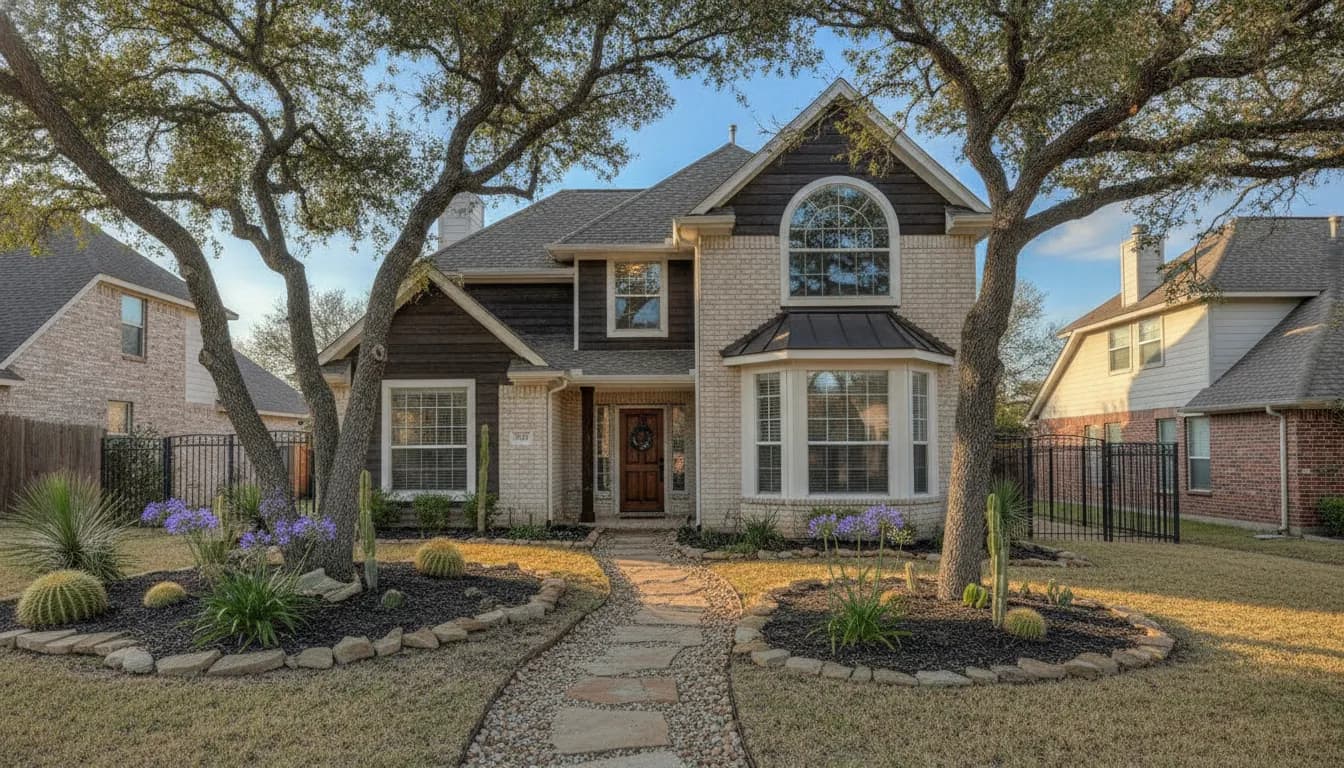
Replacing a bay or bow window can be worthwhile when the upgrade solves a clear problem and fits the home, not simply because the style looks distinctive. For a DFW homeowner, the decision should account for the window's condition, the amount of usable space and light you want, the opening's structure, and the installation scope. A careful evaluation is more useful than a generic return-on-investment promise.
Bay bow window replacement worth it DFW depends on your goals, the existing opening, and the performance and installation details included in the project. It may be a strong fit when you want a more useful seating area, broader views, or a custom solution for an architectural opening. Ask for measurements and a written scope before comparing options.
Before weighing cost or long-term value, it helps to understand how the two designs create space and views differently. That distinction shapes the practical tradeoffs you will discuss during a DFW residential window replacement evaluation.
Request a written evaluation and quote for your bay or bow window project.
What Makes Bay and Bow Windows Different?
Bay and bow windows both project outward from an exterior wall, but they create different shapes and experiences inside the room. A bay window typically combines three panels: a larger center window with angled side windows. Those side panels turn the view toward the yard or street and create a more defined projection. A bow window uses four or more window units arranged in a gentle curve. Its broader arc can create a wider, more continuous view and a softer exterior profile.
Projection, daylight, and usable space
The geometry affects how the window changes the room. A bay's sharper angles often create a more noticeable alcove, which may provide room for a bench. Plants, or a small reading area when the opening and interior layout allow it. A bow's curved arrangement usually spreads the projection across a longer wall section. That can bring in light from several directions while preserving a smoother transition between the wall and the window.
Neither shape automatically produces the same amount of daylight or usable seating in every home. Wall orientation, glass area, surrounding trees, roof overhangs, interior trim, and the depth of the opening all matter. In a Dallas, Rockwall, or Fort Worth home. The evaluation should account for the room's existing light and how the window will perform in its actual exposure, rather than relying on the style name alone.
Why custom fit matters
Bay and bow replacements are specialty projects, not simply larger versions of a standard narrow window. Existing framing, exterior finishes, support, drainage, and the desired interior finish can affect the scope. SunSmart offers custom windows for unique architectural requirements, which is relevant when the existing opening or the home's design calls for a tailored solution.
Size and project scope also affect replacement cost. A large bay or bow assembly generally requires more planning and material than a small. Narrow window, but a responsible estimate still requires measurements and a defined installation scope. The practical choice is the shape that fits the home's structure, the view and seating goals, and the level of customization the project can support.
Is Bay Bow Window Replacement Worth It in DFW?
It can be, but the right answer depends on what you want the window to accomplish and what the existing opening can support. A bay or bow replacement may make sense when you value more daylight, a wider view. A defined seating or display area, or a better fit for the architecture of your home. If the current unit is difficult to operate, drafty, damaged, or no longer matches the room. Replacement can also address a practical problem rather than simply change the appearance.
Start with the room and the opening, not a promised return. Is the projection usable, or does furniture already limit the space? Would additional glass improve the view, or would the orientation expose the room to unwanted heat and glare? Does the existing frame have moisture damage, movement, or trim problems that could expand the project scope? These questions help distinguish a worthwhile improvement from an expensive change that does not solve your main concern.
When the upgrade may fit your goals
A bay window may appeal to homeowners who want a more pronounced projection and a potential ledge or seating area. A bow window may be preferable when you want a broader, more curved view with a less pronounced shape. Neither choice is automatically better. The best fit depends on the room's proportions, the exterior design, the available structure, and how you plan to use the space.
Comfort can be part of the decision, especially in the DFW climate. The specification may include options such as Low-E glass or argon gas fills, but those features do not create a guaranteed energy-bill reduction. Product performance depends on the complete window, the opening, installation quality, orientation, and existing conditions.
What a responsible evaluation should include
SunSmart handles residential replacement work ranging from a single window to a whole-home project, including custom windows for unique architectural requirements. A professional evaluation should document measurements, the condition of the opening, structural and finish considerations, the selected configuration, and the full installation scope. You can review the DFW residential window replacement process before requesting that assessment.
There is no reliable universal ROI, resale return, payback period, or savings guarantee for a bay or bow replacement. Treat the project as worthwhile when its documented benefits match your priorities and the written scope fits your property and budget.
Is a Bow Window More Expensive Than a Bay Window?
Not automatically. A bow window may require more individual window units, while a bay window may involve a deeper projection or a more substantial seating area. Either design can become the more expensive option when its dimensions, materials, glass package, installation conditions, or finishing requirements are more demanding. A responsible comparison starts with the complete scope, not the label above the opening.
Size is one clear factor. A large bay or bow window generally costs more to replace than a small, narrow window, as noted in this window replacement cost discussion. Glazing also changes the specification. Double-pane glass is described as standard in that source, while triple-pane glass is an upgrade that adds cost. That does not make one style universally more affordable. It means the same style can have very different project requirements.
| Factor. | Bay window. | Bow window. | Budget driver. |
|---|---|---|---|
| Shape. | Usually a more angular projection with fewer main units. | Usually a curved-looking arrangement made from several units. | Unit count, custom sizing, and frame materials. |
| Projection. | Often creates a defined outward bump from the wall. | Can create a broader, more continuous arc. | Opening dimensions, support, flashing, and exterior finish. |
| View. | Strong forward view with angled side views. | Wider panoramic view across multiple sections. | Number and size of glazed sections. |
| Seating. | May accommodate a deeper seat or shelf. | May offer a longer, more continuous ledge. | Interior carpentry, trim, and finish details. |
| Fit. | Can suit a defined architectural opening. | May require a carefully coordinated custom fit. | Measurements, structure, removal, and installation scope. |
For a broader planning framework, review these replacement window cost factors before requesting an evaluation. Ask for each quote to identify the window configuration, glass package, structural work, trim, disposal, and interior or exterior repairs. Comparing those line items gives you a clearer answer than assuming bow or bay is always the costlier choice.
What Should DFW Homeowners Check Before Replacing One?
DFW homeowners should evaluate more than the shape and appearance of a bay or bow window before replacing it. The opening, glass package, climate-zone certification, and installation details all affect whether the finished project supports the home's comfort and design goals.
Start with the opening and the home's exposure
Ask whether the existing frame, sill, surrounding structure, trim, and exterior finish are sound. A replacement may require more planning when the opening has movement, moisture damage, uneven surfaces, or unusual dimensions. Also consider the window's direction and exposure. A large projecting window can receive substantial sun, so the glass selection should reflect the room, orientation, and comfort concerns rather than follow a one-size-fits-all specification.
Compare glass choices and ratings
SunSmart offers Low-E glass and argon gas fill options, along with sound-reduction and UV-protection options. These are available choices to discuss during a project evaluation, not a promise of a specific energy-bill reduction. Ask the installer which combination fits the opening and the home's priorities.
Two ratings deserve a clear explanation. U-factor describes how quickly heat transfers through the window, with lower values generally indicating better insulating performance. SHGC describes how much solar energy passes through the product, so it helps homeowners discuss unwanted solar heat. The right balance depends on the installation climate and the home's exposure.
ENERGY STAR Version 7 explains that window performance varies by climate and recommends choosing products certified for the climate zone where they will be installed. Ask to see the product's certification and performance information for the specific window type, rather than relying on a general label or a verbal savings estimate.
Ask questions before approving the scope
- What condition is the existing opening in, and will any structural or trim work be needed?
- Which U-factor and SHGC targets are appropriate for this location and exposure?
- How will the bay or bow be supported, flashed, sealed, and drained?
- Which glass options are included, and which are upgrades?
- What interior and exterior finish work is included in the written scope?
A careful evaluation gives DFW homeowners a clearer basis for comparing proposals and deciding whether replacement fits the home's needs.
Why Installation Planning Matters for Bay and Bow Windows
A bay or bow replacement involves more than ordering a window that matches the rough opening. The projecting shape, surrounding wall, and interior finish all need to work together. A careful site assessment can help you understand what the project includes before you compare proposals or decide whether the upgrade fits your home.
Questions about measurement and structure
Ask how the installer will measure the existing opening, projection, angles, and adjacent windows. It is also reasonable to ask what the assessment found about the wall structure and the condition around the opening. Does the existing framing appear sound? Will the installation require changes to the opening, sill, or surrounding materials? For a custom-shaped window, the answer should be based on documented measurements rather than a quick visual estimate.
Support is another important point. A projecting unit may place different demands on the wall and framing than a narrow replacement window. Ask what support method is proposed, where it will be attached, and whether any structural work is included in the scope. These are evaluation questions, not assumptions about what every bay or bow project requires.
Questions about water management and finish
Ask how flashing and drainage will be handled, including how the installation will direct water away from the opening. The scope should also explain how exterior trim, siding, interior casing, drywall, or other finish materials will be treated. If removal or repair work is excluded, that should be clear before work begins.
A written scope can bring these details into one place. It should identify the window configuration, measurements, glass or frame selections, support approach, flashing and drainage plan, trim responsibilities, and interior and exterior finishing work. SunSmart describes its residential replacement work as ranging from single-window projects to whole-home projects and offers custom windows for unique architectural requirements. You can review its DFW residential window replacement service information, then ask for an assessment that reflects your specific opening and goals.
How to Budget for Bay or Bow Window Replacement
A useful budget starts with the project scope, not a generic price range. A bay or bow opening is typically a larger specialty project than a small, narrow window. So the dimensions, configuration, access, and condition of the existing opening can all change the work involved. A written evaluation is the best way to understand what your home requires before comparing proposals.
ENERGY STAR notes that complete window replacement costs vary and recommends obtaining quotes from several installers. You can review broader Dallas window replacement costs and compare general replacement window cost factors, but those resources should be treated as context rather than a bay-or-bow quote. For a project-specific starting point, the DFW window replacement estimate resource can help organize questions before an evaluation.
Ask for a line-by-line scope
When reviewing a quote, ask whether it clearly addresses each of these items:
- Measurements, window configuration, and access requirements.
- Removal of the existing unit and disposal of old materials.
- Any needed framing, support, or structural work.
- Glazing specifications, including whether double-pane or triple-pane glass is proposed.
- Interior and exterior trim, finish, and related protection.
- Permits, if applicable to the property and project.
- Installation methods, cleanup, and final inspection.
- Warranty coverage, exclusions, and who handles service questions.
Glazing is one specification worth discussing carefully. A source reviewed for this article describes triple-pane glass as an upgrade that can add cost compared with double-pane glass. But the right choice depends on the home's goals and the complete window system. Ask the installer to explain the options in writing, along with any assumptions that could change the final scope.
When a Different Window Style May Be the Better Fit
A bay or bow window is not automatically the right answer for every opening. A standard replacement may make more sense when the existing frame is straightforward. The homeowner wants a simpler installation, or the main priority is restoring function without changing the room's footprint. It can also be a practical choice when the opening does not support the projection, structure, or interior finish required by a specialty design.
A picture window may suit a room where the priority is an unobstructed view and abundant daylight, rather than a projecting seat or multi-angle layout. It usually keeps the design visually simpler, which may matter in a room with limited floor space or a clean, minimal interior. Another custom shape may be worth considering when the architecture calls for a particular proportion, curve, or opening pattern. The best fit depends on the home's design, the condition of the opening, the room's use, and the project scope.
Budget is part of that decision, but it should not be reduced to a single product price. A specialty replacement can involve different measurements, structural checks, trim details, and finish work than a standard window. If those requirements do not support the room's purpose, a simpler design may be the more responsible choice. SunSmart offers residential replacement from single-window projects to whole-home work and custom windows for unique architectural requirements. Homeowners can review the Dallas window replacement services available for local project context.
Before choosing, ask:
- What should the window accomplish: more view, more light, seating, ventilation, or a straightforward replacement?
- Does the opening and surrounding structure support the selected shape?
- Will the projection improve the room without creating circulation or maintenance concerns?
- Does the written scope explain measurements, installation details, finishes, and options clearly?
For more planning guidance, browse the DFW window and door guides before comparing the final options.
Ready to compare your options? Request a written bay or bow window evaluation for your DFW home.
Frequently Asked Questions
Are bay windows worth the money?
A bay window may be worth the investment when you value added interior projection, a broader view, more daylight, or a defined seating area. The decision depends on the opening's condition, the home's layout, your performance goals, and the scope of installation. It is more responsible to compare those benefits with a written project plan than to promise a specific resale return or payback period.
What is the average cost to replace a bow window?
There is no reliable average that applies to every bow window replacement. The final scope can change with the window's size, number of units, glazing selection, structural conditions, support, flashing, trim, drainage, and interior or exterior finish work. Ask for measured dimensions and an itemized written estimate so you can compare the same work across installers.
Is a bow window more expensive than a bay window?
Not always. A bow window may involve more individual window units, while a bay window's projection, configuration, size, and installation conditions can also affect the scope. Glazing and finish choices matter as well. The fairest comparison is between two written proposals that clearly identify measurements, materials, support, installation, and finishing work.
What are the disadvantages of bay windows?
Bay windows can require more planning than a standard replacement because they project from the wall and may need careful attention to support. Weather management, interior space, and exterior trim. They may not suit every room or budget. A site evaluation can show whether the existing opening and surrounding structure are appropriate, or whether a different window style would be a better fit.
Ready to Plan Your Bay or Bow Window Project?
A written evaluation can help you compare the window style, measurements, installation considerations, and project scope against your home's goals. It gives you a clearer basis for deciding whether replacement makes sense before moving forward.
Request a written evaluation and quote for your bay or bow window project.