
Guide
Warm Edge Spacer Windows What Is It? Texas Guide
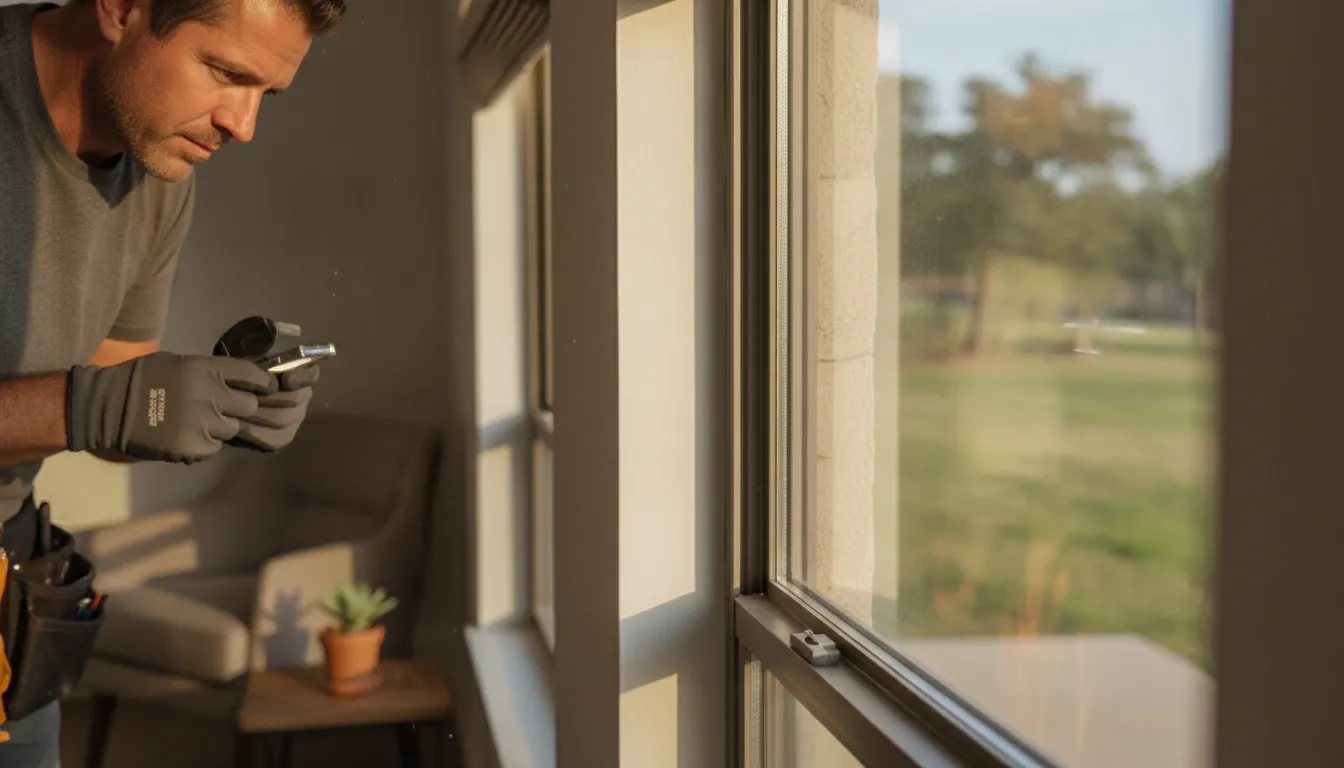
The narrow strip around the edge of an insulated glass unit is easy to overlook, yet it can influence how the window handles heat. In a Texas home, that detail matters during intense summer heat, humid conditions, and occasional winter cold snaps. Understanding the spacer helps you evaluate a window as a complete system rather than focusing on glass alone.
When researching warm edge spacer windows what is it, think of the spacer as the perimeter component that separates panes in a double- or triple-pane insulated glass unit. A warm-edge design uses a lower-conductivity material to help limit heat transfer at that boundary. It works alongside the glass, coatings, gas fill, frame, seals, and installation, not as a standalone fix.
That distinction is useful when comparing specifications or discussing low-E glass and argon, because each feature addresses a different part of window performance. Start with where the spacer sits and how it fits into the insulated glass unit.
Contact SunSmart for practical guidance on the window options that fit your home.
When homeowners ask, warm edge spacer windows what is it?
A warm-edge spacer is the component that separates the panes of glass around the perimeter of an insulated glass unit. In plain language, it helps hold the panes at the intended distance while forming part of the sealed edge of the window. Insulating glass units use multiple panes that are sealed and held together along their perimeters, as documented by Berkeley Lab's research on window spacers and edge seals.
That location matters. In a double-pane window, the spacer runs around the edge between the two panes. In a triple-pane unit, it separates the additional pane as part of the multi-pane assembly. The space between panes can contain insulating gas, but the spacer itself is not the gas. A warm-edge design generally uses a lower-conductivity material or construction than a highly conductive metal spacer. Its purpose is to help manage heat flow at the edge of the glass, where the window can behave differently from its center.
What the spacer does, and what it does not do.
When researching warm edge spacer windows what is it, it helps to separate this component from the other parts of the window system:
- Low-E coating: This microscopically thin coating is applied to a glass surface. It helps manage radiant heat and solar energy. It is not the perimeter strip between the panes. For a related explanation, see Low-E glass and argon.
- Argon: Argon is an insulating gas that may fill the space between panes in a sealed unit. It occupies the cavity; the spacer defines part of that cavity's perimeter.
- Frame: The frame surrounds and supports the glass assembly. Its material and design affect performance separately from the spacer.
- Installation: Installation includes measurement, alignment, sealing, and fitting the complete window into the opening. A spacer cannot correct poor installation or an unsuitable overall window design.
These parts work together rather than functioning as isolated upgrades. Overall window performance reflects the glass, coatings, gas fill, spacer, frame, seals, and installation. A warm-edge spacer may be one thoughtful detail in that package. But its presence alone does not establish a specific energy result, guarantee a certain indoor temperature, or eliminate every condensation concern. When comparing windows for a Rockwall, Dallas, or Fort Worth home, ask how the spacer fits into the complete insulated-glass system and how the finished product is evaluated.
Why aluminum spacers create a colder window edge
In an insulated glass unit, the spacer sits around the perimeter and keeps the panes at the correct distance from one another. That location matters because aluminum conducts heat. When indoor and outdoor temperatures differ, heat can move more directly through the edge than through the insulated center. Penn State's building-energy guidance notes that aluminum spacers conduct heat. It also explains that the edge of a window has lower thermal resistance than the center in cold weather.
For a homeowner, the practical result is a perimeter that can feel colder during a winter cold snap. Heat may leave the room more readily around the edge, even when the middle of the pane is performing better. The cooler surface can also make condensation more likely when warm indoor air meets the glass. That does not mean every window with an aluminum spacer will develop visible moisture, or that the spacer is the only possible cause. Indoor humidity, ventilation, the glass package, frame, seals, and installation all influence what you experience.
Why the edge is part of the U-factor
U-factor describes how readily heat flows through a window. Lower U-factor generally indicates greater resistance to heat transfer, but the number is not based only on the center of the glass. Product-level U-factor considers the frame, center-of-glass region, and edge-of-glass region as an area-weighted average. Industry guidance defines the edge-of-glass area as the glazing within 2.5 inches of the sightline. In other words, a spacer affects a region that is included in the window's overall thermal performance, not an isolated detail outside the rating.
This is why comparing only the glass center or choosing a product based on a spacer label can give an incomplete picture. A lower-conductivity warm-edge design may help moderate heat transfer at the perimeter. But the final result still depends on how the spacer works with the panes, coatings, gas fill, frame, seals, and installation. A window that is well designed but poorly sealed may not deliver the comfort its components suggest.
For homes in Rockwall, Dallas, Fort Worth, and the wider DFW area, the same principle is relevant beyond winter. Texas windows must manage strong summer heat as well as occasional cold weather. Looking at whole-window performance helps you evaluate the complete system instead of assuming one component guarantees a specific comfort or energy result.
What warm-edge spacers can change in a Texas home
Texas homes ask a lot of their windows. Intense summer sun can make rooms feel warmer near exposed glass, while humidity adds to the challenge of maintaining a comfortable indoor environment. A warm-edge spacer may help manage heat transfer at the perimeter of an insulated glass unit, where the window edge can perform differently from the center. During a winter cold snap, that edge detail can also affect how warm the inside surface feels.
The spacer sits between the panes around the edge of the glass. A lower-conductivity spacer is designed to reduce the path for heat transfer compared with a highly conductive metal spacer. That does not turn the window into a complete insulation system by itself. It can, however, contribute to more consistent edge performance and support a more comfortable area near the frame. The overall product U-factor considers the frame, center-of-glass, and edge-of-glass regions, so the spacer is one part of the measurement rather than the whole story. Learn more about how edge-of-glass performance fits into whole-window U-factor.
Summer comfort depends on more than the spacer
For a south- or west-facing room, solar exposure can have a greater effect on comfort than any single component. The glass selection and Low-E coating help determine how the window manages solar heat. While the frame, seals, and installation influence how well the assembly performs in the opening. Double-pane glass and an argon fill may also be part of an energy-efficient package. SunSmart explains those options alongside other energy-efficient windows for Texas homeowners, rather than treating one feature as a guaranteed solution.
Cold snaps reveal edge performance
When outdoor temperatures drop, a well-designed spacer can help the edge of the glass maintain a more moderate interior surface temperature. That may improve how the window feels near the perimeter and may reduce conditions that contribute to edge condensation in some situations. It does not guarantee a condensation-free window. Indoor humidity, ventilation, glass configuration, frame material, seal condition, measurements, and installation quality all matter. Persistent moisture or fog between panes should be evaluated instead of assumed to be a spacer issue.
When comparing replacement windows in Rockwall, Dallas, Fort Worth, or the wider DFW area. Ask how the spacer, Low-E coating, argon fill, glass selection, frame, seals, measurements, and installation work together. A warm-edge spacer can be a meaningful detail, but comfort and durability come from the complete window system.
Can warm-edge spacers reduce condensation?
They can reduce one contributor to condensation, but they cannot guarantee a completely clear window in every home. During cold weather, the edge of a window can have lower thermal resistance than the center of the glass. That colder perimeter may allow heat to escape and create conditions where moisture collects along the edge. A warm-edge spacer uses a lower-conductivity material or design at the perimeter of the insulated glass unit, helping the edge stay warmer in some window systems. Penn State explains how edge temperature, heat loss, and condensation are connected.
That distinction matters when evaluating the question. "Do warm edge spacers work?" The more precise answer is that they can improve edge-of-glass performance and reduce condensation risk under certain conditions. Research and educational sources describe foam separators and other low-conductivity approaches as reducing heat loss and condensation in some designs, not eliminating moisture in all climates or rooms. A spacer is one component of an insulated glass system, alongside the glass, coatings, gas fill, frame, seals, and installation.
What else affects condensation?
Indoor humidity is often a major variable. Cooking, bathing, drying clothes, and limited ventilation can add moisture to the air. When that moist air meets a cold enough glass or frame surface, condensation may appear even if the window has a warm-edge spacer. In a Texas home, the balance can also change with seasonal conditions, air-conditioning use, and occasional winter cold snaps.
The glass package and frame matter as well. A window with different glazing, a conductive frame, or an installation detail that creates a cold perimeter may perform differently from another window with the same spacer description. Seals are another important consideration. Moisture or fogging between panes can point to an insulated-glass seal problem, which is different from ordinary room-side condensation. A spacer cannot correct a failed seal.
When should you request an inspection?
Professional evaluation is worthwhile when moisture repeatedly returns in the same location, appears between panes. Leaves staining or deterioration on the frame, or occurs despite reasonable ventilation and humidity control. Also look closely at whether the condensation is on the room side, exterior side, or inside the sealed glass unit. Those locations suggest different causes. An installer can assess the glass, frame, perimeter seals, drainage, and installation rather than judging the spacer in isolation.
When comparing replacement windows, ask for whole-window performance information and an explanation of how the spacer works with the rest of the insulated glass system. That approach gives you a more useful answer than treating warm-edge technology as a standalone cure for condensation.
What to ask about spacer technology in a window quote
A window quote should help you compare complete window systems, not just attractive labels. Use these questions to understand whether the spacer, glass, frame, seals, and installation plan are working toward the same comfort and efficiency goals.
- What is the whole-window U-factor? Ask for the performance information for the complete unit, rather than a center-of-glass figure alone. Overall product U-factor reflects heat transfer through the frame, center-of-glass area, and edge-of-glass region. The edge matters because the area near the perimeter can perform differently from the center. Review the industry explanation of whole-window U-factor if you want more technical context.
- What spacer material and design are included? Ask whether the quote specifies an aluminum, foam, polymer, or hybrid spacer, and where that component sits in the insulated glass unit. Spacers separate the panes and form part of the perimeter assembly. A warm-edge design generally uses a lower-conductivity approach, but the label alone does not tell you how the entire window will perform. Ask for the product documentation instead of assuming that every warm-edge spacer is identical.
- How do the spacer and glass package work together? Ask what Low-E coating, pane configuration, and gas fill are included. Low-E glass and argon address different parts of the insulated-glass system from the spacer. SunSmart's guide to low-E glass and argon can help you separate those functions before comparing quotes.
- What frame and seals are part of the quoted unit? Ask for the frame material, the sealing approach, and the way the glass is secured. The spacer cannot compensate for a poorly matched frame or compromised seals. Request the exact product line and performance documentation so you can compare like with like.
- How will installation affect the result? Ask who will install the windows, how the opening will be prepared, and how the installer will address air and water sealing. Even a well-designed unit needs a suitable installation plan. Ask what is included in the scope, and whether trim, flashing, cleanup, and finishing work are clearly defined.
- What condensation should I reasonably expect? A warmer edge may reduce heat loss and condensation risk in some designs, but it cannot guarantee that condensation will never appear. Indoor humidity, ventilation, the glass and frame, seals, outdoor conditions, and installation all matter. Ask how the installer evaluates condensation concerns and what conditions could still produce moisture at the glass edge.
| Quote detail | Useful follow-up question |
|---|---|
| Spacer | What material and edge-seal design are specified? |
| Glass package | Which Low-E coating, pane configuration, and gas fill are included? |
| Complete unit | What whole-window U-factor is documented? |
| Installation | How will the opening and perimeter be sealed? |
For a local planning reference, compare the specifications that can influence DFW window replacement costs, then ask each installer the same questions. A thoughtful quote should make the tradeoffs clear. When you are ready to discuss energy-efficient windows in DFW, choose an installer who explains the complete system and its limitations, not one who relies on a single spacer label.
Frequently Asked Questions
What is a warm edge spacer in a window?
A warm edge spacer is the component around the perimeter of an insulated glass unit that separates the panes and helps manage heat transfer at the edge. Unlike a highly conductive metal spacer, it is designed with lower-conductivity materials. It is one part of the sealed glass system, alongside the panes, coatings, gas fill, seals, frame, and installation.
Do warm edge spacers work?
They can improve the thermal performance of the window edge, but the result depends on the complete window assembly. Overall U-factor reflects heat transfer through the frame, center of glass, and edge of glass, so a spacer should not be evaluated as an isolated upgrade. Ask for whole-window performance information rather than relying on the spacer label alone.
Can a warm edge spacer reduce window condensation?
It may help reduce condensation risk at the glass edge by limiting heat transfer and keeping that area warmer in cold conditions. However, it cannot guarantee condensation-free glass. Indoor humidity, ventilation, the glass and frame, seals, and installation also affect moisture. Persistent condensation or fogging deserves a broader inspection.
What is a warm edge spacer made of?
Warm edge spacers can use nonmetal or hybrid materials, including foam, nylon, polymers, or combinations that provide structural support. The exact material and design vary by window system. The important questions are how the spacer supports the insulated glass unit, seals the cavity, and contributes to the tested whole-window performance.
Should Texas homeowners choose warm edge or aluminum spacers?
Aluminum spacers are common, but aluminum conducts heat. A warm edge design may better support edge-of-glass comfort and efficiency, especially when paired with an appropriate glass package. Compare the complete window's U-factor, solar heat control, seals, frame, and installation quality rather than choosing from the spacer material alone.
Ready to discuss your window options?
Understanding the spacer is useful, but the best choice depends on how the glass, coatings, gas fill, frame, seals, and installation work together. SunSmart can help you compare those elements in the context of your home and comfort goals, without reducing the decision to one component. Contact us to discuss your window options and get practical guidance.