
Guide
Repair or Replace: Ranch Home Window Styles
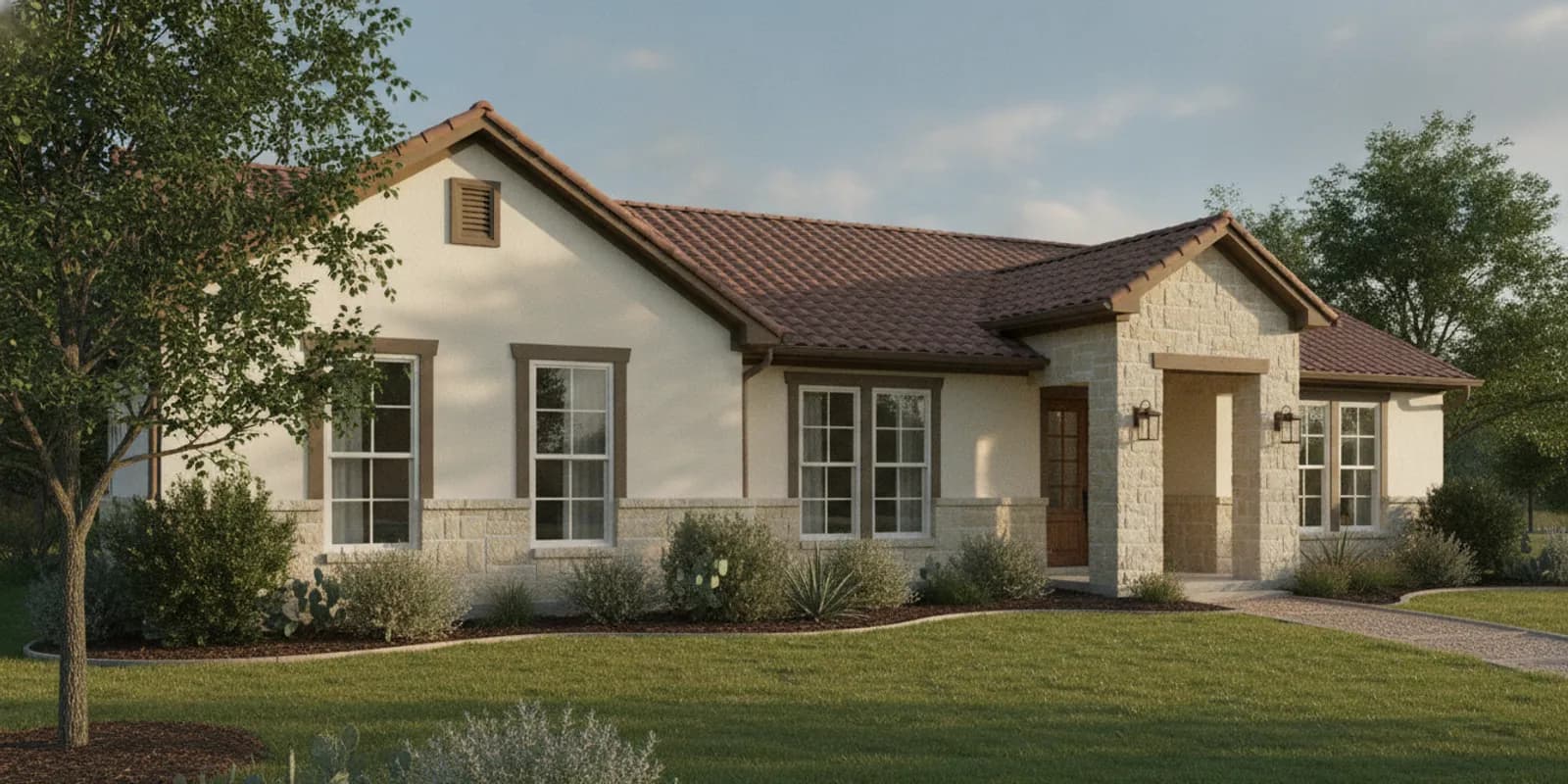
Choosing ranch home window styles is about more than picking a frame you like. A ranch home’s long, low profile makes window size, placement, and alignment especially visible, while the right operation and glass choices should also suit how you use each room. If you are deciding whether to repair existing windows or replace them, start by looking at condition, function, appearance, and the goals for the project. There is no one style that fits every ranch home in Rockwall, Dallas, Fort Worth, or the wider DFW area.
Talk through your window project
What makes ranch home window styles different?
Ranch homes are generally recognized by a one-story layout and a horizontal form, but the details vary widely. Some have a simple, balanced front elevation. Others include a picture window in the living area, smaller windows along a bedroom wing, or later additions that changed the original rhythm. As a result, window replacement planning should begin with the specific house rather than a standard ranch-house template.
On a long façade, a small difference in window height or spacing can be noticeable. A replacement that is too narrow, too tall, or visually unrelated to nearby openings may interrupt the home’s proportions. This does not mean every opening must match. It means differences should look intentional and should respect the existing architecture. A discussion of ranch-house window replacement from ArchitectureCourses.org also emphasizes considering the home’s overall window composition rather than treating every opening as an isolated choice.
Before comparing products, walk around the exterior and note which openings define the front elevation, which serve private rooms, and which face a side or rear yard. Inside, note furniture placement, privacy needs, ventilation preferences, and any glare or comfort concerns. These observations help distinguish a style preference from a functional requirement.
Should you repair or replace ranch home windows?
A window that sticks or has a damaged component may need attention, but a single symptom does not automatically settle the repair-versus-replacement question. First identify what is failing. A loose lock, worn weatherstripping, damaged screen, or difficult sash may be a more limited issue than a deteriorated frame or a failed insulated glass unit. The right response depends on the window’s condition, whether parts are available, and how well the existing unit meets your needs.
Repair may be worth investigating when the frame is sound, the opening is not affected by moisture damage, the window still suits the room, and the fault appears limited to a replaceable component. Ask a qualified professional to explain what has failed and whether the proposed repair addresses the cause. For example, if a sash does not stay open, the assessment should identify whether the balance mechanism, sash, or frame is involved instead of simply suggesting a full replacement without explanation.
Replacement may be the more practical direction when several components are deteriorated, the frame or surrounding area has damage, the unit repeatedly fails to open or close properly, or the existing style no longer works for the room. It can also make sense when you are planning a consistent update across multiple openings. Even then, replacing every window at once is not the only possible scope. A professional assessment can help separate urgent conditions from appearance preferences and future plans.
Do not confuse condensation on the room-side glass with moisture between panes. Room-side condensation can be affected by indoor humidity and surface temperature; moisture trapped between panes can indicate a problem with the sealed glass unit. The appropriate next step depends on the window construction and the specific condition. Photograph the issue, note when it appears, and ask what inspection can confirm before choosing a remedy.
Which window styles suit a ranch home?
Several styles can work well in ranch homes. The best match depends on the size and shape of the opening, the look you want from outside, how you want the window to operate, and what is practical inside the room. A style that looks attractive in a product photo may not be the best fit for a particular opening or elevation.
| Style | How it opens | Where it may fit | What to check |
|---|---|---|---|
| Double hung | Upper and lower sashes move vertically | Bedrooms, living spaces, or elevations with a traditional look | How much ventilation and cleaning access you want, and whether the opening can accommodate the sash movement |
| Single hung | Lower sash moves; upper sash is fixed | Rooms where a familiar vertical profile suits the existing opening | Whether operation from one sash meets the room’s ventilation needs |
| Casement | Hinged sash swings outward | Openings where a clear view and side-hinged operation are preferred | Exterior clearance, nearby walkways, and whether the hardware is easy to reach |
| Sliding | One or more panels slide horizontally | Wider openings where a horizontal proportion feels natural | Panel movement, screen arrangement, and access for cleaning |
| Picture | Fixed glass does not open | Locations where the priority is a broad view and daylight rather than ventilation | Pairing with an operable window if the room needs fresh-air access |
| Awning | Hinged sash opens outward from the bottom | Some smaller or higher openings, depending on the elevation | Clearance, reach, and how the opening relates to neighboring windows |
The table is a starting point, not a prescription. A double-hung window can echo an existing design, while a picture window can preserve an uninterrupted view. Neither style is automatically right for every ranch home. Compare styles in the context of the actual opening, interior use, and surrounding windows. For additional detail on casement windows for Texas homes or a picture window replacement, consider how each product’s operation and fixed or moving glass will work in your room.
How do you keep a ranch home’s window layout balanced?
Look at the whole elevation before selecting individual units. A balanced plan does not require identical windows everywhere. It means related openings have a clear visual relationship, with consistent decisions about head height, frame appearance, and spacing where the architecture supports it. A living-room picture window, for example, may be intentionally wider than bedroom windows. The difference can feel coherent when its placement and proportions fit the rest of the façade.
Use these steps to evaluate a proposed layout:
- Record what is there. Photograph each side of the home from a straight-on view. Note approximate opening sizes, styles, and any differences between the original house and additions.
- Identify the focal points. Decide which windows are most visible from the street and which matter most from inside. A change to a prominent front window may deserve more design attention than a similar change at the back.
- Compare like with like. View options for adjacent or paired windows together. Check frame color, sightlines, grille pattern if any, and overall proportions rather than judging a single sample by itself.
- Confirm the opening and installation plan. Ask how the existing opening will be measured and whether the proposal preserves its size or changes it. Any change in opening dimensions can affect surrounding finishes and should be clearly explained.
- Review the full elevation again. Look at the proposed combination from a distance. A simple sketch or marked-up photograph can make inconsistent heights, widths, or groupings easier to spot before ordering.
When a ranch home has been altered over time, do not assume every window was installed as part of the original design. Additions, enclosed porches, and past replacements can create different conditions. The goal is not to force a house into an imagined original look. It is to make deliberate choices that feel consistent with the home as it exists and work for the people living there.
How should operation and room use shape your choice?
Think about what each room needs before choosing a style. A window beside a counter or bed may need a particular hardware location or clear access. In a room where ventilation matters, a fixed picture window alone will not provide an operable opening. Where outside space is tight, an outward-opening sash may require a closer look at clearance. Consider furniture, curtains, screens, and how you will reach the locks and operating hardware.
Cleaning is another everyday consideration. Ask which surfaces can be reached from inside and how the sash or panel moves for cleaning. A style that is easy for one household to use may be awkward for another, especially when windows are above furniture or near a stair landing. Try the operation of a sample if possible and ask how it will feel in the actual location.
For a front elevation, visual consistency may matter most. At a bedroom, ventilation, privacy, and ease of operation may lead the decision. In a living room, the view and daylight may be central. Write down a priority for each opening so you can compare products on the same basis instead of selecting a different style simply because it looks appealing in a showroom or online.
What should you consider about frames and glass?
Frame material and glass are separate decisions from operating style. A homeowner might compare a vinyl frame with another material while also deciding between a double-hung and casement configuration. Keep each question visible in the proposal. Ask what the product is made of, what options are included, and how those options relate to your goals for comfort, appearance, maintenance, and budget.
Glass packages can include features intended to manage heat transfer, sunlight, or ultraviolet exposure. The right configuration depends on the home’s orientation, existing conditions, and what you are trying to improve. Do not assume that one label or feature by itself guarantees a particular bill reduction or comfort result. Compare product information and ask how the selected glass fits your specific project. SunSmart’s guide to Low-E glass and argon explains those terms, while its overview of vinyl windows can help you prepare questions about frame options.
ENERGY STAR is a useful reference point when comparing product efficiency information. Check the current requirements and product details rather than relying only on a broad claim such as “energy efficient.” A window’s performance depends on the product configuration and the conditions of the installation. For a Texas home, discuss the product’s documented ratings and ask how the proposed choice fits the project; avoid assuming that a feature or rating alone guarantees a fixed amount of savings.
It is also sensible to read the product’s performance label and understand what its ratings describe. If the options include different glass or frame configurations, ask for a clear comparison of the actual products being proposed. SunSmart’s guide on reading a window energy performance label offers a way to prepare for that conversation. You can also review the broader guide to windows for Texas heat without treating any single feature as a substitute for sound measurements and installation planning.
What should you ask before approving a replacement plan?
A useful consultation should leave you with a clear picture of what is being replaced, how the options differ, and what work is expected. SunSmart describes an education-first process that includes an in-home consultation, precision measurement, and professional installation. Before approving a project, make sure the details for your home are understandable and documented.
- Which openings are included, and which are not?
- What is the condition of the existing frame and surrounding area?
- Does the proposed plan keep each opening the same size, or change its dimensions?
- Why is each selected style appropriate for that room and elevation?
- What frame, glass, hardware, and screen options are included in each choice?
- How will the installer protect nearby finishes and seal the window to the opening?
- What preparation should the homeowner complete, and what should be moved before installation?
- What is the expected project sequence, and how will questions or unexpected conditions be handled?
- Which product and installation documents should be kept after completion?
Ask for explanations in plain language. If two options differ, request a side-by-side comparison that names the specific products and features rather than broad labels. Confirm that measurements, style, color, operation, and glass selections match the plan before the order is finalized. A careful review helps avoid confusing a design choice with a product upgrade or assuming that one option includes a feature that was only discussed.
Homeowners in different parts of DFW may want to review the local service information as part of planning. See SunSmart’s pages for Rockwall window replacement, Dallas window replacement, and Fort Worth window replacement, or read about the company’s residential window replacement service. The relevant local page can help you frame project questions for your area.
How can you decide which ranch home window styles to use?
Make a short decision sheet for each opening. Record its current style and condition, whether it must open, the view or privacy priorities, and any concerns about access or cleaning. Then compare possible replacements against those needs. This keeps the conversation grounded in the way the room works instead of making the whole project hinge on a single favorite style.
Next, separate must-haves from preferences. A sound frame, workable operation, and a style that fits the opening may be essential. A particular grille pattern or a more uniform appearance across the front may be a preference. Naming the difference can help you decide where to spend attention and where flexibility is reasonable.
Finally, evaluate the whole-home effect. Ask whether the selections look coherent from the street, whether key rooms will function as intended, and whether the scope addresses the conditions you identified. If you have older windows, a detailed DFW window replacement guide can help organize the broader planning questions. If you are ready to discuss a specific home, SunSmart’s window and door services page provides another starting point.
Request a no-pressure window consultation
Frequently asked questions
Are double-hung windows a good fit for a ranch home?
They can be, especially when their vertical shape suits the existing openings and the homeowner prefers that operating style. Check how much ventilation you want, how the sashes move, and whether the appearance works with the other windows on that elevation. The one-story layout alone does not determine the best style.
Can I use different window styles on the same ranch home?
Yes, when the choices serve a purpose and look considered together. A fixed picture window may make sense in one location, while operable units serve bedrooms or other rooms where ventilation is desired. Review the full exterior so differences in proportion, frame appearance, or placement do not look accidental.
Should I replace all the windows at the same time?
Not necessarily. The scope depends on window condition, project goals, and your priorities. An assessment can identify which units need attention and whether a phased project is practical. If you replace only some windows, compare the new selections with the units that will remain so you understand the visual and functional result.
Can I make a window opening larger when replacing it?
Possibly, but changing an opening is different from replacing a unit within its existing dimensions. It can affect surrounding materials and requires a clear plan for the opening and finishes. Ask what changes are proposed, why they are being considered, and what work they involve before agreeing to a design.
What matters more: window style, frame, or glass?
They answer different questions. Style affects operation and appearance; frame and glass options affect product characteristics and maintenance considerations. Start with the room’s needs, then compare specific product configurations and confirm that measurements and installation details support the plan.
Ranch home window styles work best when they balance the home’s proportions with the way each room is used. A measured comparison of repair, replacement, operation, and appearance can help you make a confident decision without choosing more than your home needs.