
Guide
Low E Glass Benefits Texas Homes: A Complete Guide
Low e glass benefits texas homes with lower cooling bills and less energy waste. The thin metallic coating reflects solar heat away while still letting light in, and in hot climates it can cut electric space-cooling needs by more than 40 percent. It also blocks most UV rays and keeps rooms at a steady temperature.
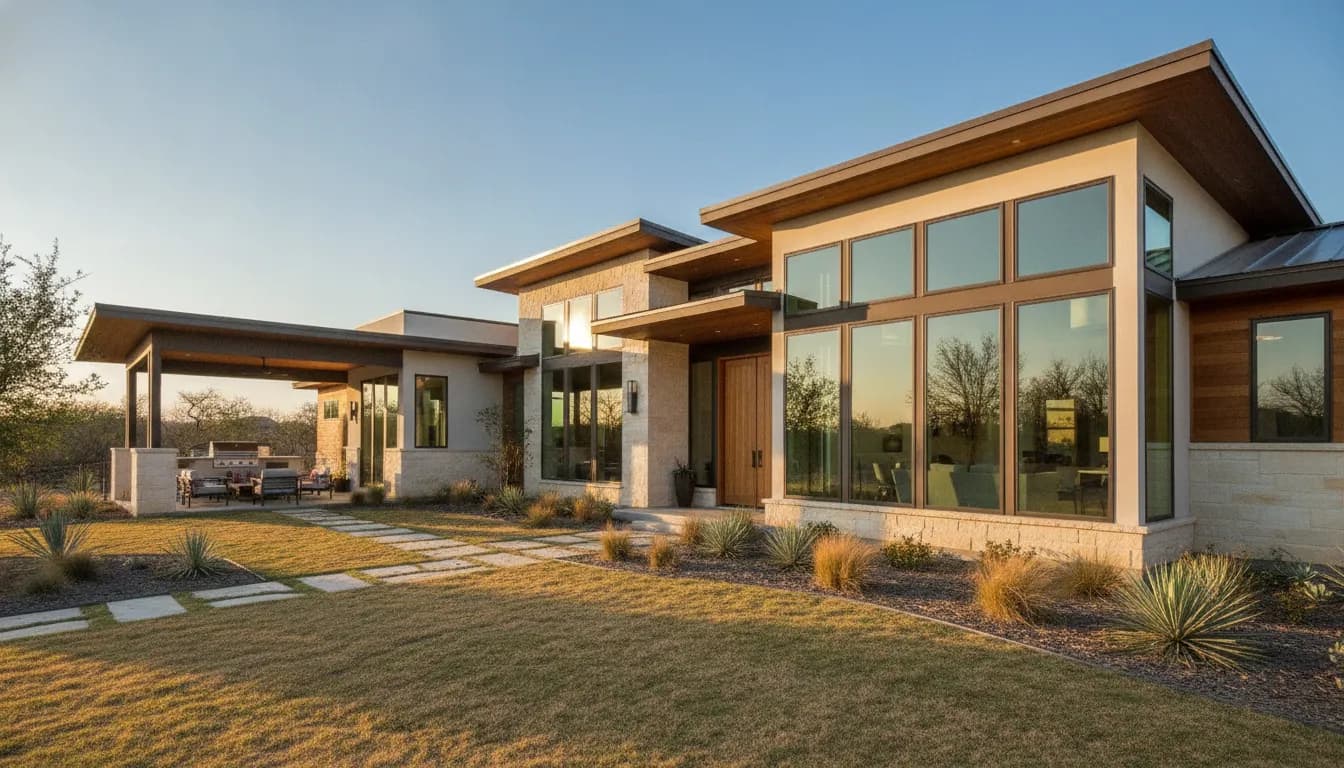
Low E Glass Benefits Texas Homes: What Is Low-E Glass and How Does It Work?
Low-E stands for low emissivity. This technology uses a microscopically thin layer of metal on the glass surface. The coating is so thin that you cannot see it with your naked eye. Its main job is to manage how heat moves through your windows. With low-E glass, you can keep your home cooler in the summer and warmer in the winter. It is one of the top benefits of energy efficient windows for families in the Dallas and Fort Worth area.
To understand how this glass works, look at the different types of light. Sunlight carries both visible light and heat energy. Standard glass lets both pass through easily, which turns rooms into ovens in the sun. Low-E glass is spectrally selective, meaning it can tell the difference between the light you see and the heat you feel. The metallic layer mirrors infrared energy back to its source while natural light still fills your home.
In a hot climate like Texas, this reflection is key. When the sun beats down on your house, the coating reflects that heat back outside. This keeps the glass from getting hot and radiating heat into your living space. Your rooms stay bright without the high temperatures that usually come with sunlight. This is why so many homeowners choose a window replacement for texas homes to lower their cooling costs.
Why Texas Homes Need Low-E Glass: The Climate Advantage
Texas summers are famous for high heat. In cities like Dallas and Fort Worth, temperatures often stay above 100 degrees for weeks. This extreme heat puts a huge strain on your home, and most of it enters through your glass. Based on the Department of Energy, heat gain and loss through windows account for 25% to 30% of your total residential energy use. Choosing the right glass is the best way to fight the sun.
High AC bills are a big part of life in North Texas. When your home loses cool air through old glass, your HVAC system works twice as hard. That means higher costs and more wear on your equipment. There are many low e glass benefits texas homes enjoy during the summer. The main gains for homeowners include:
- Reduced solar heat gain to keep the sun's rays out.
- Lower reliance on air conditioning during peak hours.
- More consistent indoor temperatures throughout the house.
- A big drop in your monthly utility costs.
In fact, Low-E glass can reduce your cooling needs by more than 40% in hot climates. This drop in energy use means real savings every month. By using less power, you also help your AC last longer. It is one of the smartest energy efficient window upgrades for any local house.
The sun does more than just heat up your house. It also sends out strong UV rays that fade rugs, wood, and artwork over time. Standard glass does very little to stop this damage. Low-E glass blocks up to 99% of harmful UV rays, acting like a shield for your home, so your wood floors stay rich and your fabrics keep their color for years.
Argon Gas: The Unsung Hero of Energy-Efficient Windows
While the coating on the glass does a lot of work, the gap between the panes is just as vital. Most modern windows do not use plain air inside them. Instead, they use a clear and safe gas called argon. Argon is much denser than air, so it does not move as easily. This trait makes it very good at slowing the flow of heat through the window.
In a normal window, air inside the gap warms up, rises, and carries heat across the glass. Since argon is heavy and slow, it cuts down on this heat loop. The heat from a 100-degree Rockwall day stays outside when builders put argon in double or triple-pane units. Top systems combine window replacement for texas homes with these gas fills and low-E coatings.
The best windows use a mix of parts to reach top goals: low-E glass, argon gas fills, and new spacers that hold the glass in place. When these parts work as one, they stop air leaks and keep your home at a steady temperature. Choosing the right gas and glass turns a thin pane into a strong barrier, keeping you cozy in winter and crisp in summer.
Understanding Window Energy Ratings: U-Factor vs. SHGC
When you look for new windows, you will see stickers with many numbers. These labels help you know how well a window works and let you compare products. They come from a group called the National Fenestration Rating Council, or NFRC, which tests every window so the data is true. Knowing these ratings is key to getting the most from your windows.
The U-factor tells you how well a window keeps heat from leaving your home. A lower number means the window is better at blocking heat. Windows with a low U-factor keep your indoor air at a steady level, so your heater does not work as hard in colder weather. For a Texas home, this rating still matters across our cooler winter nights and storm fronts.
The Solar Heat Gain Coefficient, or SHGC, measures how much sun heat enters through the glass. This is the most important number for people in the South who deal with high heat. A low SHGC value means the window blocks more of the sun's hot rays. In our local area, choosing windows with a very low SHGC stops the sun from baking your living space and driving up your power bills each month.
Two labels make shopping much easier. The NFRC sticker gives you the raw data on U-factor and SHGC. The ENERGY STAR logo shows the window is top-tier and meets strict standards. By looking for these seals, you know you are getting a high-quality product that lasts.
Low-E Windows vs. Standard Windows: What's the Difference?
Choosing new windows for your home often leads to a choice between clear glass and high-tech options. They may look the same to the eye, but the tech inside creates a huge gap in how your home feels and how much you pay for power. The table below compares the two for a typical Texas home.
| Feature | Standard Clear Glass | Low-E with Argon Gas |
|---|---|---|
| Yearly Energy Savings | 0% (Baseline) | 7% to 15% or more |
| UV Protection | Minimal | Blocks up to 99% of rays |
| Indoor Comfort | Has hot and cold spots | Steady temp near glass |
| Solar Heat Gain | High heat flow | Reflects solar heat out |
| Resale Value | Basic function | High buyer appeal |
| Upfront Cost | Lower start price | Higher start cost |
Standard double-pane windows offer basic help but let most solar heat pass through. Upgrading to energy efficient windows with Low-E coatings and argon gas fills can change your comfort and your monthly bills. Beyond the bills, high-tech glass blocks up to 99% of harmful UV rays, protecting your chairs and floors from fading.
It is true that standard windows cost less when you first buy them. But window replacement for texas homes should be seen as a long-term plan. The higher start price of Low-E glass is usually offset by long-term savings and better comfort. When you add up the long-term energy savings, the right investment more than pays for itself.
How to Choose the Right Low-E Window for Your Texas Home
Picking the right windows for a Texas home takes more than just choosing a style. You must find products that can handle the high heat of our local summers. Following a clear plan helps you find the best value and save more on your energy bills.
Texas has many climate zones, but most homeowners in the Dallas and Fort Worth area face a hot sun. When you look at window labels, check the Solar Heat Gain Coefficient, or SHGC. According to the Department of Energy, homes in hot spots need a low SHGC to block solar heat. A quick five-step plan helps you match the right window to your home:
- Know your climate zone. Texas homeowners need windows with a low SHGC to keep summer heat out of the house.
- Compare NFRC ratings. Look at the labels on each window to check the U-factor and solar heat ratings across brands.
- Choose soft-coat low-E. Soft-coat glass is often the best choice for Texas because it works well in hot weather.
- Verify argon gas fill. Ensure your new windows use argon gas between the glass to add more protection against heat flow.
- Prioritize expert setup. Even the best windows will fail if they are not installed right. Work with experts who know window replacement for texas homes.
The type of coating on your glass makes a big change in how you feel. Soft-coat low-E is a top choice for homes in Fort Worth because it reflects a high amount of heat. You should also ask about argon gas. This safe gas sits between the glass panes to slow down heat transfer, giving your home an extra layer of protection.
Are There Any Downsides to Low-E Windows?
Most people in the Dallas-Fort Worth area focus on the low e glass benefits texas homes get during the hot summer, and these windows do a great job of keeping out the heat. However, there are a few things to think about before you buy. Most of these points are small, and a good installer will walk you through them.
The most common point for owners is the cost. Low-E windows often have a higher price than plain clear glass because the thin coating and the argon gas cost more to make. The money you save on your AC bills helps you get your cash back over time, and many people find their homes feel much better on 100-degree days in Texas.
Low-E glass works by reflecting heat, which can create a light tint on the glass. Some people notice a faint green or blue hue. This tint helps block the sun and keeps your floors from fading, and most people find it barely noticeable. If you want even more protection, you can use energy efficient window coverings like blinds or shades that work with your windows to stop heat from the sun.
Some types of Low-E glass have thin metal layers that, in rare cases, can block cell phone or Wi-Fi signals inside the house. This usually only happens with many windows and thick walls, and most modern signal tools can fix this small issue. You may also need to check how your screens fit so they do not trap heat against the glass.
Frequently Asked Questions
Here are the questions Texas homeowners most often ask SunSmart about Low-E glass and energy-efficient windows.
Ready to schedule your free window consultation?
Waiting is not a good plan for Texas homes. Every month you delay your window upgrade, you pay a heat tax to your power company through your old clear glass. You could save as much as 15 percent on your annual energy bills by switching to modern units now. Starting your project today means you can stop up to 30 percent of energy loss before the next heat wave.