
Guide
When It Is Time: Custom Shaped Windows
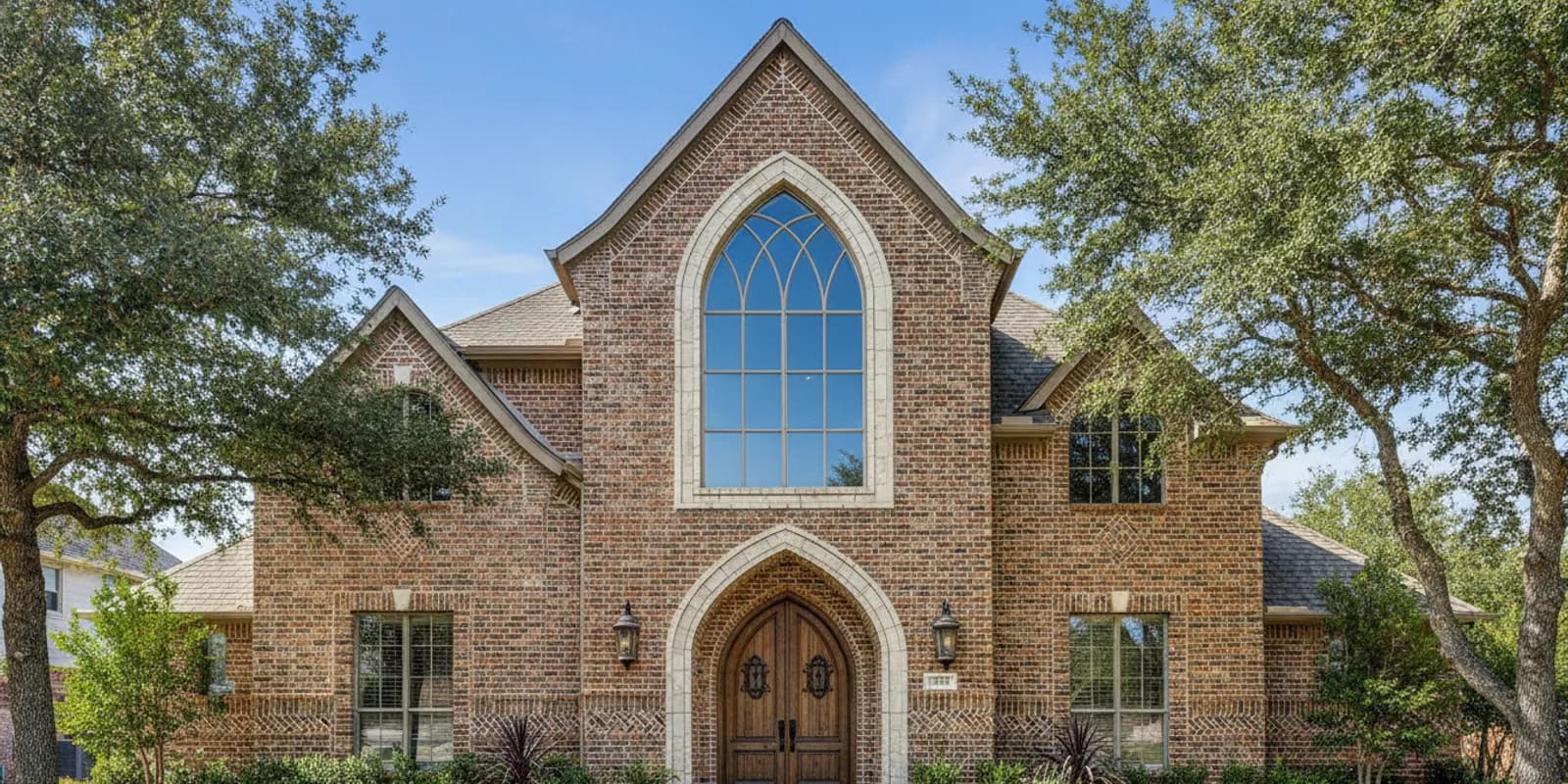
Custom shaped windows can solve a real design or fit challenge, but the unusual outline is only one part of the decision. For DFW homeowners, the right choice depends on the opening, the room’s use, glass performance, appearance, and how the window will be installed. Here is how to decide whether a custom shape is worth ordering, and what to confirm before moving forward.
Talk through your window options
When are custom shaped windows worth ordering?
A custom shape is worth considering when a standard rectangular unit will not fit the existing opening or deliver the look you want. Common examples include arched tops, circles, half-rounds, triangles, trapezoids, and other geometric forms. Some are fixed units designed to bring in daylight; others are paired with operable windows below or beside them.
Think about the purpose before choosing a silhouette. If the opening is a prominent architectural feature, matching its original proportions may matter more than selecting the easiest standard size. If the goal is daylight, compare how much clear glass each design provides. If ventilation is important, decide which part of the overall assembly needs to open. Not every shaped window is operable, and an operable configuration may require a more involved design.
Custom does not automatically mean better. A standard unit may be the sensible option if it fits, meets the room’s needs, and suits the exterior. The value of a shaped unit comes from solving a specific fit, function, or design requirement that a standard window cannot address as well.
What makes a custom shaped window different from a standard unit?
Standard windows are offered in established sizes and configurations. A custom shaped window is made to match a particular outline or opening, so planning has more variables: exact dimensions, angles or curves, frame profile, glazing, placement, and the transition to surrounding trim or masonry.
Shape also affects how the window works in the room. A fixed arch can add light above a conventional window, while a geometric accent may preserve an architectural detail without serving as the main source of ventilation. In older DFW homes, a distinctive opening may be part of the home’s character. Preserve its proportions and surrounding details in the planning rather than assuming a generic unit will be an equivalent replacement.
For an opening that needs a made-to-fit solution, review SunSmart’s custom window options. If the design can use a conventional configuration, compare it with the broader residential window replacement service before committing to a specialty shape.
Which custom shaped windows suit different needs?
The outline should follow the job the window needs to do. These broad comparisons can help you prepare questions, but actual availability and fit depend on the opening and product design.
| Window form | Potential use | What to confirm |
|---|---|---|
| Arch or half-round | Adds a curved accent above a rectangular window or door | Curve dimensions, frame alignment, and how the curve meets the unit below |
| Circle or oval | Creates a compact decorative focal point | Whether a fixed unit suits the room and how it will be trimmed |
| Triangle or trapezoid | Follows a sloped roofline or angled wall opening | Exact angles, orientation, and exterior water-management details |
| Combination assembly | Pairs a shaped fixed unit with an operable window | Which section opens, how the units connect, and how the full assembly is measured |
Use the table as a starting point, not a product specification. For example, an arch above a double-hung window may preserve a traditional composition, while a triangle may follow a gable. The best layout depends on the home’s architecture, room conditions, and the available opening.
How should you compare shape, glass, and energy performance?
Do not judge a window by its outline alone. Ask about the whole assembly: frame, glazing, seals, and installation. Low-E glass and insulated glazing options may be relevant to comfort and solar exposure in Texas, but the right specification depends on the window orientation and room conditions. SunSmart’s guide to Low-E glass and argon explains how those features differ.
ENERGY STAR advises that high-performance windows can take several weeks or longer to be delivered after ordering because they are made to order. That guidance is a useful reminder to include manufacturing lead time in the plan; it is not a promised timeline for every custom-shaped window. See ENERGY STAR’s windows and storm windows guidance for its overview.
When comparing proposals, ask what the stated performance information applies to: the glass, the complete unit, or a particular configuration. Check whether the proposed shape and glazing are available together, and whether the design addresses your priorities such as glare, heat gain, privacy, or daylight. Avoid assuming that a specialty shape alone will improve efficiency.
What should you confirm before ordering custom shaped windows?
Because a made-to-fit unit leaves less room for measurement assumptions, clarify details before approving the order. A careful review helps reduce surprises in the appearance and fit.
- Opening dimensions: Ask how width, height, curves, and angles will be measured, and which dimensions define the order.
- Operating function: Confirm whether the unit is fixed or operable and how any moving section will be reached and used.
- Interior and exterior finish: Review frame color, visible profiles, trim transitions, and how the unit will look from both sides.
- Glass choices: Ask which glazing options suit the opening’s orientation and your goals for comfort, daylight, and privacy.
- Installation details: Discuss how the frame will connect to the existing opening and how the installer plans to seal and finish the perimeter.
- Order and delivery: Ask when dimensions are finalized, what could affect manufacturing time, and how changes are handled before production.
- Scope and documentation: Make sure the written proposal identifies the shape, configuration, included work, and any assumptions about existing conditions.
Bring photographs of the opening from inside and outside, if available. Note which way the room faces and whether the existing window has a problem beyond its appearance. These details help a consultant discuss the design in context rather than treating the shape as an isolated choice.
How do measurements and installation affect the result?
Custom windows depend on accurate measurements and a clear installation plan. A curve or angle can make a small discrepancy more noticeable than it would be on a simple rectangular unit. The installer also needs to account for the condition of the surrounding opening and the way the new frame meets the existing wall and trim.
Ask whether the replacement is intended to fit the current opening or whether surrounding materials may need attention. Discuss how the finished interior and exterior edges will look. If the opening has signs of water intrusion, deteriorated materials, or unusual framing, raise those concerns before the order is finalized. The product dimensions and installation scope should be based on the actual conditions found at the home.
SunSmart describes its process as consultation, precision measurement, and professional installation. Learn more about its window and door services and the company’s background and approach. For local context, homeowners can also review service information for Rockwall, Dallas, and Fort Worth.
How can you decide without overcommitting?
Start by writing down the need the custom shape must meet. Is it preserving an arch, fitting a sloped opening, bringing daylight into a specific area, or coordinating with another window? Then compare a standard configuration and a custom option against the same criteria: fit, function, appearance, glass, installation scope, and expected ordering process.
Request clear drawings or a description of the configuration, especially for a combination assembly. Compare the complete scope rather than focusing only on the shape or a single product feature. If you are considering multiple openings, identify which ones truly need custom forms and which could use standard units. That can keep the plan focused on the home’s actual requirements.
A measured discussion is more useful than rushing into a decision. SunSmart is a family-owned window and door company serving residential property owners in Rockwall, Dallas, Fort Worth, and the wider DFW area, with an education-first approach. You can explore the DFW window replacement guide for broader planning context.
One practical way to compare options is to make a short decision sheet for each opening. Record the current shape, approximate dimensions, room orientation, desired operation, and the outcome that matters most. Then use the same sheet for each proposed configuration. For example, an arched opening over a living-room window might prioritize preserving the exterior proportion and adding daylight, while a triangle near a vaulted ceiling might prioritize following the roofline and keeping the trim coherent. These are different jobs, so they should not be evaluated by appearance alone.
Separate must-haves from preferences. A required fit or access need should carry more weight than a decorative detail that can be adjusted. Likewise, if the room already has enough ventilation from another opening, an operable shaped section may add complexity without solving a real problem. Ask the installer to explain any tradeoffs in plain language, including what changes if you simplify the design. That helps you compare practical alternatives without assuming the most elaborate option is automatically the best one.
Consider how the window will look from the street and from inside the room. A shape that appears balanced on a drawing may read differently against brick courses, siding lines, or interior casing. Request a scaled sketch or clear configuration notes when available, and review how adjoining units align. For a replacement, compare the proposed outline with the existing opening and note any changes to trim or surrounding materials. This visual check can surface questions before the unit is manufactured rather than after delivery.
Finally, keep the decision tied to evidence from the actual home. A general description of an arch or triangle cannot establish the right size, glass, or installation approach. Use the consultation to connect your goals with measured conditions, product details, and a written scope. That keeps the discussion focused and makes it easier to decide whether a custom shape offers enough value for this particular opening.
Before comparing proposals, ask each one to answer the same small set of questions in writing. What precisely is being made, which portion is fixed, what glazing and frame are specified, and what installation work is included? Are interior casing, exterior trim, and removal of the existing unit part of the scope, or are any of those items dependent on conditions uncovered during removal? A consistent checklist makes differences visible without relying on a headline description such as “custom arch.”
It can also help to consider the room at different times of day. Morning and afternoon sun may strike a shaped window differently, and nearby trees, roof overhangs, or neighboring structures affect the light that reaches it. Think about where furniture, screens, and window treatments sit. A decorative opening above eye level may need little privacy treatment, while a round window in a bathroom or stair landing could call for a different glass discussion. Treat these as questions for the product and installation review, not assumptions about what a particular unit will deliver.
For homes with several distinctive openings, rank them by urgency and purpose. One may have damaged framing or a persistent fit issue; another may be an appearance preference that can wait. Grouping the openings by need helps decide whether to address them together or in stages. If work is phased, record the intended frame color and profile so later choices can be compared with the first installation. The sequence should be based on the home’s conditions and project plan, rather than a blanket rule that every shaped opening must be replaced at once.
Finally, keep the decision tied to evidence from the actual home. A general description of an arch or triangle cannot establish the right size, glass, or installation approach. Use the consultation to connect your goals with measured conditions, product details, and a written scope. That keeps the discussion focused and makes it easier to decide whether a custom shape offers enough value for this particular opening.
Request a no-pressure window consultation
Frequently asked questions
Are custom shaped windows always fixed?
No. Many decorative shaped units are fixed, but some designs can be combined with operable sections. Confirm exactly which part opens, how it operates, and whether that configuration is available for the planned dimensions.
Can a custom shaped window replace an existing arched window?
It may be possible, but the replacement must be planned around the actual opening, curve, frame, and surrounding finishes. Have the opening measured and confirm how the new unit will meet the existing wall and trim.
Do custom shaped windows take longer to order?
They are made to fit a particular design, so the order and manufacturing schedule should be confirmed for the selected unit. ENERGY STAR notes that high-performance windows can take weeks or longer after ordering; ask for the applicable timing rather than assuming a standard lead time.
Are custom shaped windows more energy efficient?
Shape alone does not determine energy performance. Compare the glazing and complete unit specifications, then consider installation quality and the conditions around the opening.
What should I bring to a consultation?
Bring the approximate opening location, photos if you have them, and a short list of priorities such as matching an architectural feature, adding daylight, improving comfort, or retaining ventilation. Also note any visible damage or water concerns.
When the shape is tied to a clear fit or design need, custom windows can be a practical solution. Confirm the measurements, performance details, and installation plan before ordering so the finished window suits both the home and the way you use the room.